


The market experienced significant tensions last week, including a spike in sponge iron prices, currency rate increases, and government intervention through 30% interest-rate deposit bonds, causing uncertainty among stakeholders.
Last week, Iran's steel export market witnessed price fluctuations, with steel billets reaching a 10-month high at $510 fob per ton due to increased demand. Despite slabs also experiencing a price rise to $500 fob per ton, steelmakers delayed export auctions, prioritizing domestic sales and aiming for higher export prices. Rebar prices remained stable at $446 exw per ton.
Impact of Market Events:
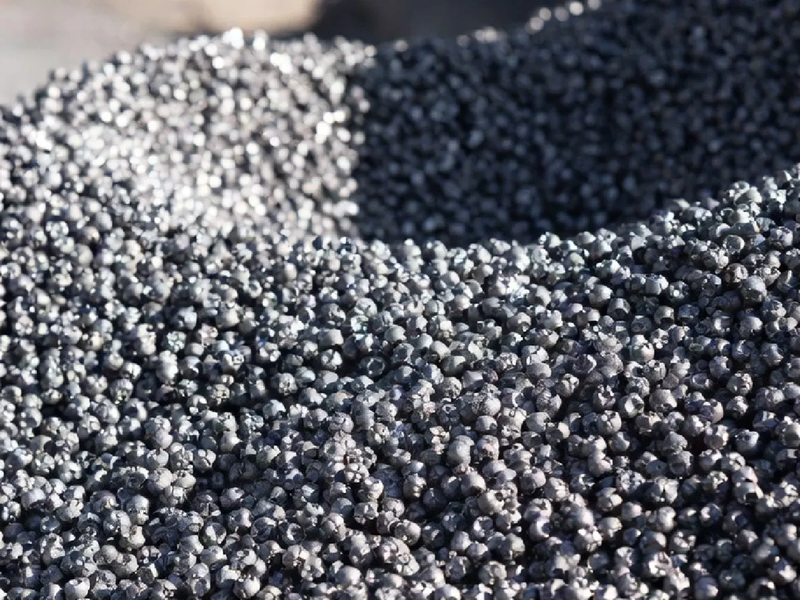
The sharp rise in sponge iron prices had a cascading effect, particularly on the price of billets, consequently influencing the base price of rebar and stimulating demand for long-term sales. On the other hand, the government's move to control currency prices via the issuance of high-interest deposit bonds initially caused a decline in the stock market. However, the full ramifications of this intervention are yet to be realized. Notably, the USD-to-Toman exchange rate, which had peaked at 60 Tomans, experienced a slight regression to 58 Tomans, with speculation suggesting a potential further decline barring unforeseen political disruptions.
Forecast and Analysis:
The prevailing conditions in the sponge iron market are expected to exacerbate due to recent weather patterns, including rains and cold spells, which are likely to impede billet production and subsequently drive prices upward. Building on the price surge of billets witnessed in the previous week, it is anticipated that the base price of rebar will follow suit in the stock market. However, the reaction of demand to these price fluctuations remains uncertain.
Furthermore, the price of sheet metal registered an increase attributed to diminished supply of Mubarakeh Steel. Nevertheless, a decline in demand over the weekend led to a relative price drop in certain dimensions. Projections indicate a potential improvement in Mubarakeh Steel supply in the upcoming week, which could consequently stabilize or reduce prices.
Barring unforeseen developments, the market conditions for the upcoming week suggest a potential for price stability. The market remains susceptible to various internal and external factors, including economic policies, weather conditions, and geopolitical tensions.
In conclusion, the market outlook for the remaining weeks of the year reflects a delicate balance between supply dynamics, demand trends, and external factors such as currency fluctuations. While warmer weather and increased production may lead to price reductions, the impending decrease in billet demand and holiday-related slowdowns pose potential challenges. The extent to which these factors influence market behavior will depend on various variables, including currency movements and global economic conditions.
Iraqi Government Mulls Budget Increase for 2024, Boosting Steel Sector Prospects
As the Iraqi government explores the possibility of expanding the national budget for 2024, steel suppliers are eyeing potential increases in demand amid plans to kickstart delayed projects. The allocation of additional funds aims to propel the execution of projects that were postponed, offering a promising outlook for the steel industry. However, a critical question looms over whether domestic or foreign steel sellers stand to reap greater profits from this development.
With approximately 60 percent of projects receiving funding in the previous year, the pending budget allocations for 2024 hold significant implications for project progression. While some Iraqi rebar suppliers await official updates on the budget deliberations, others remain optimistic about the anticipated surge in steel demand. Nonetheless, concerns linger regarding the capacity of domestic factories to fully capitalize on this burgeoning business landscape.
Challenges such as a scarcity of scrap materials and the operational complexities associated with utilizing sponge iron during winter months pose hurdles for Iraqi steel producers. Amidst constraints forcing Iraqi factories to scale back production, the competitive advantage of importers, particularly Iranian counterparts, becomes increasingly pronounced in ongoing construction ventures.
In the Baghdad market, recent price fluctuations underscore the evolving dynamics within the steel sector. Rebar prices stood at $500 exw per ton in the latest assessment, marking a slight decrease from the previous week's rate of $525 exw per ton.





Comments
No comment yet.