


Japan
Mitsubishi Chemical, Asahi Kasei and others are considering demand for better performance as Japanese companies increase purchases of materials needed to produce electric vehicles. The supply chain for new technology to fuel production is increasing in importance. Japanese scrap and iron ore prices remained stable. While ore was around 117 USD, scrap reached 337 USD in the weekly trend, where it was at 335 USD.
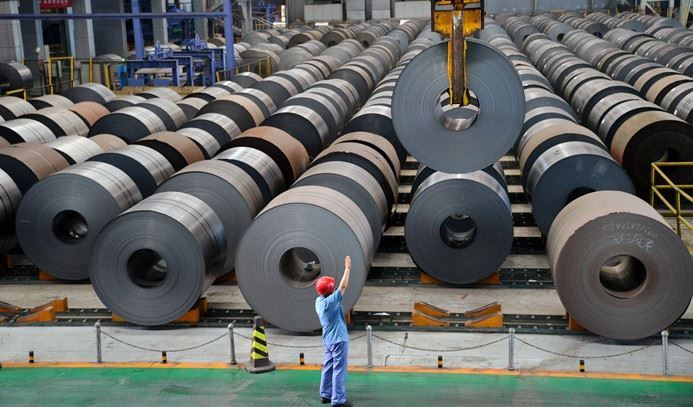
The first 2 mm SAE1006 grade HRC offer from Japan for January shipment was announced at $595/ton CFR Jebel Ali, and it was stated that the price could be negotiated for bulk purchases.
South Korea
The price of rebar in the Korean market increased from 638 USD at the beginning of the month to 646 USD, while scrap also increased to 340 USD. The scrap price is around 340 USD. After ups and downs, this figure was approximately at the same level at the end of September, and reached the same point again, last month's figures.
Vietnam
Because Vietnam's GDP growth in the third quarter also increased to 5.33%. Steel trade trends continue to develop in opposite directions, with exports declining and imports increasing. While the scrap price has maintained its horizontal course in Vietnam for a week at 386 USD, the same situation seems to be valid for rebar at 559 USD.
Hoa Phat is Vietnam's steel industry leader with more than seven blast furnace steel mills. It has an annual crude steel capacity of 8.5 million tons and is at the forefront in the construction steel segment of the market. There is an expectation of positive changes in the market regarding exports, as well as the company's recovery in the hot rolled coil segment in the last second quarter, especially in key markets including Europe and the ASEAN region. Therefore, Hoa Phat's business prospects are also seen as a hope for many other Vietnamese steel companies. According to experts, a recovery will be achieved towards the end of the year (in the third and fourth quarters), and positive developments are expected for the Vietnamese steel industry due to falling domestic steel prices and increased export demand, projects and government support.
Bangladesh
Bangladesh, the leader in the commercial shipbreaking industry, accounts for one-third of the sector's volume globally. However, last year's 8.02 million tons of capacity work in Bangladesh decreased to 2.8 million tons in 12 months until January 2023. Reasons such as the dollar crisis and the approaching completion of large projects are the reasons for the decline in basic production. Imported scrap is not preferred due to economic difficulties. In Bangladesh, which leads the way in dismantling, which constitutes the main source of rebar, per capita steel consumption decreased from 45 kg to 43 kg. While this figure is 645 kg for China, it is 81 kg for India.
The carbon tax regime on the agenda in the EU also negatively affects Indian steel producers. The new reporting rule, which is planned to be implemented as governments seek assistance from the World Trade Organization (WTO), poses a hurdle for all Asian exporters.
Indonesia
Iron ore in Indonesia continues to hover around 117 to 118 USD. This price, which was at the same level a month ago, was at its highest level in the meantime, only reaching 122 USD. At the end of August, it was recorded as 108 USD.
It is worth noting that the Far East entered October with general stagnation. Because ASEAN countries, namely the Association of Southeast Asian Nations, including Brunei, Burma, Cambodia, Indonesia, Laos, Malaysia, Philippines, Singapore, Thailand and Vietnam, were at a standstill due to the holiday. The Chinese holiday, which is the first seven days of October, stabilized the figures and suspended commercial movements in most countries in this union. The holiday ended last Monday.
Thailand
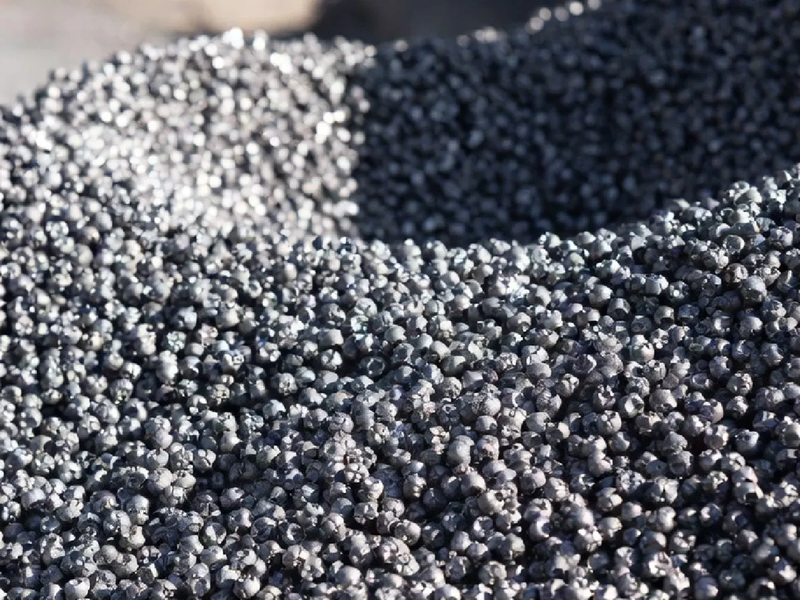
Meranti Steel has signed an agreement with Glencore to supply iron ore pellets and iron scrap to its electric arc furnace project in Thailand. The partnership is a project that will promote the decarbonization of the steel industry, the company said. The agreement includes the supply of high-quality iron ore pellets and first-class iron-based scrap metal. On the other hand, the President of EAF Long Product Steel Producers Association stated that they expect this year's steel demand in Thailand to be around 16 million tons, similar to last year.
The newly established Thai government was in favor of controlling foreign steel entry. It is expected that restrictive measures will be taken for cheap steel to enter the Thai market at the end of this month, following the trial activities for the EU Carbon Border Adjustment Mechanism (CBAM).




Comments
No comment yet.