


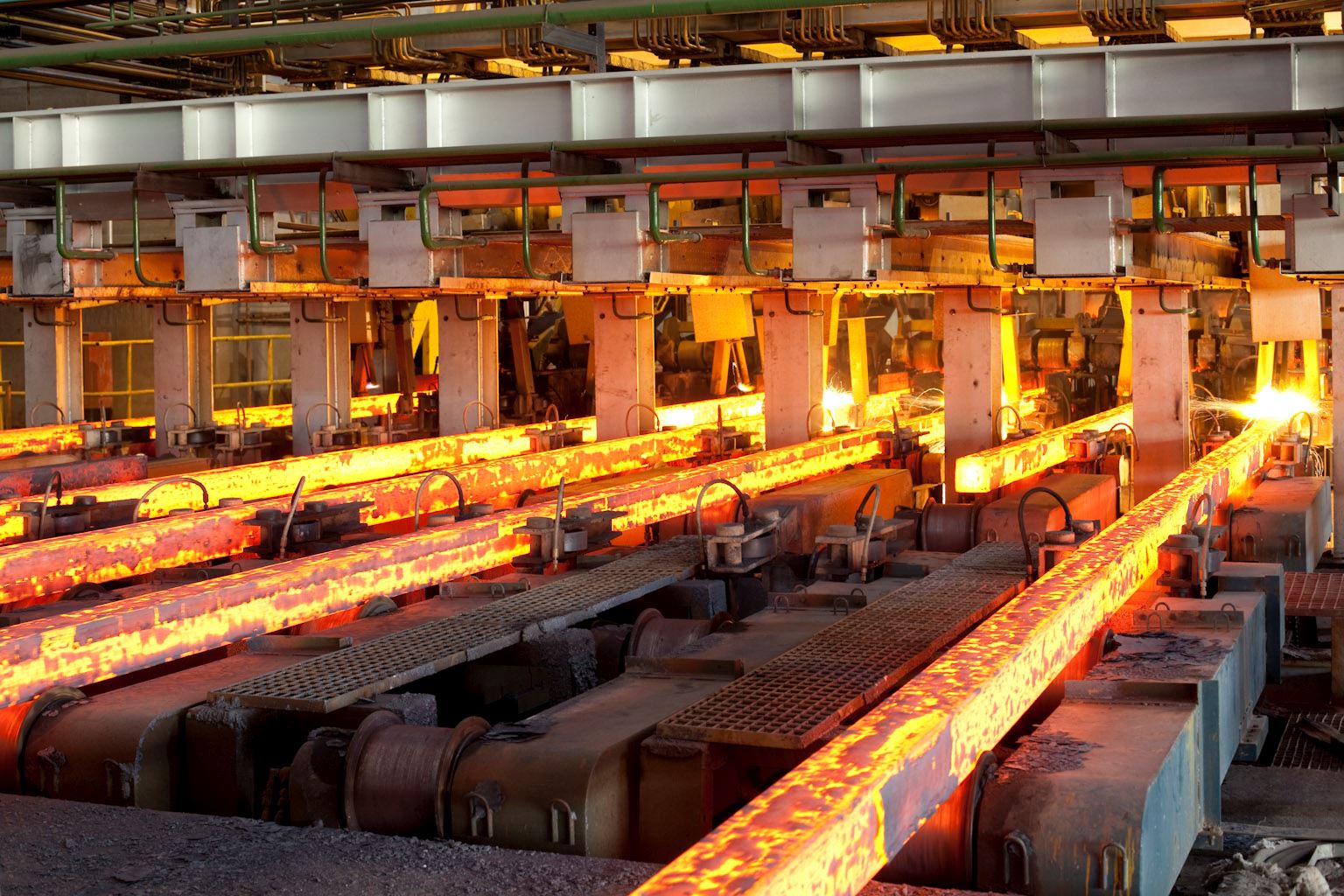
Recent developments in the Iranian steel market underscore the intricate interplay between export prices, currency policies, and market dynamics. Against a backdrop of fluctuating global demand and geopolitical tensions, Iranian steel exporters navigate a complex landscape marked by shifting price trends and regulatory imperatives.
The pricing dynamics of key steel products such as billets, rebar, and slabs reflect both domestic factors and external market conditions. This week, the FOB prices of Iranian export steel billets hovered within a narrow range of $475 to $485 per ton.
In contrast, the Ex-works price of Iranian export rebar experienced a modest uptick, rising by 2.13% to reach $465 to $470 per ton and maintaining this level consistently over the course of several weeks. This increase can be attributed, in part, to the recent decision by the currency return committee, mandating exporters to allocate 100% of their export revenues through the NIMA system.
This regulatory measure has prompted some traders to exit the rebar export sector, leading to a tightening of supply and subsequent price adjustments. Moreover, the widening gap between free and official exchange rates has further accentuated pricing pressures, compelling rolling mills to adjust export rebar prices in response to domestic market dynamics.
Despite these fluctuations, the price of Iranian export slab remained unchanged this week, holding steady at $470 to $475 per ton. This stability suggests a balanced supply-demand dynamic in the global market for slabs, with Iranian exporters maintaining competitive pricing amidst prevailing market conditions.





Comments
No comment yet.