


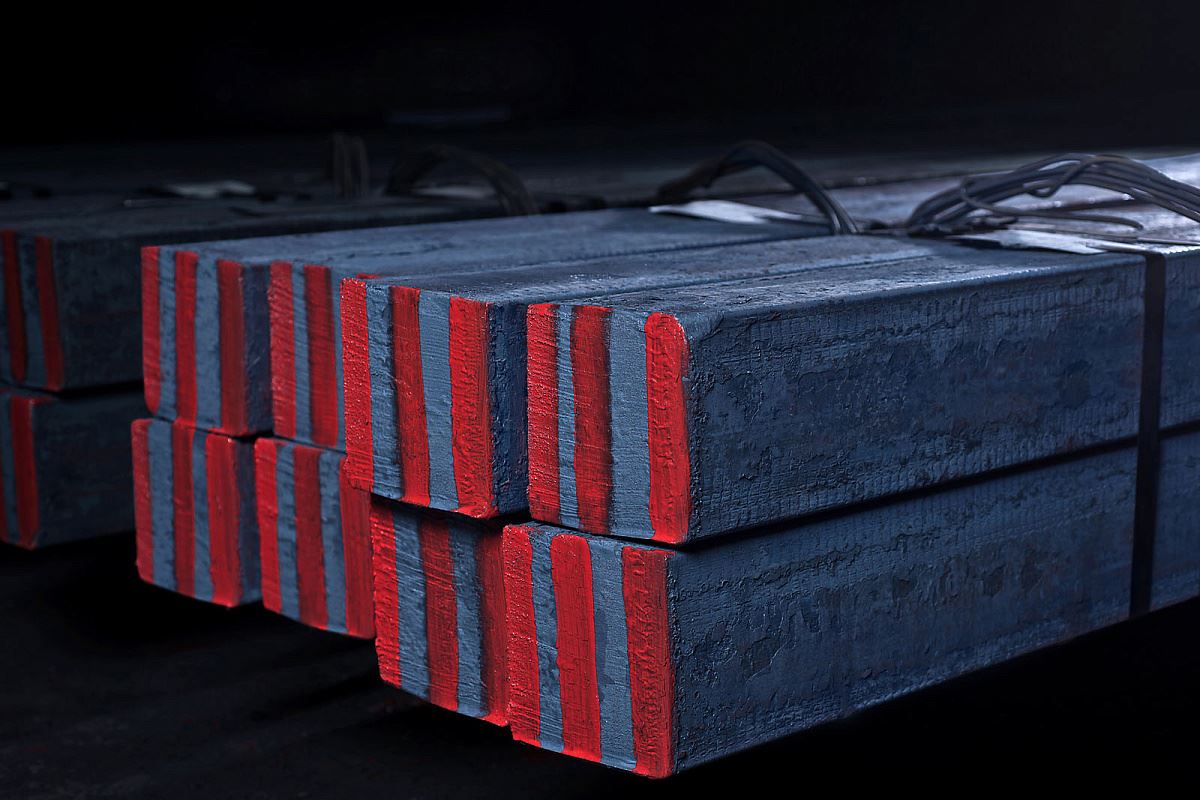
In a recent development, Iran’s steel export sector has witnessed stability in prices following discussions last week. While negotiations for larger tonnages continue, the latest contracts have set a firm ground for the industry.
Price Fixation and Ongoing Negotiations:
The prices discussed in previous weeks have now been solidified in recent contracts, providing clarity for both buyers and sellers.
Despite the ongoing negotiations for larger shipments, the market has found stability, allowing for more informed decisions.
Billet and slab Export Sector Highlights:
This week, Iran’s billet export sector has seen significant activity, with key players finalizing deals. According to the latest contracts, the price for billet exports has reached approximately $470 per ton FOB for late May shipping. Notably, this figure represents a departure from last week’s assessments, which were primarily speculative.
Sirjan Jahan Steel Company successfully sold 15,000 tons of billet at a competitive price of $469 per ton FOB. Chadormalu Mining and Industrial Company, another major player, traded a substantial 30,000 tons of intermediate steel. Their negotiated price stood at $470 per ton FOB, signaling a positive trend in the industry.
The export slab price index of Iran experienced a decline of 2.7% this week, reaching $460 per ton. This decrease reflects ongoing market and global trends affecting slab prices.
In a recent conversation, Senior Analyst of Steel & Iron Ore International Markets, Keyvan Jafari Tehrani, said "The focus was on China’s steel production and its implications for global markets, particularly Iran. China has deviated from its initial plans by ramping up steel exports over the past two months. This unexpected increase comes despite earlier predictions that China would reduce its exports this year.
The driving forces behind this shift lie in unfavorable construction and economic conditions. These challenges have compelled China to adjust its export strategy, resulting in a surge in steel shipments to international markets. The impact of this trend extends beyond China’s borders, affecting economies and industries worldwide.
For Iran, a country closely monitoring global steel , China’s export patterns hold significant importance. The unexpected rise in Chinese steel exports may disrupt existing market and necessitate strategic adjustments for Iranian stakeholders.
However, he noted a potential shift in the third and fourth quarters as China's economic situation improves, leading to increased domestic steel consumption and a subsequent decrease in exports. while competition with Chinese steel is tough, there might be opportunities for Iran's intermediate steel exports if China reduces its exports. However, exporting finished products to Southeast Asian countries remains challenging due to import duties imposed by these nations".





Comments
No comment yet.