


This initiative is seen as a strategic move to address high energy prices and ensure a stable energy supply for domestic and industrial consumers. The feasibility study conducted by Barapukuria Coal Mining Company Limited indicates that the mine holds a reserve of 706 million tonnes of coal. However, coal extraction from Dighipara is expected to take around eight years to begin.
Currently, coal extraction in Bangladesh is limited to the central part of the Barapukuria coal mine. With declining fuel supply and diminishing gas reserves, experts suggest that tapping into new coal mines is essential. It is estimated that the country requires 3.6 million tonnes of coal annually for its power plants.
The capital expenditure for coal extraction from the Dighipara mine is projected to be $1.644 billion, with an additional operating cost of $53 per tonne. Financing options include developer-cum-operator investment, joint ventures, or government funding.
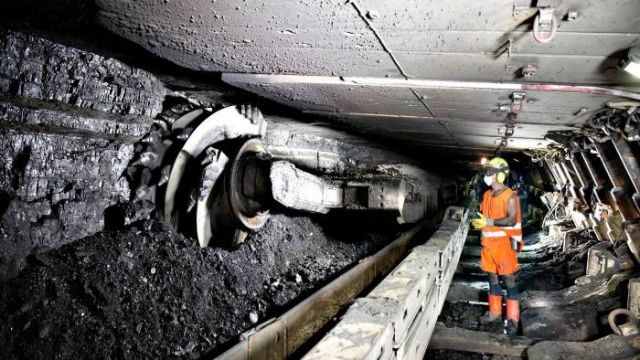
The proposed extraction method for the Dighipara coal mine is the longwall top coal mining method, recommended by UK-based consulting firm DMT Consulting Limited. This approach involves tunnelling underground and systematically extracting coal layers to minimize environmental impact.
However, coal extraction from Dighipara is expected to necessitate the acquisition of agricultural land and the relocation of local residents. To mitigate environmental concerns, an environmental impact assessment and environmental management plan have been conducted.
Overall, the government's plan to extract coal from the Dighipara mine and explore other coal reserves is aimed at securing the country's energy needs and reducing reliance on imports.



Comments
No comment yet.