


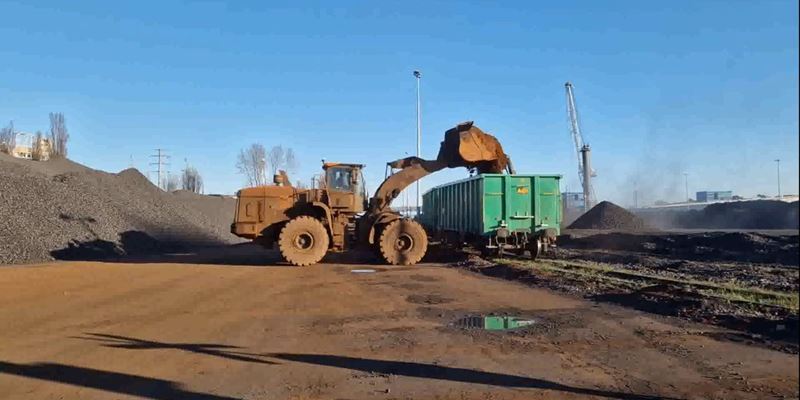
Approximately 3,000 tonnes of iron ore were transported on a train consisting of around 50 wagons, with the operation reported to have been completed smoothly. The shipment was described as a significant milestone in the supply of raw materials that are critical to the plant’s production processes.
The company emphasized that iron ore is a key input in the blast furnace production process, noting that without it, the production of pig iron at Poland’s last two operating blast furnaces would not be possible. Ensuring the continuity of the raw material supply chain is therefore vital to the operations of the Dąbrowa Górnicza plant.
ArcelorMittal Poland’s raw materials logistics and rail services procurement teams implemented improvements to logistics processes to increase the amount of ore transported from a storage facility. As a result, the volume of ore carried in a single shipment was increased by approximately 40% compared to previous levels. The development offers several advantages, including higher transport capacity with fewer train movements, lower costs, and reduced environmental impact.
The company stated that the achievement was made possible through close cooperation with partners in port transportation and rail logistics. A special train set with technical specifications exceeding standard parameters was prepared for the operation.
Witold Hickiewicz, Logistics Project Manager at ArcelorMittal Poland, said the train consisted of 49 wagons. By using shorter wagons, the company was able to increase the number of wagons without exceeding the maximum permitted train length. This allowed an average load of 64 tonnes of ore per wagon, resulting in a total cargo volume of more than 3,000 tonnes. According to Hickiewicz, this is around 40% higher than the 2,200–2,300 tonnes typically transported by standard trains.
Przemysław Smoła, Head of the Raw Materials Logistics Department, said the new storage configuration enables larger volumes of raw materials to be transported with the same number of logistics operations. He noted that the solution provides significant benefits in terms of cost optimization, more efficient use of infrastructure, and improved supply stability. Smoła also stated that the entire process, including unloading the ore, proceeded without issues and that the solution proved operationally safe.
Meanwhile, new transportation tests for the Dąbrowa Górnicza plant were launched in May. These included iron ore shipments from the Medyka transshipment terminal on the Polish-Ukrainian border, as well as limestone deliveries from the Sitkówka-Nowiny and Małogoszcz stations.
Iron ore trains departing from the Medyka terminal achieved an average carrying capacity of 2,900 tonnes, representing an increase of more than 25% compared to previous shipments. Limestone transportation delivered even stronger results, reaching an average of 3,045 tonnes per train, more than 32% above the capacity of standard train operations.
The company stated that the increase in cargo capacity will improve the efficiency of the entire supply chain, reduce the number of trains arriving at the Dąbrowa Górnicza facility, and bring significant improvements to operational processes.




Comments
No comment yet.