


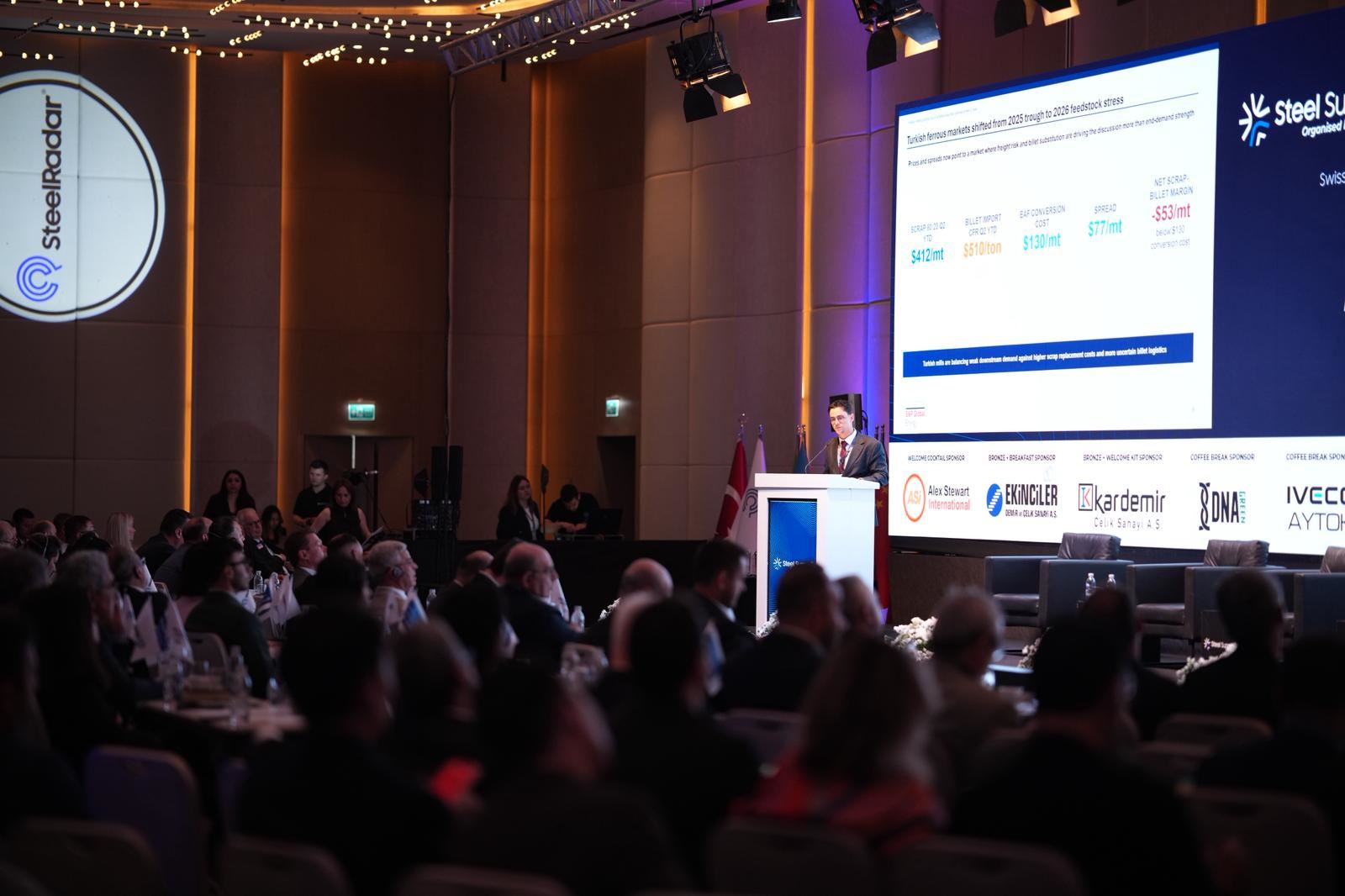
As part of the summit organized by SteelRadar in Çeşme, İzmir, the rapidly transforming steel raw materials marke shaped by global trade policies, carbon regulations and energy dynamics was brought under close scrutiny.
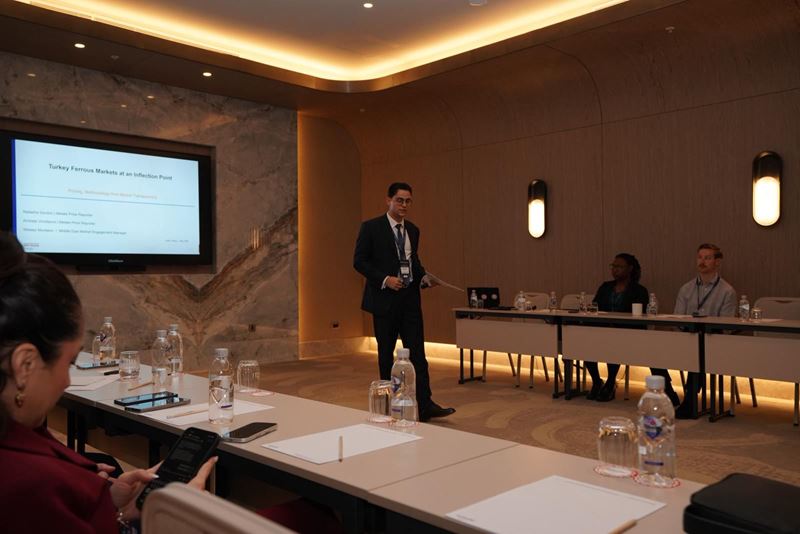
The session titled “Scrap, Billet and DRI in the Global Raw Materials Axis” was opened by S&P Global Energy Middle East Director Wesley Monteiro. Within the scope of the summit, Monteiro also contributed to the workshop titled “Turkish Iron and Steel Markets at a Turning Point: Pricing, Methodology and Market Transparency,” where he provided assessments on pricing methodologies and market transparency.
“Net Margins Have Remained Negative Since Early 2025”
Presenting value-chain price movements through charts, Monteiro emphasized that the pace of increase in billet prices has lagged behind rising raw material costs. He noted that this imbalance has placed significant pressure on producer margins.
“When we factor in spreads and costs, we see that net margins are negative. This situation not only applies to this year, but has been evident since the beginning of 2025 due to logistics disruptions and several other factors preventing market equilibrium. The data shows that net margins remained negative in the relevant quarters of 2025 and that this negative trend continues into 2026,” he stated.
“Ship Traffic in the Red Sea Has Declined by 95%”
Highlighting that energy costs and geopolitical crises are the main drivers behind market transformation and sharp price movements in the second half of the year, Monteiro presented striking logistics data.
Comparing pre- and post-crisis maritime activity, he noted:
“Before the blockade in the Red Sea and Suez region, we were tracking an average of 140 vessel transits. Following the outbreak of conflict and war in the region, this number dropped to around 10. This represents a reduction of up to 95% in transit traffic. While there have been significant disruptions in energy flows from the United States—the world’s largest energy exporter—there has still been a 5% increase linked to power generation dynamics. Due to this crisis scenario, electricity prices continue to rise in many regions of the world, particularly in Europe. Scrap prices, however, have followed a relatively milder upward trend compared to these developments.”
“The Largest Price Gap in Recent Years Seen in Q2 2026”
Urging stakeholders to incorporate global risks into procurement and purchasing decisions, Monteiro highlighted structural issues in market pricing mechanisms.
Noting that they closely monitor short-term general contract prices and discount pass-through effects, he stated:
“There is very clear pressure on prices. Under normal conditions, the price differential should be higher. According to the data, the largest price spread and divergence is observed in the second quarter of 2026. This represents the widest gap seen in the past 4–5 years. Prices continue to rise in both the upstream and midstream segments of the value chain. Ultimately, the only determining factor for the market is price.”
Monteiro concluded by emphasizing that data-driven analysis and accurate pricing are essential for navigating crisis periods, and thanked the SteelRadar team for bringing the global steel industry together through the event.




Comments
No comment yet.