


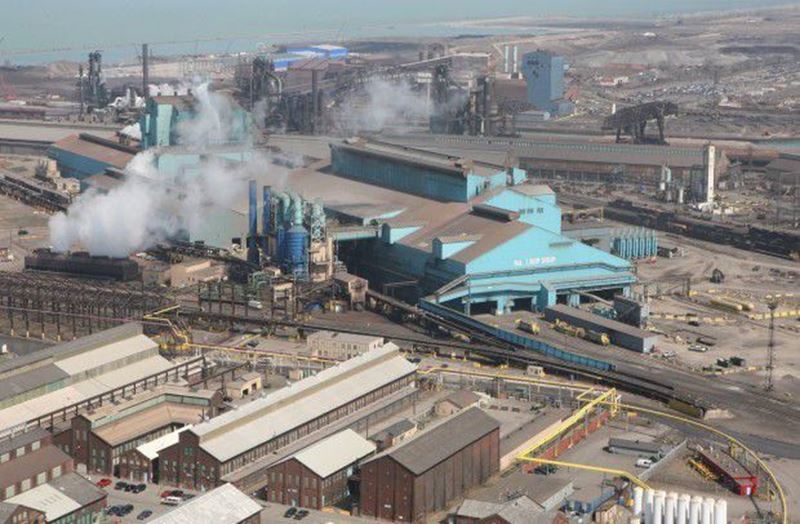
With this move, the company aims to increase domestic tinplate production and strengthen the supply of U.S.-sourced products to its customers.
In a statement from the company, it was noted that the restart plan is based on growing customer demand for long-term domestic supply, and the company emphasized its confidence that demand can be met through domestic production in the U.S. provided that favorable market conditions are met. This step is expected to contribute to the creation of a more balanced domestic supply structure and increase customers’ access to tinplate products manufactured in the U.S.
David B. Burritt noted that customers are increasingly focusing on reliable and long-term domestic supply, stating that the reactivation of the Gary Tin Mill will help meet this demand. Burritt also emphasized that, provided fair trade conditions are met, this move will strengthen critical supply chains in the U.S. and contribute particularly to sectors such as agriculture and food production.
Meanwhile, on April 9, the company, together with the United Steelworkers, filed an application for anti-dumping duties on tin- and chrome-coated sheet products imported from China, Taiwan, and Türkiye. Additionally, a petition for countervailing duties was filed against subsidized products imported from China.
According to the plan, the Gary Tin Mill is expected to resume production in early 2027 following the completion of maintenance work, material procurement, and the preparation of the workforce. It was stated that comprehensive preparations will be carried out to ensure safe and sustainable operations during the restart process.
The company estimates that the restart costs will be approximately $15–20 million, noting that the majority of these expenses will be allocated to maintenance, equipment inspections, and pre-production preparations. This initiative is expected to support approximately 225 jobs at the Gary Works facility.
It was reported that the products to be manufactured at the Gary Tin Mill will be used primarily in food and beverage packaging, as well as in aerosol cans, oil filtration systems, and other critical industrial applications.







Comments
No comment yet.