


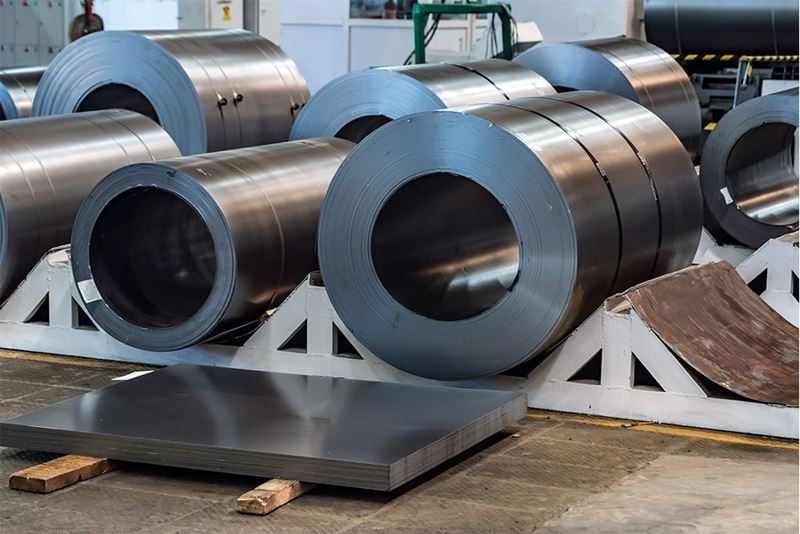
UNESID stated that the political agreement reached between the European Parliament and the Council of the European Union prevents a critical gap ahead of the expiry of the current safeguard measures on 30 June, and that the new regulation will enter into force on 1 July 2026.
The association said the new framework strengthens protection of the European steel market while maintaining market openness through a revised tariff-rate quota (TRQ) system. Under the new arrangement, total quota volumes will be reduced by approximately 47% compared to 2024 levels, down to 18.3 million tonnes annually, while out-of-quota imports will be subject to a 50% tariff.
It was also noted that unused quotas will be transferable between quarters within the first year; however, UNESID assessed that this provision would have a limited impact.
UNESID Director General Carola Hermoso said the agreement provides critical protection for the European steel sector at a time of severe overcapacity and rising import pressure, describing it as an important achievement for the industry.
The association stressed that the new mechanism should not be limited to the steel sector alone and should also be extended to downstream steel-consuming industries, in order to ensure protection of the entire value chain and support sustainable demand.
UNESID also highlighted the need for structural measures to improve the competitiveness of the steel industry, particularly by bringing energy costs to competitive levels and ensuring that climate policies support the sector’s sustainable transition.
In conclusion, the association emphasised the strategic importance of the steel sector for Spain and Europe, stating that future resilience requires a combination of trade defence measures alongside policies that support competitiveness and investment.




Comments
No comment yet.