


In the Turkish steel market, weakening demand for both domestic and imported products has led to a downward trend in prices. This decline in demand, together with the decreases in imported scrap prices, is putting pressure on prices.
Industry officials attribute the decline in demand to seasonal effects and difficulties in accepting higher prices. In addition, the fiscal reforms implemented by the government have also put additional pressure on the sector. Market activity came to a standstill in mid-December following the price hikes last week.
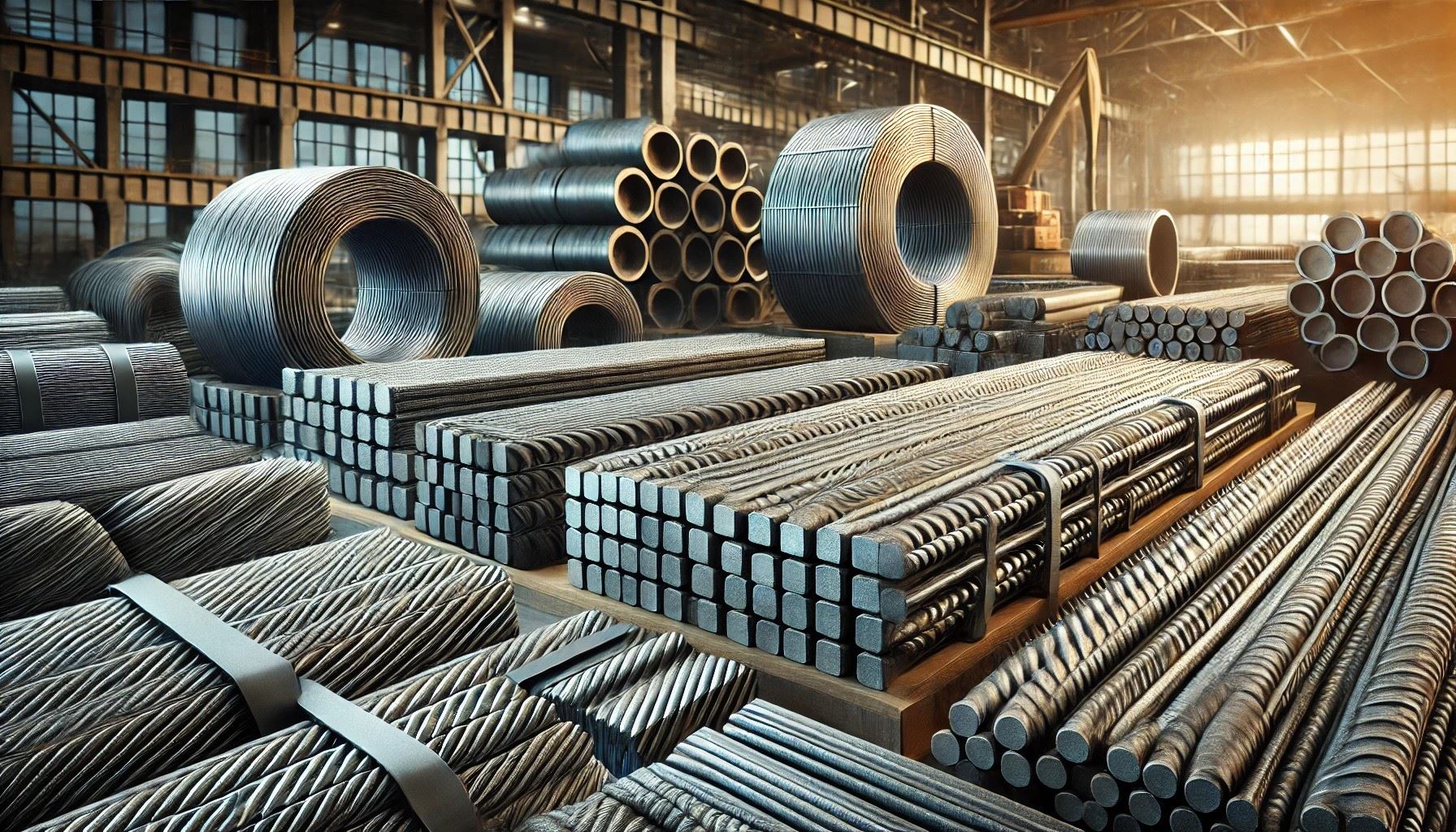
Rebar prices in the domestic market are generally in the range of $565-585/ton, with regional variations. In Izmir, prices have decreased to $565/ton, while ex-mill prices in the Marmara Region are observed at $585/ton. While İçdaş has kept its official dollar-based price constant at $580/ton, buyers can buy at $575/ton.
The export market, on the other hand, is stagnant. According to SteelRadar data, exported rebar prices from Türkiye are trading at $570-575/ton on FOB basis. However, weak demand at home and abroad is slowing down market activity.
In the billet market, similarly weak demand is keeping prices under pressure. Billet from Russia is trading at $440-445/ton on FOB Black Sea basis. The latest workable level for Türkiye is $460/ton CFR. In the domestic market, ex-mill prices in Iskenderun are around $530/ton, while prices in the Marmara Region are hovering around $515-520/ton.
Wire rod prices, on the other hand, have remained stable due to weak demand, with workable wire rod prices trading at $570-590/ton.
These developments in Türkiye's long product market present a challenging outlook for both producers and traders. Weakening demand is slowing down market activity, while economic uncertainties are making it difficult for industry players to see ahead. Demand and economic indicators are expected to improve for the market to recover.






Comments
No comment yet.