


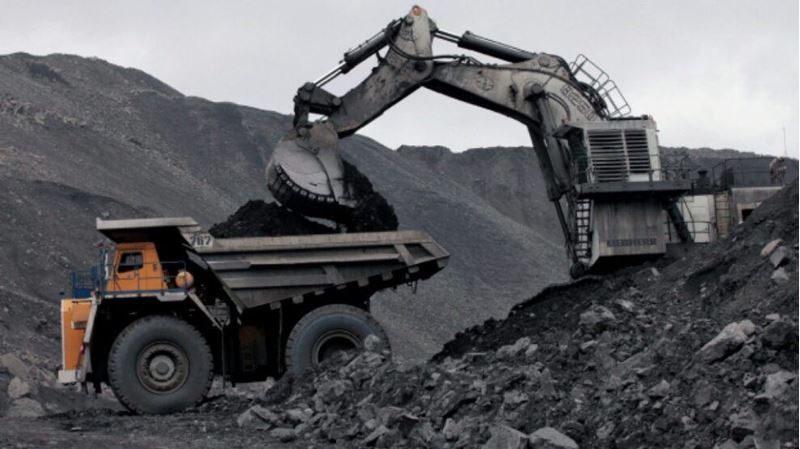
According to data from the General Statistics Office of Vietnam (GSO), coal production in February dropped by 21.23% compared to the previous year and by 24.9% compared to the previous month, reaching 3.03 million tons. The total coal production in the first two months of the year also decreased by 0.4% compared to the same period last year, totaling 7.05 million tons.
Based on forecasts, Vietnam's coal production will continue to decline in March, reaching 4.37 million tons, representing a yearly decrease of 5.13% and a monthly decrease of 44.34%. The total production for January-March is expected to be 11.42 million tons, down by 2.26% compared to the previous year.
Most of the coal produced in Vietnam is used for the production of electricity, cement production and other industrial purposes.
Despite the decrease in domestic coal production, Vietnam has significantly increased its coal and emissions imports in 2024, and almost doubled its thermal coal imports compared to the same period in 2023. This surge in imports has contributed to the rise in coal-related electricity emissions.
In early 2024, Vietnam's coal-fired electricity emissions reached a peak. For 2023, emissions are estimated to reach a record 110 million tonnes, compared to 90 million tonnes in 2022. If the current trend of emission increases continues throughout the year, total emissions are expected to surpass 130 million tons.
Vietnam's increase in coal imports and emissions contradict global efforts to move away from fossil fuels and reduce pollution. At a time when the world is striving to transition to cleaner energy sources, Vietnam's divergent views are a cause for concern.







Comments
No comment yet.