


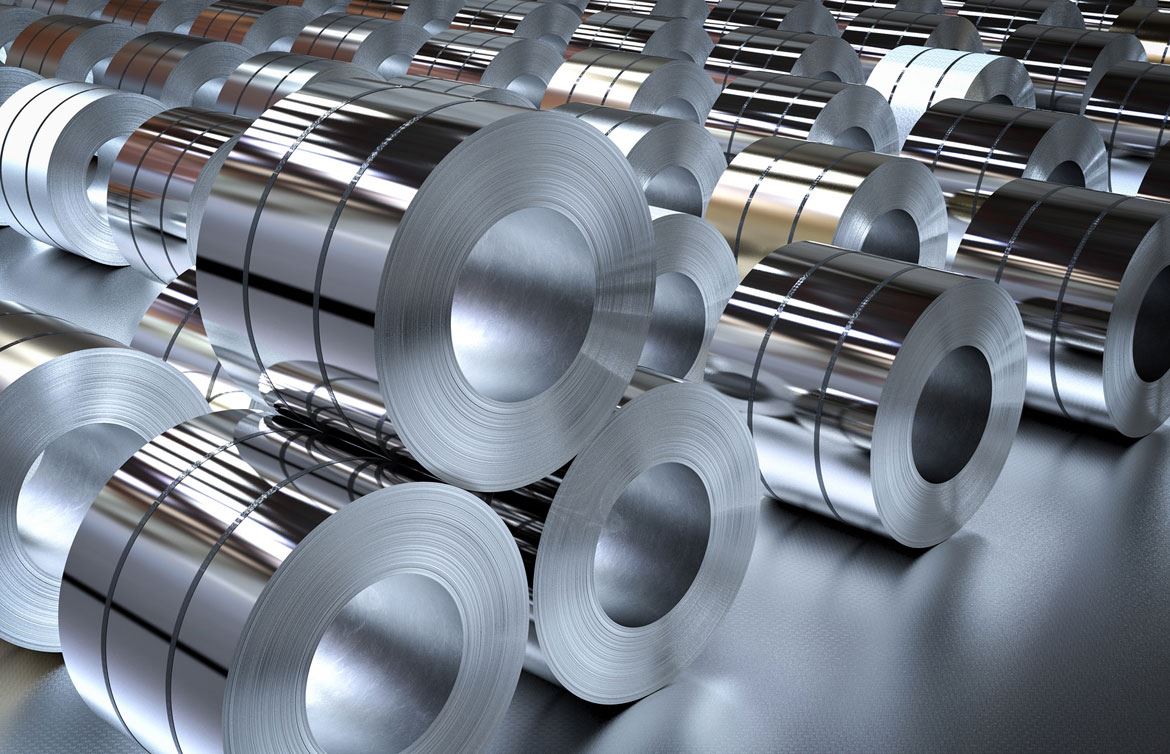
The trade deficit in Italy has tripled since 2010. Problems experienced by Ilva, one of Italy's largest steel producers, affect the entire supply chain. However, the demand for electrical steel is growing stronger day by day.
Italy's flat rolled products trade deficit increased from 2.8 million tons (2010) to about 7.2 million tons (2022) over the past twelve years. 85% (6.2 million tons) of these figures are made up of coils. One of the biggest reasons for this situation is that Ilva had to reduce production due to environmental awareness.
For tapes, tin and chrome plates and magnetic laminations, 1.2 million tons of production capacity should be reached in order to establish a trade balance, while this figure remains at minimum levels, remaining around 300.00 tons. The production of products such as hot rolled coil, large flat plate, galvanized coil and organic coated sheets allows only the demands of the Italian domestic market to be met and exported.
Demand for flat products will remain stagnant for a few more months. It will become clear in the second half of the year whether the costs in the final prices will be reversed and whether it will be possible to make room for the necessary investments for decarbonization.
At the international level, coil prices continue to increase. HRC prices across Europe should be around 700 Euros against energy costs and emissions quotas. For Italy, this situation approached 600 Euros in the last months of 2022. Although there has been a recovery in prices since then, it remains unclear how long this rise will continue as prices still continue to rise.
In addition to these, there is a serious increase in the demands for electrical steel in order to prevent the stagnation of the market from breaking. It is said that with the expansion of the electrical product range, the production of electrical steel will revitalize the markets and will be the product of the future.





Comments
No comment yet.