


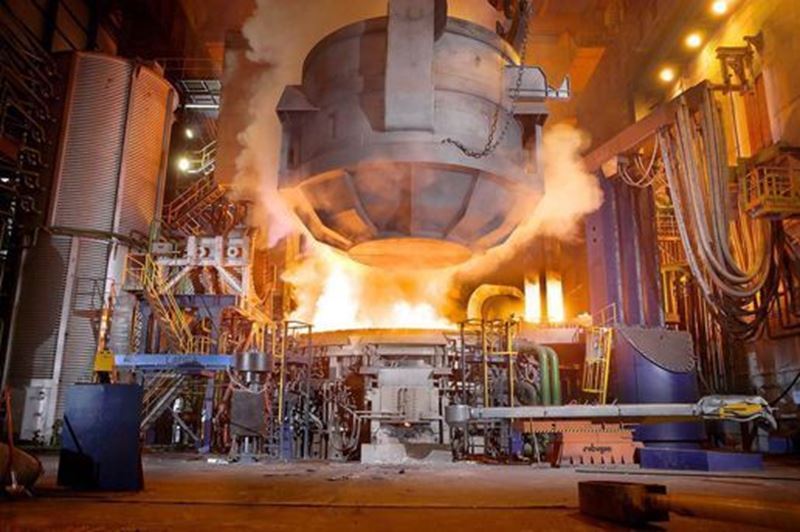
Industry representatives shared the view that the gradual increase in carbon costs across the supply chain will raise compliance costs for Chinese exporters.
It is noted that Chinese steel producers have made coordinated changes to their export strategies, pricing models, and compliance systems in response to the EU’s full implementation of CBAM this year. The mechanism imposes additional costs on imported goods based on their carbon emissions.
Jiang Wei, Vice Chairman and Secretary General of the China Iron and Steel Association, stated in an online meeting that China’s indirect steel exports to the EU account for a significant volume, and a large portion of this consists of high value-added products. Jiang said that with the expansion of CBAM’s scope, its impact across the industrial chain will further increase.
It was reported that more than 100 steel producers and representatives from different stages of the supply chain attended the meeting, with issues such as the definition of emission factors, verification processes, testing methods, and data security coming to the forefront.
The European Union launched CBAM in 2023, requiring importers to pay the carbon price difference between the countries where products are produced and the EU. The mechanism is planned to be expanded in the future to cover not only raw materials but also final products such as machinery, vehicles, and household appliances.
China is the world’s largest steel producer, while exporters face rising costs due to carbon taxes and stricter carbon footprint reporting requirements. Sector experts note that the spread of carbon costs across the supply chain will create additional compliance pressure on Chinese exporters.
Chinese authorities are also carrying out efforts to mitigate the impact through technical cooperation. Wang Tian, an official from the Climate Department of China’s Ministry of Ecology and Environment, stated that CBAM is a tool developed by the EU within the framework of competition and trade policy, and that its rules are updated over time.
Wang also said that various rounds of talks have been held between China and the EU on issues such as emission factors, and that Beijing aims to have its local emission data recognized while improving the national greenhouse gas database to reduce compliance costs.



Comments
No comment yet.