


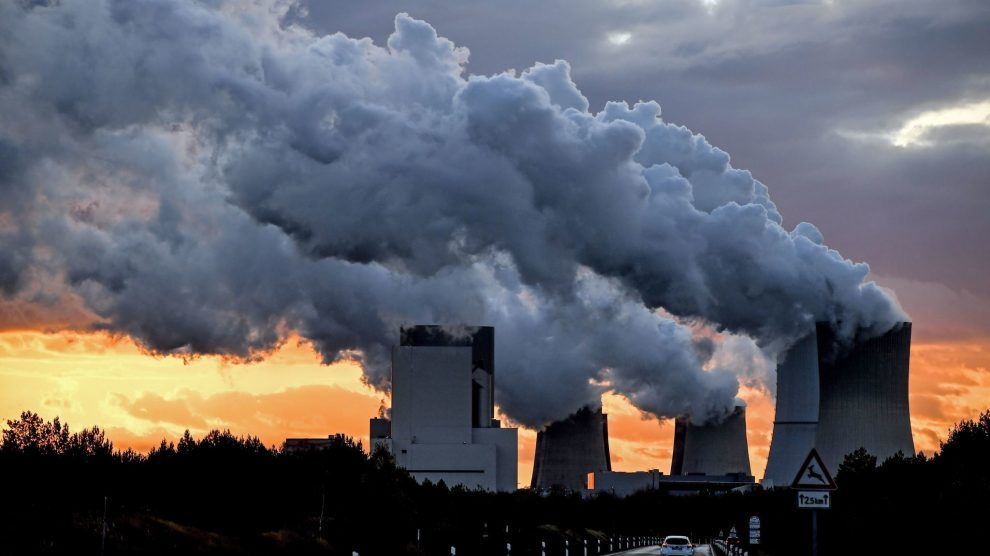
Criticism of the EU's carbon tax at the border comes from the USA, China and Africa. The union's trading partners blame the new practice, which was announced to begin on 1 October, as protectionism, and some countries are negotiating with Brussels to apply exemptions to their companies. A study by Berlin-based think tank Adelfi on export data in areas to be taxed under CBAM shows that Turkey, along with Russia, China, England and Norway, is one of the five countries that will be most affected by the CBAM implementation.
The 'border carbon' implementation, which the European Union plans to launch as of October 1, 2023, is facing objections from some African economies, as expected, as it would violate competition rules from the union's biggest trading partners, China and the USA. During the weekend, it is stated that in the negotiations that will ensure the finalization of the new mechanism in the EU, the countries that will be affected by the implementation hold talks with EU officials on the subject.
The Border Carbon Regulation Mechanism (CBAM) was targeting 6 sectors in its trial phase, which will begin on 1 October: iron, steel, cement, aluminum, fertilizer, electricity and hydrogen. In order to equalize the carbon price paid for goods imported from third countries such as Turkey, a difference will be taken from the products of companies that do not comply with the EU's climate standards, and in order to pay this difference, companies importing into the EU will have to purchase CBAM certificates.
Turkey is among the 5 most affected countries
A study by Berlin-based think tank Adelphi, which provides consultancy on climate, environment and development, shows that Turkey, along with Russia, China, England and Norway, is one of the five countries that will be most affected by the implementation of CBAM. According to Adelfi's study, 49.4 percent of exports, which will require additional carbon tax payment, are made from these five countries in the six sectors that the EU has agreed on in the first stage - iron, steel, cement, aluminum, fertilizer, electricity and hydrogen - within the scope of CBAM. According to the study conducted on the average annual exports to the 27-member EU in these sectors between 2015-2019, the economy that is expected to be most affected by the application by producing 16.7 percent of the products within the scope of Russia: Russia: 5.24 billion dollars iron & steel; $3.3 billion aluminum; $1.6 billion fertilizer; 450 million dollars of electricity. China produces 10.1% of the products in the scope: In 2015-2019, there is an annual average of 5.15 billion dollars of iron & steel exports to the EU and aluminum exports of close to 1.28 billion dollars. There is also a fertilizer export of 76 million dollars.




Comments
No comment yet.