13,744.64 TRY BIST 100 BIST 100
53.21 EUR EUR EUR
46.33 USD USD USD
6.89 CNY CNY CNY
0.13 CNY CNY/EUR CNY/EUR
43.69 TRY Interest Interest
93.67 USD Fossil Oil Fossil Oil
6.21 USD Copper Copper
94.66 USD Silver Silver
99.41 USD Iron Ore Iron Ore
400.00 USD Shipbreaking Scrap Shipbreaking Scrap
6,089.00 TRY Gold (gr) Gold (gr)
99.00 USD Iron Ore 61% Fe Iron Ore 61% Fe

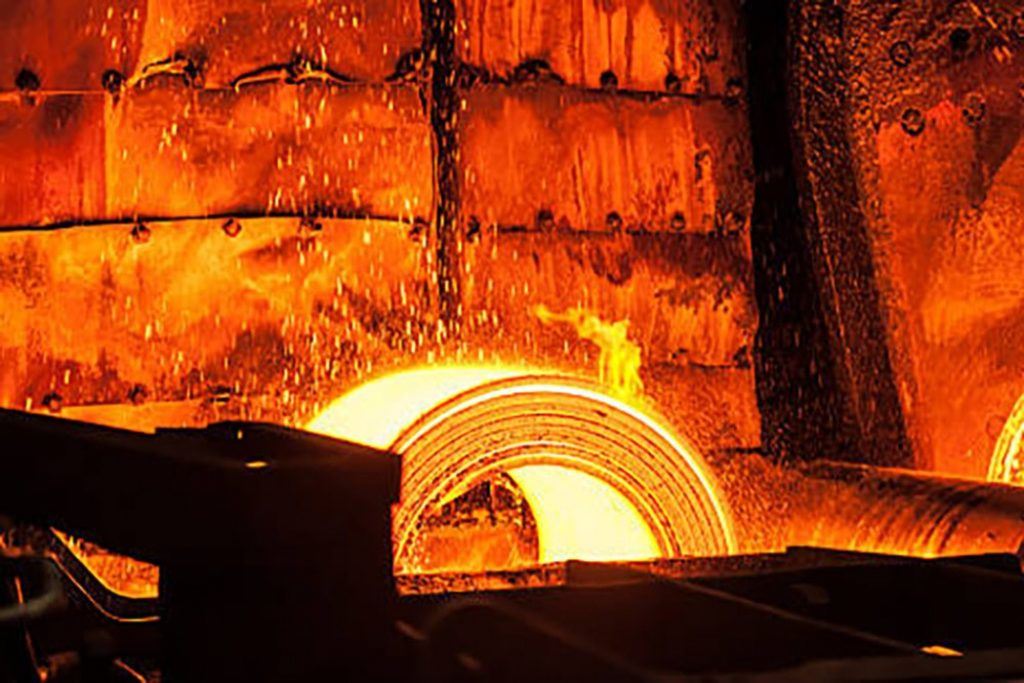
Middle East crude steel production fell 27.6% in April to 3.7 million tons

The Middle East steel sector continues to maintain its long-term growth potential through capacity investments and production targets, while remaining under pressure in the short term due to weak demand and regional logistics disruptions.

Middle East crude steel production fell 27.6% in April to 3.7 million tons

According to World Steel Association data, crude steel production in the Middle East fell by 27.6% year-on-year to 3.7 million tons in April 2026. In the January–April 2026 period, production also declined by 12.8% to 16 million tons. This decrease was driven mainly by regional logistical disruptions and production interruptions.

Despite this, capacity expansions in the region continue to attract attention. Total steel production capacity stood at 89 million tons in 2021 and increased to 96.2 million tons in 2025. In the long term, this growth is mainly supported by natural gas–based direct reduced iron (DRI) production. Iran and several other Middle Eastern countries hold a strategic position in global DRI output. According to current investment plans, regional capacity is expected to reach 110.3 million tons by 2028.

Hormuz Strait Impact and Price Pressure

Recent disruptions in the Strait of Hormuz have placed significant pressure on direct reduced iron (DRI) plants. According to market sources, some facilities saw production drop to minimal levels, while raw material supply and shipment processes experienced notable delays. These disruptions in DRI supply have caused bottlenecks across the overall production chain, negatively affecting regional flows.

Although the reopening of the Strait of Hormuz is considered a positive development for regional steel producers, market participants note that full normalization of logistics chains and production activities will take time. Meanwhile, weak regional demand and expectations of rising supply are adding further pressure on steel prices. Market sources indicate that the combination of supply-side recovery and subdued demand is likely to keep prices under pressure in the short term. 

Comments

No comment yet.

Only +plus subscribers can access this content.

SUBSCRIBE now to share your thoughts on the markets and get more comments.
SUBSCRIBE If you already have an account Sign In

Most read news

Turkish steel leader Erdemir celebrates 61 years of excellence

Friday, June 19, 2026

Carbon Management and Türkiye ETS discussed in steel sector

Friday, June 19, 2026

KARDEMİR signs a USD 2.25 million railway wheel export agreement with the Czech Republic

Friday, June 19, 2026

Liberty Galați steel complex tender concludes without bids, search for investors continues

Friday, June 19, 2026
Follow List
Expand
Your watch list is empty

Add your favorite commodities for quick access and don't miss the latest price change news.


There are no news categories you follow
Edit Notification Preferences
E-bulletin subscription
Sign up to receive the latest news and daily iron prices by e-mail and sms
Become a Plus Subscriber Now!
Try it free for 3 days!
Subscribe Now
Neutral Prices
Be informed
Provincial Iron Prices
Comments and Analysis
Subscribe Now