


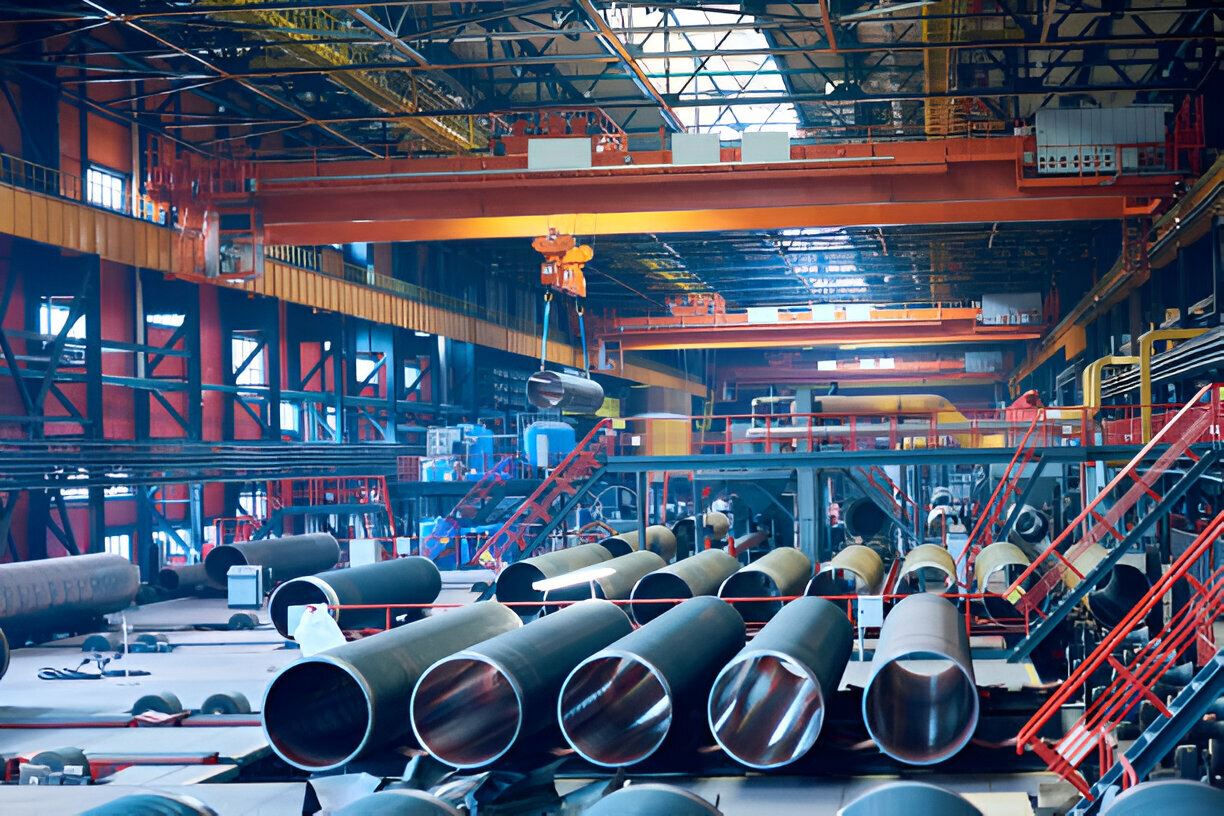
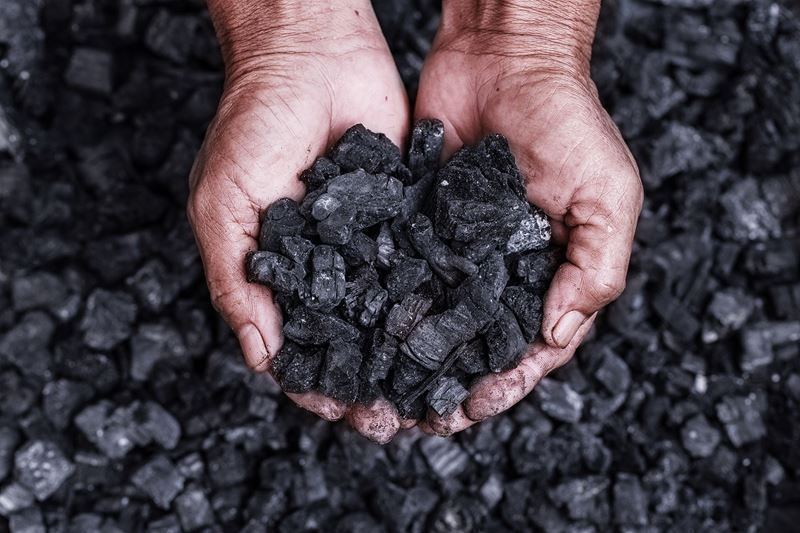
Crude steel production rose to 24.348 million tons, reflecting a 3.9% increase from the same period last year. Hot metal production saw a modest 0.5% rise to 14.233 million tons, while pig iron output grew by 2.6% to 1.220 million tons. Sponge iron production surged by 5.9% to 8.804 million tons, primarily due to the dominance of the coal-based route, which accounts for 83% of the total output. Overall, total finished steel production climbed by 6.0% to 23.711 million tons.
Major producers such as SAIL, RINL, TSL Group, AM/NS, JSWL Group, and JSPL together accounted for 57% of crude steel production, although their share decreased slightly by 0.2%. In contrast, other producers saw a significant increase of 9.8% in their output. These major producers also accounted for 91% of hot metal production, though their share fell by 1.8%, while other producers experienced a notable 29.9% increase. The major producers' share in pig iron and finished steel varied, with some segments showing a decrease and others an increase. Notably, their contribution to total finished steel production grew by 2.0%, whereas other producers' share rose by 10.9%.
The private sector continued to lead across most production categories. It produced 84% of crude steel, 70% of hot metal, and 87% of pig iron, demonstrating substantial growth. Despite the public sector's smaller share, it remains significant, especially in hot metal production. In terms of steel types, non-flat products represented 56% of production, while flat products made up 44%. Despite a higher import share for flat products, consumption trends indicate a growing preference for non-flat steel, which constitutes 55% of total consumption.
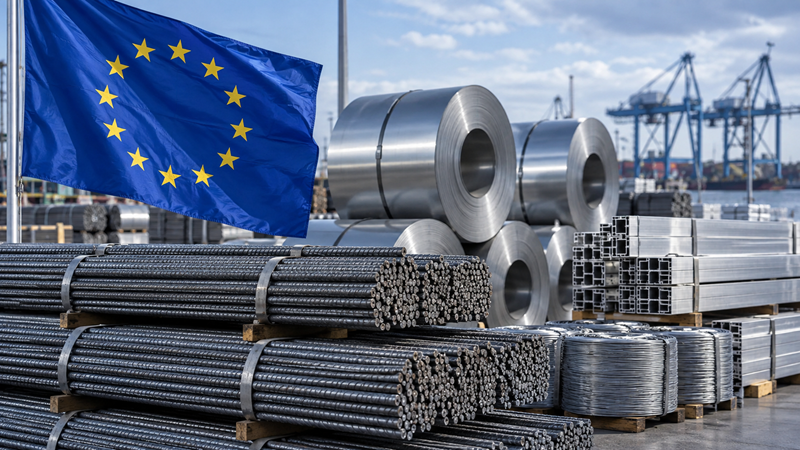
Trade dynamics showed a sharp decline in finished steel exports, which fell by 39.6% to 0.935 million tons. HRC emerged as the top export item, with Italy being the largest market. Conversely, imports surged by 37.4% to 1.307 million tons, with HRC being the most imported item. Japan was the largest supplier.
Overall, steel consumption increased by 12.8% to 23.411 million tons, with non-alloy steel dominating the market. Bars & Rods and Hot Rolled Coils led in consumption volume, indicating strong domestic demand. The Indian steel industry displayed resilience and growth during this period, with robust domestic consumption and diverse production contributions shaping a positive outlook for the sector.





Comments
No comment yet.