


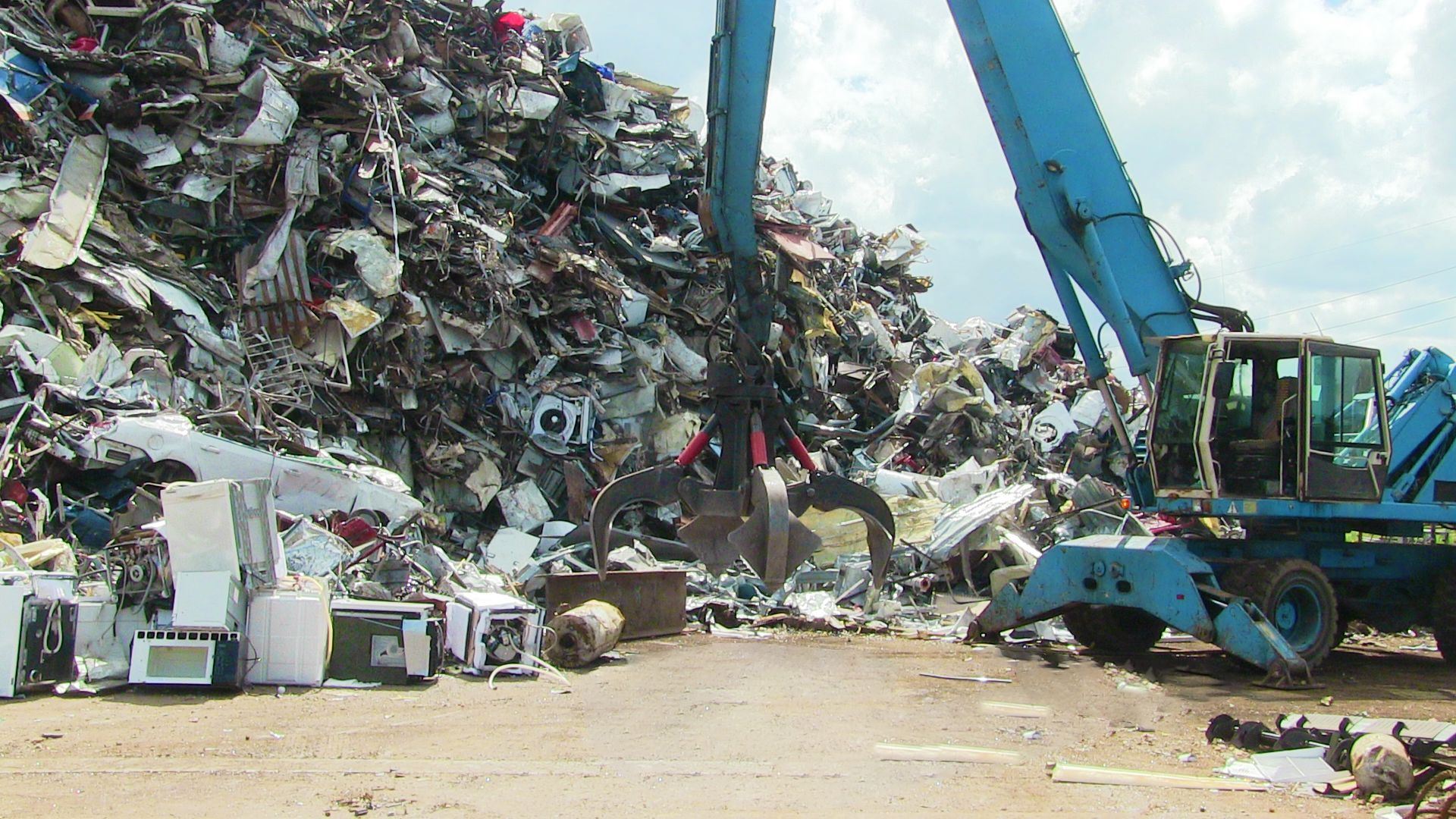
The container-based HMS 1/2 80:20 CFR Taiwan imported scrap price fell 4% to USD 325 per ton on August 21. The imported scrap price, which fell 5.8% from USD 345 per ton on August 1, has steadily declined since Q2 2024.
Taiwan’s imported scrap market has been under constant pressure since early April, especially as steel mills entered an energy conservation period. This period, which usually runs from May to September or October depending on local regulations, sees electricity prices increase by as much as 15% to 25% for industrial users depending on consumption levels. To manage these rising costs, many steel mills have reduced shifts, cut production during peak energy demand hours, or shifted operations to off-peak hours, resulting in a 10% to 30% decline in steel production nationwide, according to trade sources. Despite these operational adjustments, scrap prices continued to fall, particularly in July, due to adverse weather conditions that disrupted construction activities. Steel demand has weakened as major steelmakers have sought to reduce local rebar prices to stimulate buyer interest. Buyers expect prices to fall further in the near future.
The situation has been further exacerbated by the influx of cheap billet offers from other regions, including China, Russia, South Korea, Indonesia and Japan. According to market sources, the price of vanadium-added billets, which was around USD 515-525 per ton in May-June, fell to around USD 475-485 per ton by mid-August. While the operating cost of producing billets from scrap is estimated at USD 180-200 per ton, scrap buyers and producers believe that imported scrap prices need to fall below USD 300 per ton to remain competitive.
However, some steelmakers remain optimistic despite these challenges. Taiwan’s largest state-owned steelmaker, in a preliminary report released at the end of July, noted some supportive factors, indicating that the global economy is slowly recovering. They also noted that stable automobile sales, as well as rising demand for factories, offices, and residential construction, are boosting demand for automobiles, appliances, and construction-related steel. Taiwanese scrap suppliers are also optimistic, noting that housing demand is continuing despite measures such as the government lowering the loan-to-value ratio for second-home purchases from 70% to 60%. One scrap buyer noted that housing interest rates remain relatively low, making real estate financing more accessible. However, there are concerns that potential interest rate hikes could slow the market, particularly for buyers heavily reliant on mortgages.





Comments
No comment yet.