


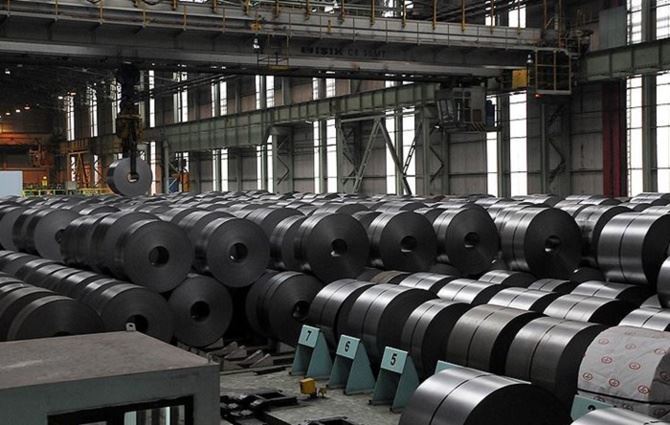
In the iron and steel industry, which is responsible for 11 percent of global carbon emissions and 7 percent of greenhouse gas emissions, carbon-free production targets are reflected in the trade and pricing of steel. China's declining role in export markets paves the way for other players to conclude bilateral or regional trade agreements, while also causing prices to diverge. According to the news of Evrim Küçük from Dünya newspaper, the effect of the new tariff quotas that will come into effect on January 1 between the EU and the USA is expected to spread in waves.
According to the steelmakers' association CISA, China's crude steel output fell to a 44-month low in October. Exports were also at the lowest level in 11 months. The Asian giant has also slowed down aluminum production to curb the use of coal-generated electricity to decarbonize production and embrace more sustainable growth. According to Paul Bartholomew, principal analyst at Platts Metals Analytics, this year's steel and aluminum production cuts are aimed at reining in excess capacity and gaining more control over the markets. China, which wants to focus on the domestic market, does not want to export its excess capacity. China's finished steel exports fell year-on-year, down from a peak of 110 million tons in 2015, to 66 million tons. Lower export levels have allowed steelmakers in some other countries to regain their domestic market share and also to reduce their dependence on the global freight market. The removal of 13 percent value-added tax reduction in China's exports of 146 product types in May, including rebar and hot rolled coil, accelerated this trend. Steel prices in the EU and the US have been on the rise as buyers are forced to seek regional sources of supply.
Section 232 change is rolling out in waves
China's declining role in export markets has paved the way for other players to conclude bilateral or regional trade deals. “Since mid-last year, when most countries have emerged from the first waves of the pandemic and lockdowns, global steel markets have been largely divided into east and west,” said Bartholomew. “Steel prices in the US and EU have soared to record highs, largely due to supply constraints and the recovery in downstream demand. Price increases in China and India lagged behind the West. Steel prices in China have increased by around 9 percent since the start of the year, reaching 4,630 yuan/tonne. The price of hot rolled steel also approached $750 from around $650.
Steel prices in North America rose almost 40 percent from around $1,000 to over $1,400. This caused India to increase its steel exports to the USA and especially to the EU, while countries such as Vietnam started targeting the USA.
The bilateral agreement was announced in late October and it is stated that replacing the US Section 232 import tariffs on EU steel and aluminum with tariff quotas (TRQs) from 1 January 2022 will have ripple effects on the steel trade. The EU will suspend duties on imports of certain US goods; The UK EU is expected to pursue a similar agreement, and the US and Japan are also negotiating a bilateral agreement. Similar trends are observed in other regions as well. Mexico, for example, will impose a 15 percent tax on imported steel from June 2022 to support domestic industry.
The Border Carbon Mechanism, created by the EU within the scope of combating climate change and which will come into effect in 2023, is also shown as a development that will encourage the regionalization and decarbonization of steel.
Scrap faces taxes in Europe
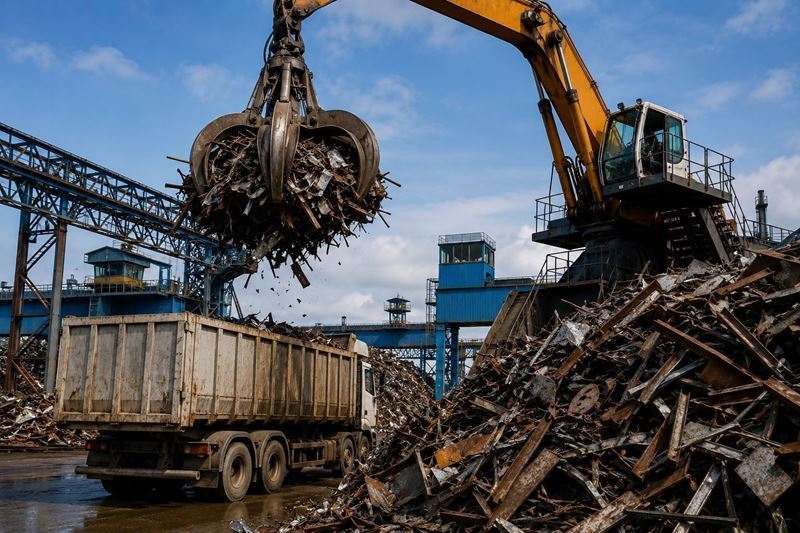
Regionalization is also expected in ferrous scrap markets to optimize local supply chains. Scrap is required for electric arc furnace steelmaking, which is much less carbon-intensive than blast furnace steelmaking. Under a revised legislation on waste shipments, from 2024 the EU will allow exports of scrap metal to third countries if they can demonstrate that they can manage waste in a sustainable manner. The EU is the world's largest exporter of ferrous scrap, with 17.4 million tons in 2020. Meanwhile, from the beginning of 2022, Ukraine will triple the customs duty on steel scrap exports to 180 euro/tonne. Russia will increase the customs duty on ferrous scrap exports to 100 euro/tonne or 5 percent for 180 days from January. This means a de facto ban on exports. A weak outlook is expected in the Asian scrap markets in 2022. The scrap market is expected to remain under pressure in 2022 due to the increasing COVID-19 severely disrupting the regional supply chain in countries such as Vietnam and South Korea. The Japanese scrap market is expected to remain strong in 2022 due to strong domestic demand.






Comments
No comment yet.