


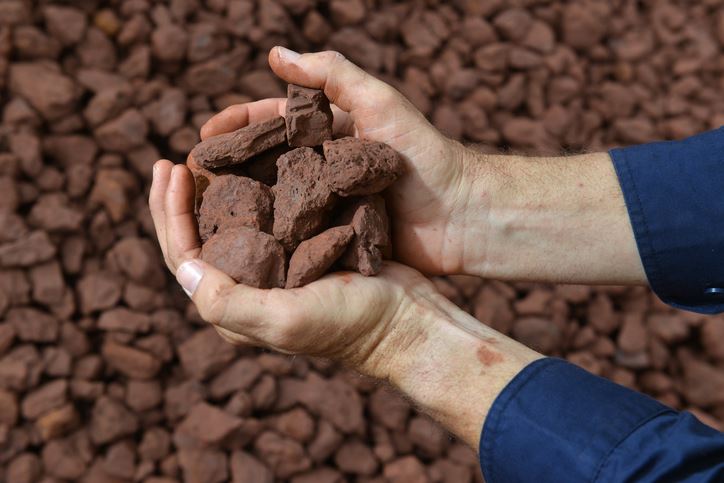
The steepest drop was observed in domestic low-grade iron ore fines (57% Fe), which plummeted by 32% to INR 2,900-3,000 per tonne (USD 35-36) in Odisha. Export prices for the same grade fell by 29% to USD 62-63 per tonne FOB. This decline is attributed to reduced demand from China’s property sector, a primary consumer of Indian iron ore.
Iron ore lump (Fe 60%) used by domestic steel mills also saw a decrease, dropping 10% to INR 5,700-5,800 per tonne (USD 68-69). Coking coal prices followed suit, falling by 23% to USD 270 per tonne by the end of June, thanks to a steady supply from Australia. Indian steel mills are increasingly sourcing cheaper met coke from Indonesia and China for spot requirements, leading to a 7% rise in India’s met coke imports, totaling 2.2 million tonnes during the first half of the year.
In the metals market, direct reduced iron (DRI) prices decreased by 4%, despite an increase in thermal coal prices, a key input for DRI production. Scrap prices, both imported and domestic, remained stable, with imported scrap priced at USD 385-390 per tonne CFR Nhava Sheva and domestic HMS (80:20) grade scrap at INR 33,000-33,500 per tonne (USD 395-400) in Mumbai. High freight charges due to geopolitical tensions have prevented any significant price drops in imported scrap, allowing domestic sellers to maintain their prices.
Conversely, billet and rebar prices saw a slight increase of 1-2% from January to June. Many secondary plants chose to undergo maintenance instead of cutting prices significantly amidst subdued steel demand. Domestic flat steel prices also experienced a minor decline of 2% to INR 53,000-53,200 per tonne (USD 635-637), driven by weaker demand from the automotive sector and diminished export demand.
Looking ahead, the December quarter, traditionally the peak season for steel demand in India, is expected to boost demand and prices for both raw materials and finished steel products.






Comments
No comment yet.