


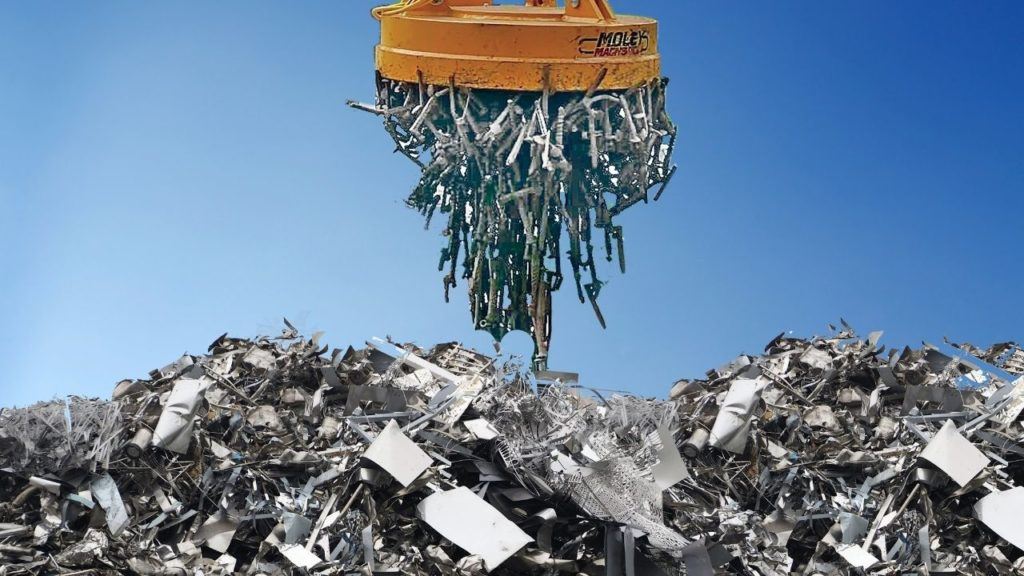
The steel industry in Iraq faces a critical challenge as scrap supply remains insufficient. Despite sourcing scrap from local suppliers and other parts of Iraq, the Iraqi government’s current restrictions prevent direct scrap imports due to political and regional complexities.
The scarcity of scrap has led to a decline in production rates, impacting several factories that can no longer maintain their previous steel output levels. However, there’s a glimmer of hope: the government has recently modified its decision, allowing interprovincial movement. Although the path is now open from the Baghdad government, the available scrap is still inadequate.
While the government permits movement between provinces, the situation has not yet fully normalized across all checkpoints and relevant departments. Nevertheless, this development has eased scrap supply challenges to some extent.
Ramadan, traditionally a month of stagnation in the steel market, sees most Iraqi factories anticipating stable prices. However, as the month draws to a close, industry experts expect a modest price increase, consistent with past years’ trends.
Current steel prices reflect a decline;
Iraq Super Steel Rebar (12-32 mm) is priced at $599 ton EXW, representing a decrease of $5 compared to previous rates.
On the other hand, some factories, like Van Steel, have not yet adjusted their prices downward. Their strategy involves holding prices steady until the end of Ramadan, after which they plan to implement price increases.
In neighboring Oman, the construction sector experiences reduced activity during Ramadan, resulting in a nearly stagnant market. But, in response to managing specific costs, factories have made a strategic decision: they will raise their product prices by nearly $20.
The current pricing reflects this adjustment, with Oman Rebar (12-32 mm) now standing at $665 ton EXW, marking a significant increase.
Yemen Faces Steel Price Surge Amid Red Sea Challenges
In the aftermath of a ship hijacking incident in the Red Sea, Yemen’s steel industry grapples with rising costs. Rebar, a crucial construction material, is now being procured from Turkey at inflated prices due to soaring transportation and insurance expenses.
Moreover, the Red Sea issue has significantly impacted domestic production costs. As a result, steel prices have surged by $15:
Yemen Rebar (12-32 mm) is currently priced at $660 ton EXW, reflecting the recent increase.
MENA is a Production Center for Direct Reduced Iron (DRI)
The MENA (Middle East and North Africa) region holds significant potential as a production hub to enhance accessibility to Direct Reduced Iron (DRI). With abundant natural resources, including ample reserves of natural gas and iron ore, coupled with strategic geographical location and established infrastructure, the MENA region presents an ideal environment for DRI production.
DRI, a crucial feedstock for steelmaking, offers several advantages over traditional iron production methods, including lower carbon emissions and higher purity. As global demand for steel continues to rise, particularly in emerging markets, ensuring reliable access to DRI becomes increasingly imperative for steel manufacturers.
The MENA region's rich natural gas reserves provide a cost-effective source of energy for the direct reduction process, which converts iron ore into DRI using natural gas as a reducing agent. This abundant energy supply, coupled with advanced technologies and favorable regulatory frameworks, positions the region as a competitive in the global DRI market.
Furthermore, the strategic geographical location of the MENA region enables efficient transportation and logistics, facilitating the distribution of DRI to key markets worldwide. Proximity to major shipping routes and access to both European and Asian markets enhances the region's attractiveness as a production hub for DRI.
Investments in DRI production facilities across the MENA region have been steadily increasing, driven by growing demand for steel and efforts to diversify economies away from reliance on hydrocarbon exports. These investments not only contribute to economic development and job creation but also strengthen the region's role as a crucial supplier of DRI on the global stage.





Comments
No comment yet.