


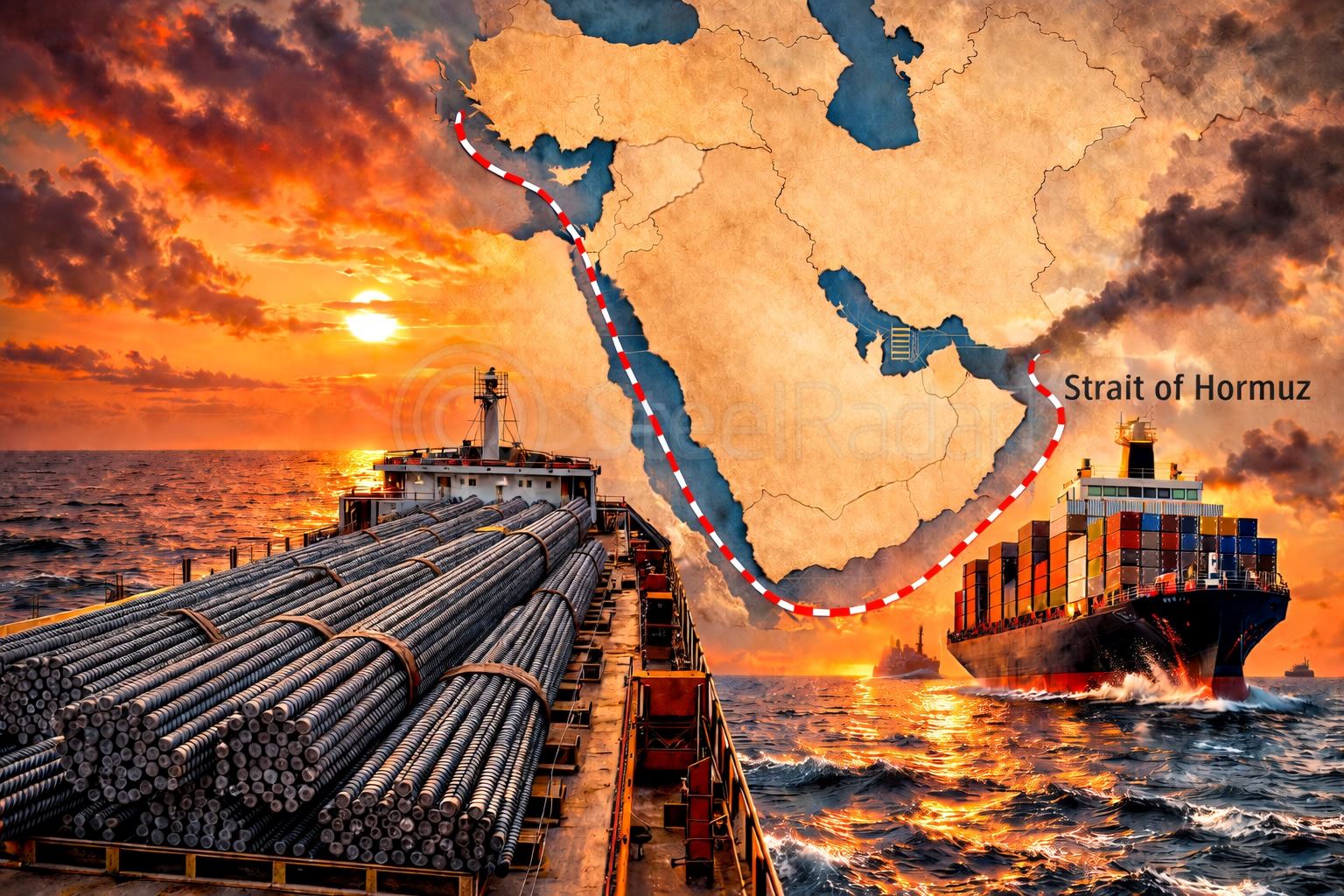
The fragile equilibrium of global markets has been upended this week as escalating conflict in the Strait of Hormuz sends shockwaves through the energy and industrial sectors. From volatile crude prices to tightening steel supply chains in the Middle East, the ripple effects are being felt from Cairo to Muscat.Oil prices underwent a dramatic "v-shaped" journey following the onset of Iranian hostilities. Crude benchmarks spiked rapidly toward the USD 120 mark as fears of a prolonged blockade took hold. However, the rally was partially checked after statements from the Trump administration suggested a diplomatic resolution might be on the horizon, pulling prices back toward the USD 90 range.
Despite this cooling, Asian markets remain in a defensive crouch. The region has seen a sharp downturn in equities, coupled with rising interest rates and a broad weakening of local currencies against a dominant U.S. Dollar. While energy grabs the headlines, the Mediterranean scrap market is seeing its own shift in dynamics. Demand for European scrap in Egypt remains robust, with mills reportedly willing to cross the USD 365/t CFR threshold for HMS 1&2 (80:20). This aggressive bidding has caused a strategic pivot among European exporters. Cargoes are increasingly being diverted to Egyptian ports.
Djibouti and East Africa: Surging Prices and Supply Constraints
The impact of the crisis is most evident in the regional billet and rebar markets, particularly for Chinese-origin products where sharp price movements are observed.
The CIF price for Chinese-origin billet, which stood at USD 490/ton before the crisis, has surged by USD 35 over the last two weeks, reaching USD 525/ton. This price increase applies not only to future shipments but also to current cargo onboard vessels and those already at the port.
Imported rebar is no longer being offered to new customers; all existing stock at the port has been sold. Consequently, sellers have raised prices for the remaining unsold inventory to reflect increased logistics and risk premiums.
The 45-Day Countdown
If the Strait of Hormuz remains closed, the outlook turns grim. Current warehouse inventories are estimated to last only 1 to 1.5 months. Beyond that window, the region faces:
Critical shortages in steel supply
Severe operational disruptions across the construction sector
Strategic price adjustments
Reflecting the increased cost of logistics and market uncertainty, the company has implemented a cautious price hike. To balance rising overheads without alienating a sensitive market, prices for both billets and rebar have been raised by a modest USD 6–10 per ton.





Comments
No comment yet.