13,297.41 TRY BIST 100 BIST 100
47.43 USD USD USD
7.07 CNY CNY CNY
54.58 EUR EUR EUR
0.13 CNY CNY/EUR CNY/EUR
42.00 TRY Interest Interest
87.77 USD Fossil Oil Fossil Oil
6.51 USD Copper Copper
88.75 USD Silver Silver
95.06 USD Iron Ore Iron Ore
377.25 USD Shipbreaking Scrap Shipbreaking Scrap
6,089.00 TRY Gold (gr) Gold (gr)
95.00 USD Iron Ore 61% Fe Iron Ore 61% Fe

Rebar prices decrease in Northern Europe but remain stable in Southern Europe

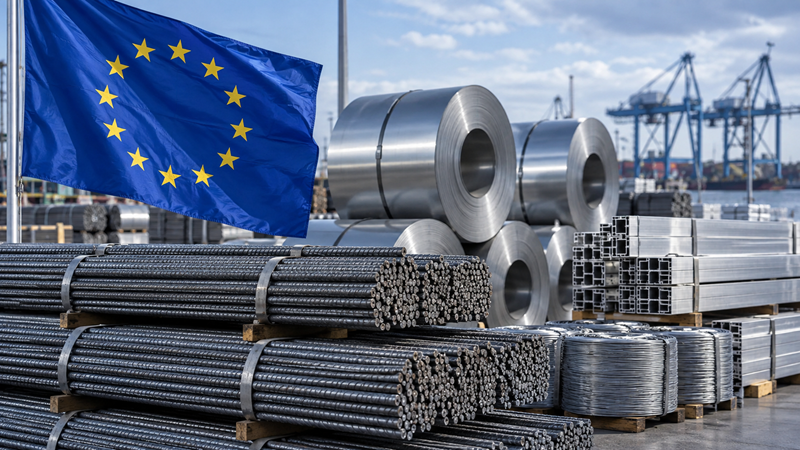
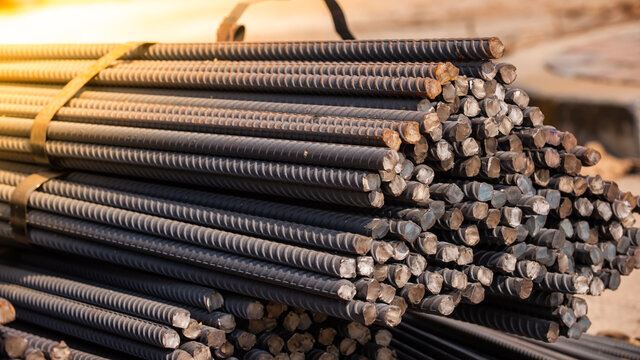
Rebar prices in Germany experienced a significant decrease as of July 22. Across Europe, a slowdown in construction activity and high inventories weighed on prices, while in Poland, higher domestic demand pushed prices higher. In Southern Europe, on the other hand, prices remained stable.

Rebar prices decrease in Northern Europe but remain stable in Southern Europe

Rebar prices in Germany decreased by EUR 10 to EUR 625 on July 22. This was mainly due to weak demand in the construction sector and economic uncertainties, sources reported. The slowdown in construction activity across Europe and high inventory levels kept prices under pressure. Higher energy costs and expectations of an economic recession were also cited as other factors weighing on rebar demand.

Rebar prices in Poland increased by EUR 3 to EUR 623 in the same week. Ongoing projects in Poland's construction sector and rising domestic demand had a positive impact on prices. The country's economic growth prospects and increased infrastructure investments continue to support demand for iron and steel products. This upward trend in Poland is a positive economic outlook in contrast to the stagnation in other European countries.

Rebar prices in Southern Europe remain stable...

Prices were stable at EUR 595 in Spain and EUR 610 in Italy. Sources noted that construction activity in the region remained relatively stable. The lack of a significant increase in construction projects in Spain and Italy and the current economic conditions were cited as other factors that contributed to the stable prices.

The summer vacation period in Europe led to a slowdown in construction activity and a drop in demand. Many projects were suspended during this period, leading to lower demand for rebar. As a result, lower demand and high inventory levels led to lower prices. The price decline, particularly in Germany, reflects the effects of this seasonal stagnation

Comments

No comment yet.

Only +plus subscribers can access this content.

SUBSCRIBE now to share your thoughts on the markets and get more comments.
SUBSCRIBE If you already have an account Sign In

Most read news

China's green steel push forces Australian iron ore giants to rethink strategies

Thursday, July 30, 2026

Voestalpine starts up new EUR 70 million production plant in the US

Wednesday, July 29, 2026

Rio Tinto increases profit and cash flow in first half

Wednesday, July 29, 2026

POSCO International's second quarter net profit increases %173.3

Thursday, July 30, 2026

India's steel production and consumption continue to grow in the first quarter of the fiscal year

Friday, July 31, 2026
Follow List
Expand
Your watch list is empty

Add your favorite commodities for quick access and don't miss the latest price change news.


There are no news categories you follow
Edit Notification Preferences
E-bulletin subscription
Sign up to receive the latest news and daily iron prices by e-mail and sms
Become a Plus Subscriber Now!
Try it free for 3 days!
Subscribe Now
Neutral Prices
Be informed
Provincial Iron Prices
Comments and Analysis
Subscribe Now