


This move comes as global HRC benchmarks and energy markets are also trending higher, reinforcing a pricing environment that remains elevated and volatile rather than easing in early 2026.
The new CSP level of $1005/st for most mills, and $1055/st at CSI, places Nucor firmly back into four-digit territory. The $15/st increase mirrors the last similarly sized adjustment in late August 2024 and signals a renewed willingness to move prices in larger steps.
At the same time, the global HRC steel benchmark stood at $1012.96 per metric ton on March 2, 2026. That benchmark is up roughly 4 percent over the past month and about 10 percent over the last twelve months, underscoring that the move in Nucor’s base is occurring alongside a broader upswing in global flat steel pricing rather than in isolation.
North American HRC prices finished 2025 around $0.96 per kilogram, or roughly $960 per metric ton, following a nearly 10 percent increase in Q4 compared with Q3. Against that backdrop, Nucor’s new CSP level sits slightly above recent North American averages and is broadly aligned with firm global benchmarks, consistent with a tariff-protected domestic market.
Stronger consumer confidence, sticky wholesale inflation, sharply higher energy prices, and Trump administration steel tariffs are combining to keep steel prices elevated and volatile rather than allowing for a meaningful correction.
Consumer confidence improved in February from January’s lows, but expectations remain fragile. At the same time, wholesale inflation accelerated more than expected in January, with core producer prices rising faster than headline figures and metals-related components moving higher. This signals that cost pressures across the industrial supply chain remain present.
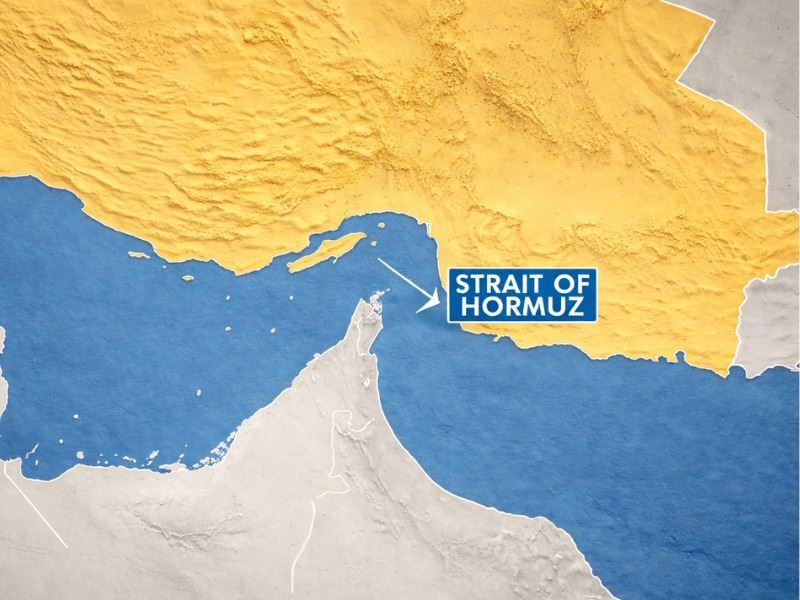
Energy markets are adding further complexity. Brent crude recently traded around $72.87 per barrel, up more than 8 percent over the previous month. The conflict centered on Iran has injected a geopolitical premium into oil and LNG-linked gas markets, raising the risk of further cost increases for heavy industry.
For an EAF-based producer like Nucor, electricity and natural gas are central to its cost structure. While arc power dominates melting, natural gas remains essential for reheating and DRI-related processes. Sharply higher oil and LNG-linked gas prices, therefore, feed into overall conversion costs and reinforce the need to defend margins through pricing.
Trade policy remains a critical pillar of domestic steel pricing power. The reinstated and expanded Section 232 framework in 2025 effectively raised tariffs on many steel imports to 50 percent. This significantly narrowed the price gap between domestic and offshore material, limiting buyers’ ability to offset domestic increases with imports.
With import share declining through 2025 and domestic mills entering 2026 with historically high order backlogs, the pricing umbrella for US producers remains firm. In this context, Nucor’s move above $1000/st reflects not just short-term momentum but also structural support from tariffs and constrained import competition.
For buyers, the current Nucor steel price environment calls for closer short-term tracking of energy and LNG markets, which increasingly influence the company’s EAF-based cost structure. The steel price story in 2026 is no longer driven solely by domestic supply and demand. It sits at the intersection of tariffs, energy volatility, wholesale inflation, and shifting end-market confidence.
The break above $1000/st is both symbolic and practical. It signals that the floor for flat steel pricing has shifted higher, and that, absent a sharp demand contraction, meaningful price relief may prove difficult in the near term.




Comments
No comment yet.