


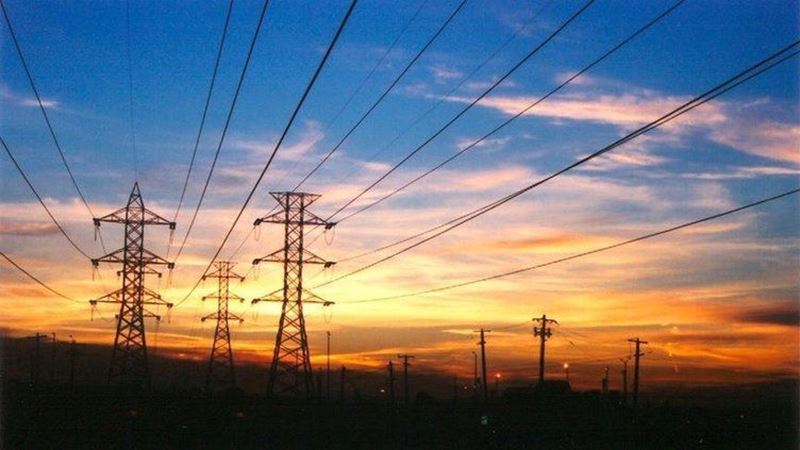
Iran’s steel sector is once again grappling with major power outages after the Ministry of Interior restricted electricity supply to some producers by 90%. Structural issues in the energy sector are threatening the sustainability of steel production, raising concerns over the coherence of industrial policies.
Seyed Rasoul Khalifa Soltani, Secretary General of the Iranian Steel Producers Association (ISPA), strongly criticized the decision, stating that the sector has suffered more than $14 billion in production losses over the past four years due to repeated blackouts. He emphasized that the lack of consistent energy supply has severely damaged the economy and pointed to a memorandum of understanding signed between the Ministry of Energy and the Ministry of Industry, Mine and Trade aimed at protecting key industries. He called the decision a violation of that agreement and urged its reversal. Industry Minister Mohammad Atabak also condemned the move, warning that the restrictions would significantly harm the cement, steel, and aluminum industries.
Despite being a cornerstone of Iran’s non-oil economy, the steel sector is frequently affected by seasonal power cuts, particularly during the summer. This year, outages began as early as April 16 in the southern regions and spread to central areas in May. While these cuts typically occur from mid-June to mid-September, this year they started earlier and more severely due to drought and low reservoir levels. As of May 15, producers were instructed to reduce electricity consumption to 10% of normal levels for 15 days. Some factories have been forced to halt production entirely. The Iranian Cement Producers Association confirmed that the restrictions are causing significant declines in output.
While fluctuations in exchange rates and energy issues are pressuring trade policies, prices for long steel exports remained relatively stable in May.
Iranian-origin rebar offers stood at USD 440–460/ton at the beginning of May and have since shifted slightly to USD 450–460/ton. Wire rod prices are in the USD 470–500/ton range. With expectations of reduced production during summer, traders are stockpiling. Factory shutdowns due to raw material and energy shortages are pushing prices up and giving traders more control over the market.
A similar situation is unfolding in the flat steel segment. June-delivery slab prices are around USD 405–410/ton FOB, with some deals to Indonesia closing at USD 405/ton FOB. One producer reported selling high-manganese billet at USD 427/ton.



Comments
No comment yet.