


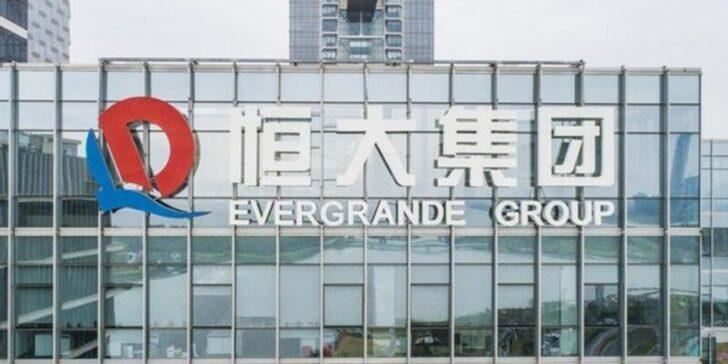
Chinese stock markets have been falling since last week as Evergrande could not pay its debts and create a domino effect. Although the company has announced that it has restructured some of its debts, the interest and payment amounts it will pay are uncertain.
The Evergrande crisis is only the first reflection of much larger problems.
According to the Financial Times, the real estate sector accounts for about 29% of the country's gross domestic product. The real estate sector is the locomotive of China's growth. According to the Financial Times, there are enough vacant properties in China to accommodate more than 90 million people. Oversupply has been a serious problem in China for several years. The first quake of this supply problem was with Evergrande. President Xi had set three ratios to reduce the debt crisis in the industry. These ratios are the ratio of debt to assets, net debt to equity and cash to short-term debt. Evergrande failed to pass any of the determined ratios. That's why he was thrown in front of the first wolves.
Although the real estate sector in China is an important locomotive for growth, the population growth rate negatively affects the sector for the future. China's population is growing harder than before. The rapid decline in birth rates is shaking the future of China's growth engine. Growing China by building properties without a market is consuming capital and creating winners/losers.
Steel Industry
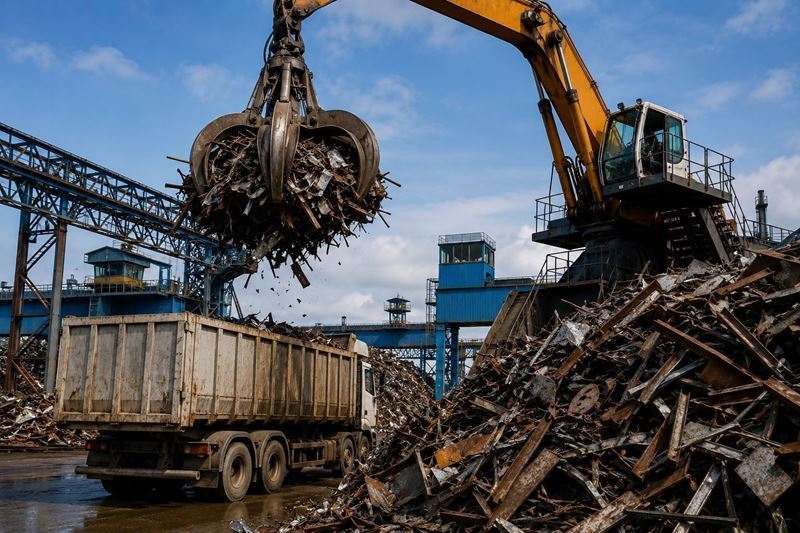
A significant part of the Chinese steel industry exists for the real estate sector. Demand from the industry is helping to raise prices. Hundreds of billions of tons of capacity have grown with projects already partially built. The real estate sector also accounts for 20% of China's copper consumption. China's growth will decline as Beijing squeezes the real estate market and its creditors. Steel markets will necessarily shrink.
China grew by an average of 10.4% from 2000 to 2010. From 2010 to 2019, it grew by an average of 7.68%. In the next decade, China will struggle to exceed the 4% band. According to the Financial Times, the average in the second half of this decade could only be around 1.5-2%.
Domino Effect
Although positive news about Evergrande has been received about payments since yesterday, we do not know anything more clearly. If the company goes bankrupt, I don't expect it to have a Lehman effect, but it will still negatively affect the markets with a domino effect. The size of the bonds of Chinese real estate companies held by UBS is 290 billion USD. If Evergrande creates a domino effect, it will further increase the risk of counterparties.
Returning to the metal side, the price decreased from 220 USD to 120 USD with the shrinking real estate sector of China. It is at half of the levels at the beginning of the year. Considering that the demand in China will continue to decrease, the steel and copper markets will continue to decline day by day.





Comments
No comment yet.