


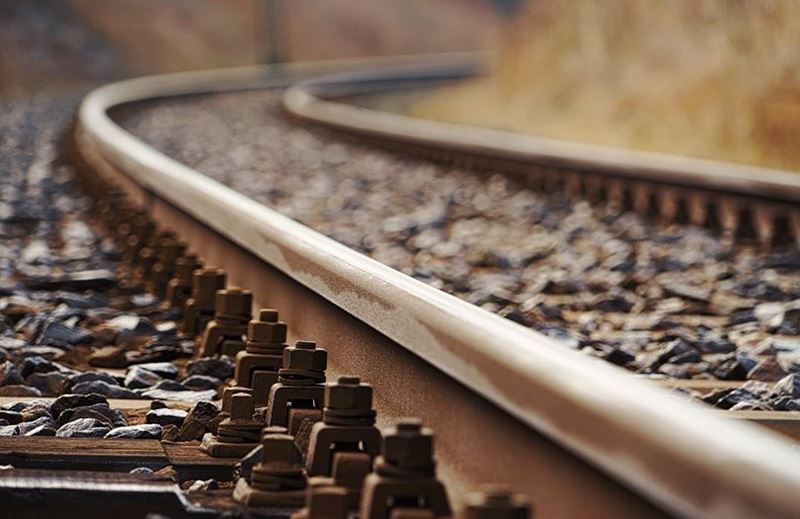
Kerstin Maria Rippel, Director General of the Association, emphasized the critical importance of rail freight transportation for the industry and stated, "Steel and rail - an unbeatable team. Accounting for around 50 percent of total freight transport, rail is the most important mode of transportation for both raw material logistics and product transport,". Rippel emphasized that steel is not only a transport material, but also the basic building block of the railway infrastructure, from rails to bridges to railcars.
The German steel industry welcomed the Federal Government's special fund “Infrastructure and Climate Neutrality” (SVIKG), which will invest 107 billion euros in rail infrastructure by 2029. Rippel stated: "The ‘K’ in SVIKG stands for climate neutrality. This principle must be taken into account in the implementation process."
Climate-friendly steel is the key to sustainable rail infrastructure
The statement emphasized that the use of steel plays a critical role in reducing emissions from railway infrastructure and that this goal can only be achieved through low-emission local steel production. In this context, it was stated that the pioneering projects to be carried out with Deutsche Bahn, which are included in the coalition agreement, should no longer be postponed.
It was also noted that the steel industry needs reliable transportation systems for the continuity of its logistics activities. Single-wagon transport, which is especially vital for specialized supply chains, should continue to be supported. The preservation of subsidies in this area in the new draft budget is seen as a positive development, but implementation details are still open for improvement.
In conclusion, Rippel stated that "Steel is not only the pioneer of rail, but also of mobility and the climate transition. Anyone looking to make infrastructure resilient must rely on local value chains and low-emission, domestically produced steel,".



Comments
No comment yet.