


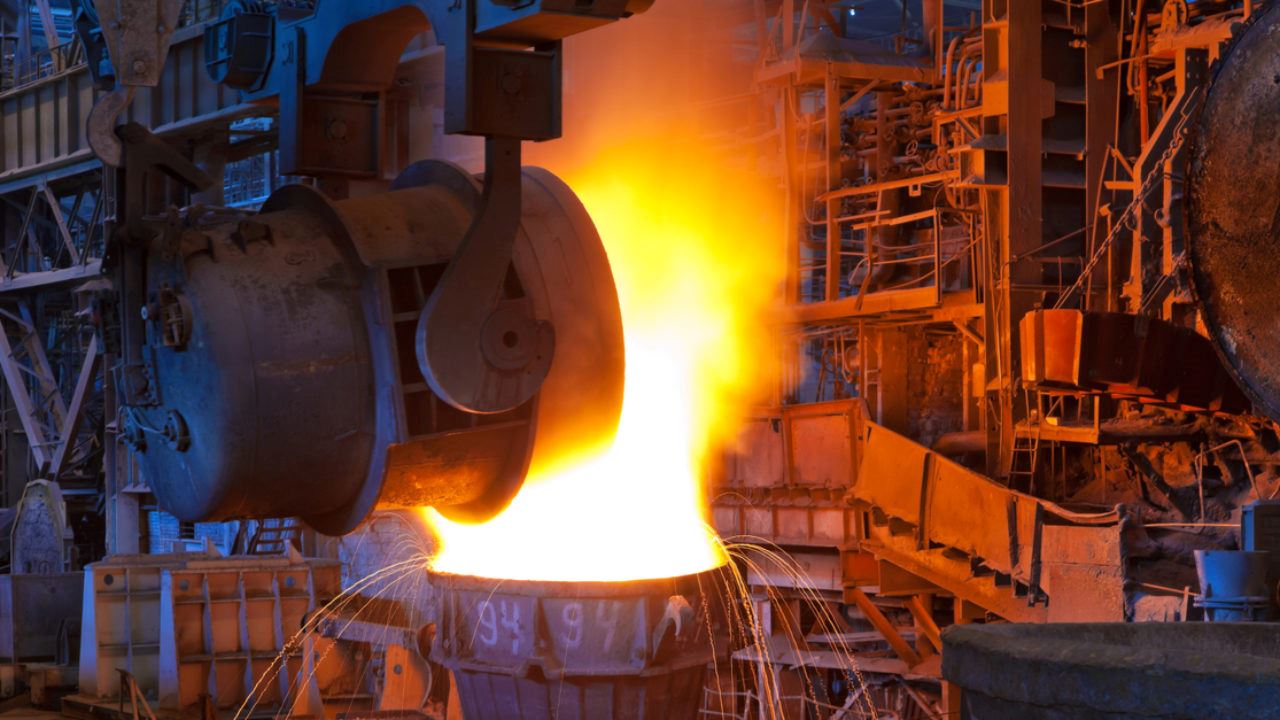
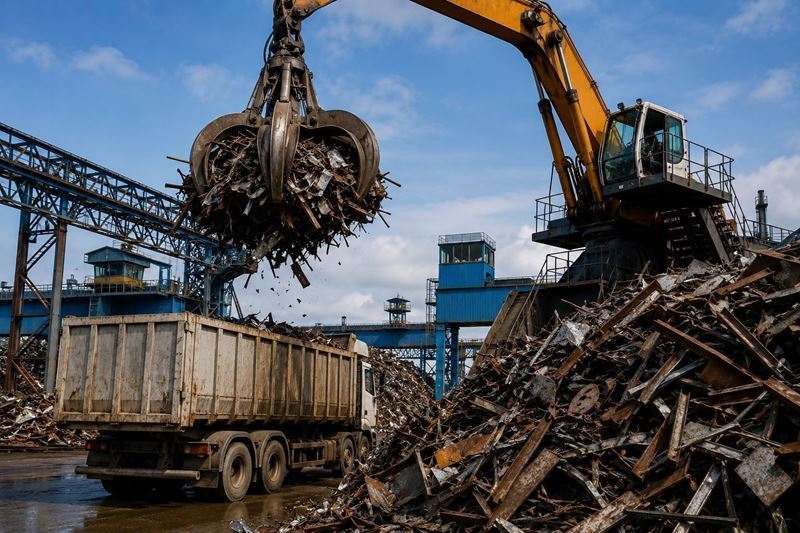
E40 scrap prices in Germany decreased by EUR 35 to EUR 345 at the beginning of October. This decrease is attributed to a persistent lack of demand in the market and weak hopes for a recovery. This decrease in scrap prices continues to squeeze steel mills' margins, while optimistic prospects for a recovery in demand remain very limited.
The rebar market showed a similar decrease. Starting the week with a decrease of EUR 20, prices were recorded at EUR 615. This decrease is directly linked to weak demand from Germany's construction sector. The sluggish construction sector is weakening steel demand, leading to further price decreases.
HRC prices in Germany also decreased by EUR 10 to EUR 555. This decrease is seen as a reflection of low demand in the construction sector as well as the general market sluggishness. CRC prices, on the other hand, showed a relatively resilient performance, remaining stable at EUR 725. This stable trend is seen as a sign of more stable demand for CRC products.
In the steel plate market, the week started with a decrease of EUR 20 and prices were recorded at EUR 680. However, 14-40 mm thick plate products saw an increase of EUR 5 to a price level of EUR 580. This limited increase indicates that overall market pressure continues, although demand has stabilized in some segments.
In Poland, the market remains stable...
The Polish steel market showed a more stable performance compared to Germany. Rebar prices were stable at EUR 603, while wire rod prices were unchanged at EUR 600. Although the demand contraction in the Polish market is not as pronounced as in Germany, the general recession is also affecting Poland.
Steel scrap prices have increased on a weekly basis, putting further pressure on producers' margins. The positive effects of stimulus efforts in China are contributing to higher raw material prices in the global steel market. The Chinese government's recent stimulus measures have led to higher iron ore and steel prices. This is putting additional cost pressure on German steel producers in particular.
Although market sources expect the signs of recovery in China to have a positive impact on European markets, the demand situation in Northern Europe remains quite weak in the short term. Buyers in Germany report that there has been a severe stagnation in orders, especially for large tonnage orders, and signs of recovery are still uncertain.
In countries such as the Netherlands and Belgium, small tonnage orders are picking up, but overall the Northern European steel market is not expected to recover significantly. However, there may be some hopes of a revival in the construction sector towards the New Year. However, the pressure of low demand and increasing raw material costs is likely to continue to have a negative impact on the sector.
While prices in the Northern European steel market have fallen significantly, especially in Germany, low demand and increasing raw material costs continue to exert pressure on the sector. Market players in different parts of Europe, however, are holding out limited hope for a recovery in demand in the coming months.





Comments
No comment yet.