


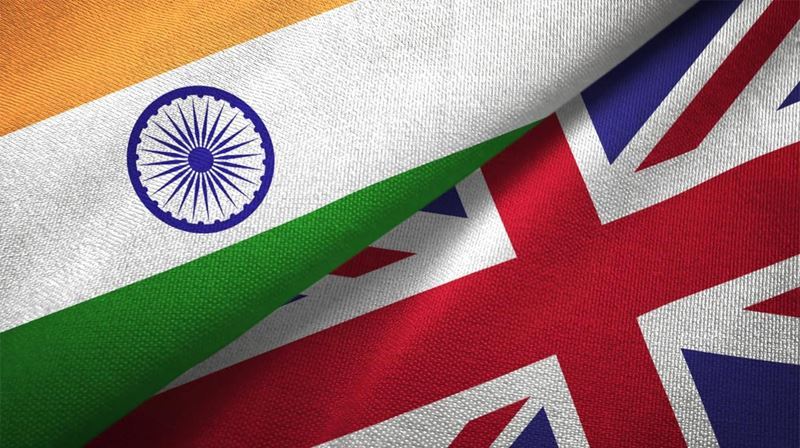
India’s CCTS added to UK’s list of eligible mechanisms
The UK has included India’s Carbon Credit Trading System (CCTS) among the overseas carbon pricing mechanisms eligible to provide a carbon price deduction under its Carbon Border Adjustment Mechanism (CBAM).
Under the decision communicated by the UK Treasury to India’s Bureau of Energy Efficiency (BEE), companies importing Indian-origin products covered by the CBAM will be able to claim a reduction in their UK CBAM liability for the carbon price paid under the CCTS during the production of those products.
The decision follows technical discussions between the two countries on the design and implementation of the CCTS. The mechanism under the UK’s CBAM framework is intended to prevent products already subject to an eligible carbon price in their country of production from facing a second carbon charge on the same emissions.
Could reduce cost pressure on steel exports
The UK’s CBAM will come into effect in January 2027. The mechanism will impose a carbon cost on imports of emissions-intensive products, including iron and steel, aluminium, fertilisers, hydrogen, ceramics, glass and cement.
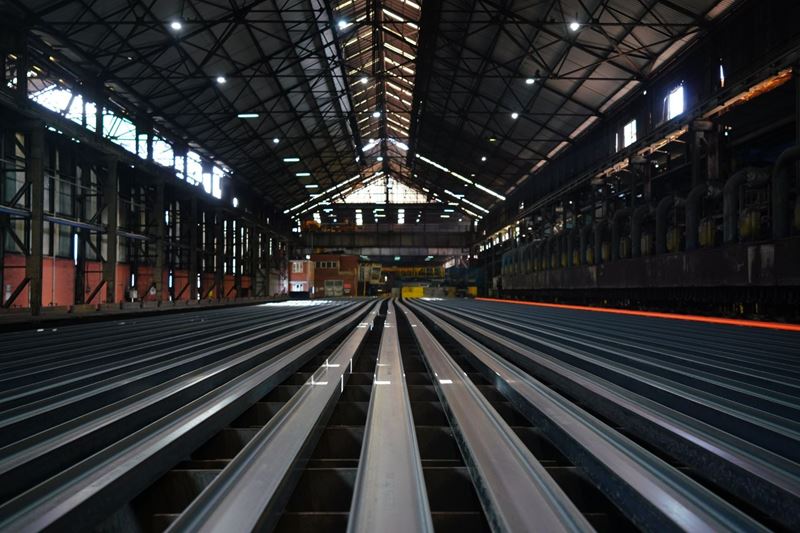
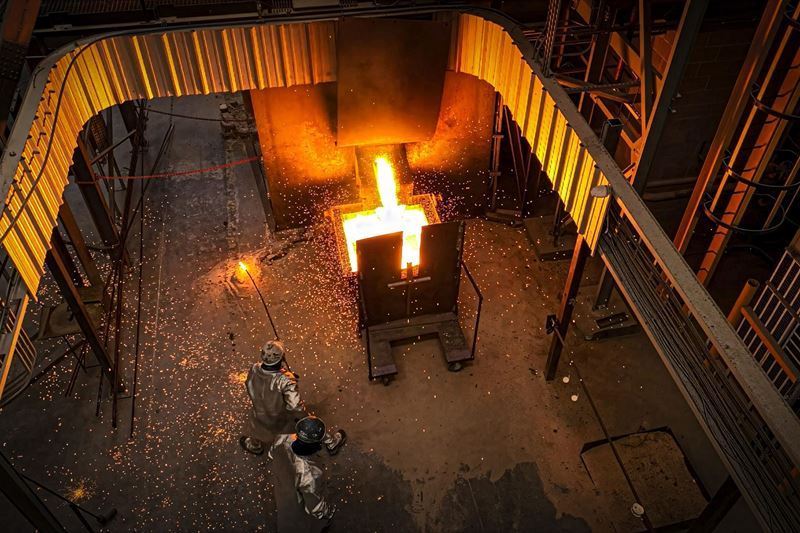
India’s exports of iron, steel and steel products to the UK amounted to USD 893.4 million in the 2025–26 financial year, while total Indian merchandise exports to the UK reached USD 13.4 billion during the same period.
Recognition of the CCTS by the UK could allow eligible carbon costs paid in India to be deducted from UK CBAM liabilities, potentially reducing the carbon costs faced by Indian steel exporters in particular.
The amount of the deduction will be determined based on the carbon price actually paid for the relevant products in India and will be subject to the evidence and verification requirements set out under UK legislation. Even if the overseas carbon price exceeds the UK CBAM liability, the deduction cannot exceed the CBAM liability calculated for the product.
UK to implement CBAM as a direct tax in 2027
The UK will introduce its CBAM in January 2027. Unlike the European Union’s CBAM, the UK system will operate through a carbon charge in the form of a direct tax rather than requiring importers to purchase and surrender certificates.
India and the UK will continue technical cooperation on the interaction between the CCTS and the UK CBAM, as well as on carbon pricing and the design of carbon markets.
The decision also comes shortly after the Comprehensive Economic and Trade Agreement between India and the UK entered into force on July 15. Bilateral goods trade reached USD 25.1 billion in the 2025–26 financial year, while services trade stood at USD 35.4 billion in 2024.






Comments
No comment yet.