


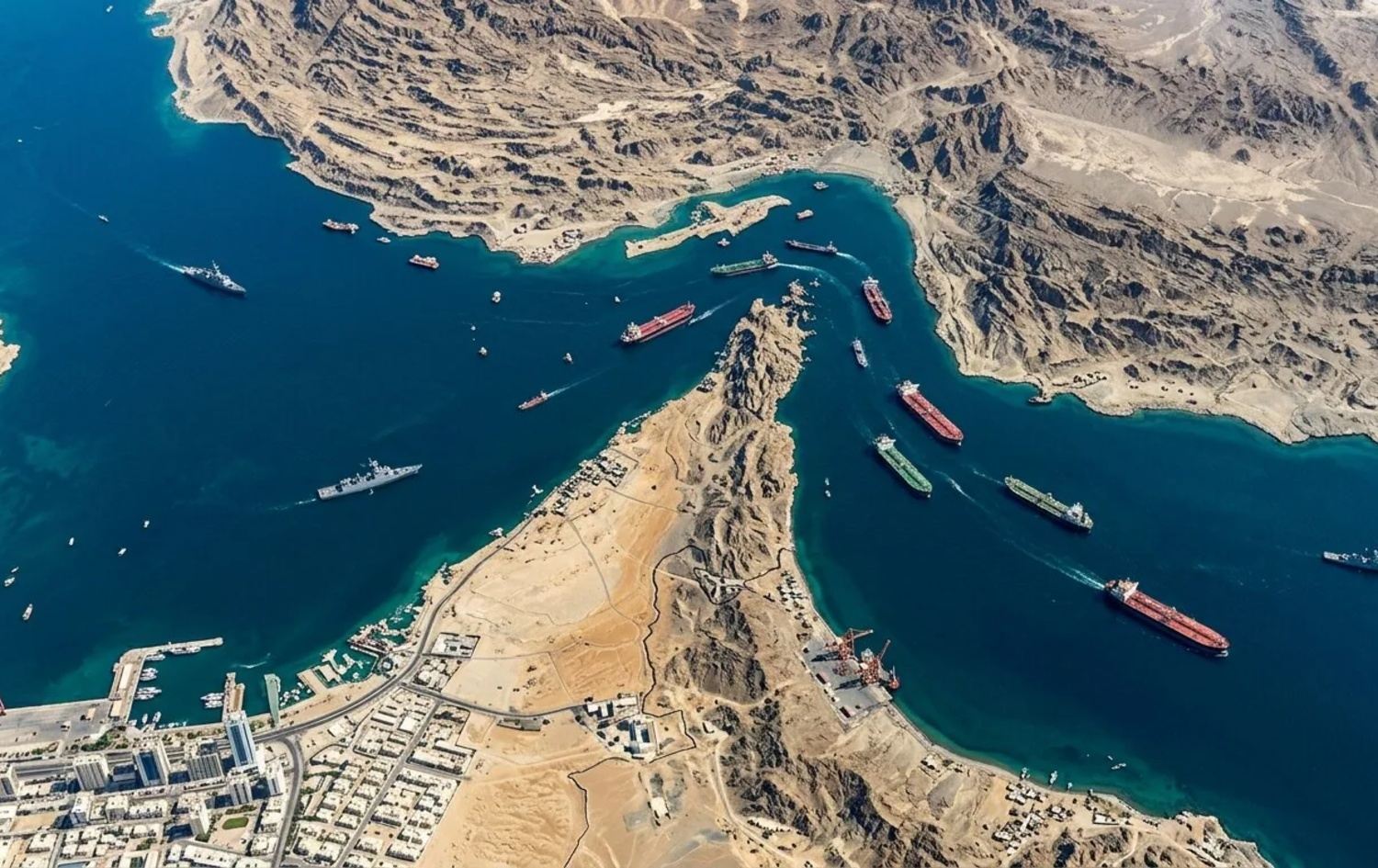
A noticeable recovery has been observed in maritime traffic through the Strait of Hormuz in recent days, while a new U.S. licensing decision concerning Iranian-origin oil and petrochemical products has strengthened expectations of market normalization.
According to maritime data, a total of 71 verified vessel transits were recorded through the Strait of Hormuz between June 19 and June 21. The busiest day was June 20, with 35 vessel passages. Following the lifting of the blockade in the region and positive signals regarding navigational safety, commercial vessels have increasingly resumed using the strategic waterway.
Market sources indicate that a growing number of commercial vessels are sailing with their Automatic Identification System (AIS) switched on, suggesting that confidence among shipowners and cargo owners is gradually being restored. However, despite the recent increase, traffic volumes remain below pre-crisis levels.
Meanwhile, the U.S. Department of the Treasury’s Office of Foreign Assets Control (OFAC) announced that under “General License X,” certain transactions related to the production, sale, delivery, and transportation of Iranian-origin crude oil, petroleum products, and petrochemicals will be authorized until August 21, 2026.
The license covers activities associated with the production, loading, unloading, and transportation of Iranian oil and petrochemical products, as well as vessel-related services such as port calls, bunkering, insurance, classification, and crew support. The measure is widely viewed as an effort to ease supply concerns in global energy markets following recent geopolitical tensions in the region.
Market participants note that OFAC’s temporary authorization could generate a degree of renewed activity in the international trade of Iranian energy products. Combined with the recovery in Strait of Hormuz traffic, this may support a gradual increase in regional oil and petrochemical shipments.
Nevertheless, diplomatic uncertainties and security risks have not disappeared entirely. Reports indicate that some vessels continue to favor routes close to the Iranian coastline or conduct voyages with AIS signals switched off. In addition, ongoing mine-clearing operations in the region are contributing to a cautious approach within the maritime transportation sector.
Developments are also being closely monitored by the steel industry. A normalization of energy and raw material shipments through the Strait of Hormuz is expected to play a key role in shaping freight rates and regional trade flows. However, analysts emphasize that a lasting recovery will depend on continued improvements in both political and security conditions.





Comments
No comment yet.