



The Middle East and Africa steel markets are undergoing a significant transformation, driven by escalating regional tensions and disruptions in the supply-demand balance. Current field data reveals sharp country-based divergence in rebar and raw material prices, while geopolitical developments directly impact global trade routes.
The global steel industry is navigating a critical turning point under the shadow of rising conflict and targeted strikes on strategic production hubs. Recent operations by the U.S. and Israel targeting Iran’s steel giants, Mobarakeh Steel and Khuzestan Steel, have begun to directly influence regional supply security and price equilibrium.
*Iran’s Export Resilience and Production Capacity Under Pressure*
The steel industry, a cornerstone of Iran’s non-oil export revenue, is facing a severe trial. As one of the world's top 10 steel producers, the country’s global standing risks a temporary setback due to potential production losses. Local sources indicate that a decline in output will pressure the domestic market, potentially forcing the country to bridge the gap in strategic products through increased imports.
Despite these challenges, Tehran remains committed to keeping export channels open. While no official export ban has been announced, various steel products and surplus raw materials continue to reach global markets. This suggests that Iran’s logistics chain remains intact for now; however, market analysts expect Chinese players to fill the emerging gaps, further solidifying Beijing’s dominance in the regional market.
The impact of conflict and regional risks is clearly reflected in the current price landscape. Sharp contrasts are visible across different territories:
Ethiopia rebar prices from Abyssinia Steel remain robust in the domestic market, trending between $1,217 and $1,250/tonne.
UAE import billet prices at Jebel Ali are hovering around $530/tonne.
South Africa , ArcelorMittal-origin rebar is trading at approximately $623/tonne.
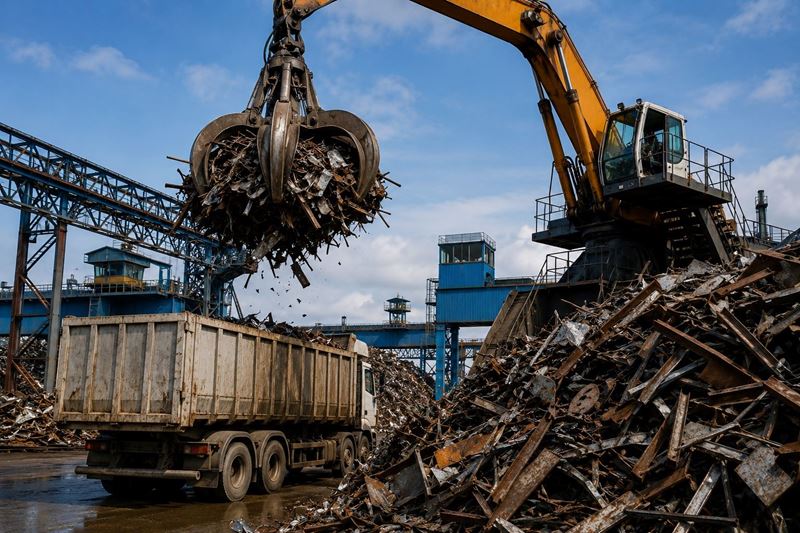
Saudi Arabia scrap market shows HMS at $430/tonne, while shredded scrap is trading near $447/tonne.





Comments
No comment yet.