


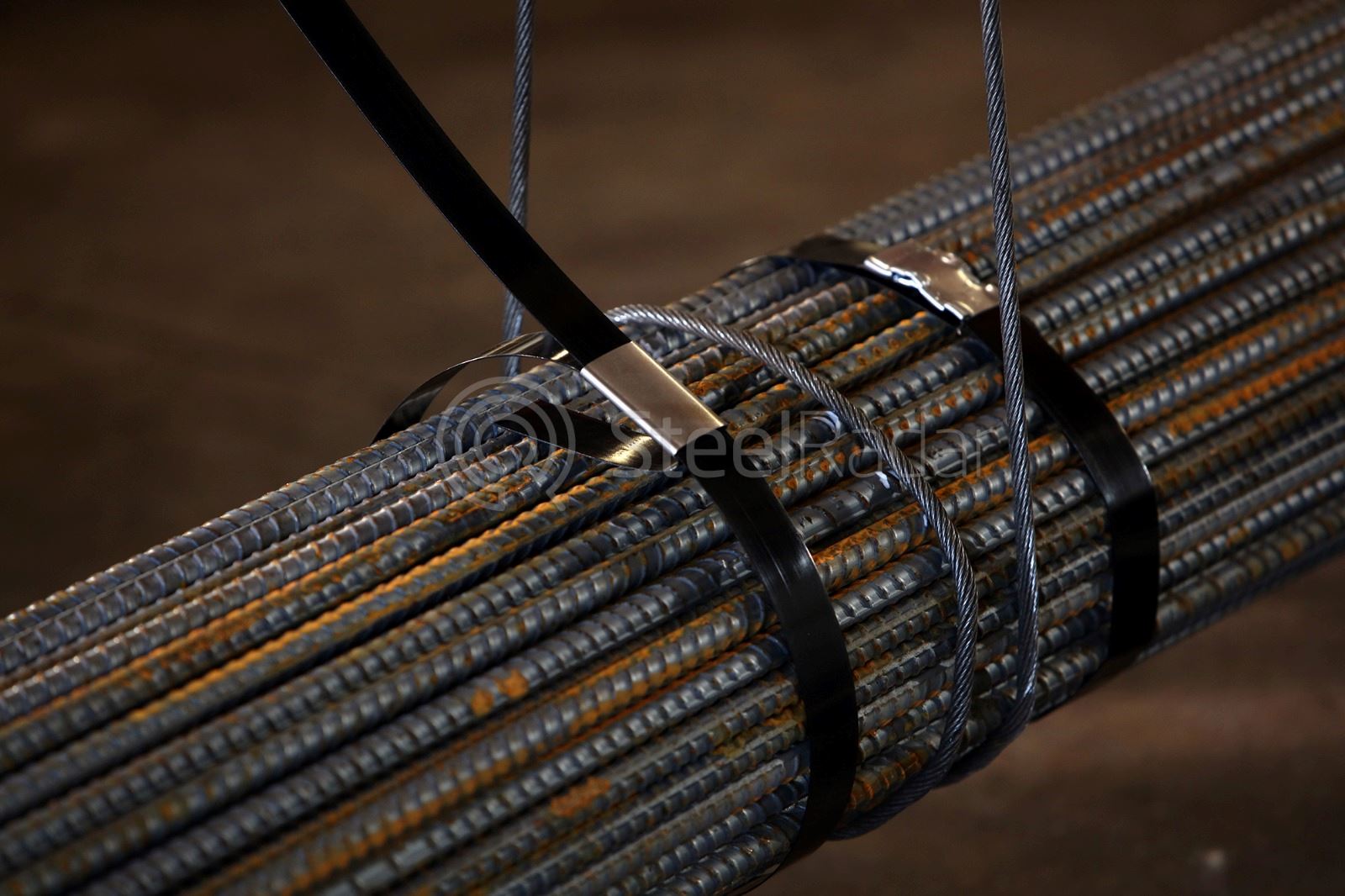
Fluctuating rebar prices reshape Egypt's industrial landscape
Rebar prices in Egypt are experiencing significant price hikes, ranging from EGP 37,000 to EGP 40,800 EXW, reshaping the competitive landscape and posing potential challenges for the construction and infrastructure sectors.
The rebar giants experiencing price hikes include:
Suez Steel: Prices increased from EGP 36,000 to EGP 38,500
El Marakby Steel: Witnessed a rise from EGP 38,000 to EGP 39,750
Egyptian Steel: Prices escalated from EGP 38,500 to EGP 40,500
Ashry Steel: Experienced an uptick from EGP 38,000 to EGP 40,000
Garhy Steel: Saw an increase from EGP 36,000 to EGP 37,000
Misr Steel: Prices moved from EGP 39,000 to EGP 39,750
El Komy Steel: Recorded a shift from EGP 38,500 to EGP 39,500
El Ola Steel: Prices adjusted from EGP 38,500 to EGP 39,000
Al Gioshy Steel: Witnessed a change from EGP 38,500 to EGP 39,000
However, amidst the market turbulence, two companies, Ezz Steel and Bishay Steel, have managed to maintain price stability. Ezz Steel's prices remain fixed at EGP 38,500, while Bishay Steel holds the highest fixed price at EGP 40,800.
Iranian customs have reinstated the directive to collect export duties
The announcement of export duties on minerals is expected to impact prices, but the likelihood of a price reduction is low due to the ongoing trend of exporting iron ore, concentrate, and pellets. The shortage of sponge iron, which will continue until mid-March, is a significant factor. Large factories with sponge iron quotas are affected, while small factories are reducing production and increasing waste prices, impacting billet production. The imposition of a 2% duty on billet and cancellation of export tax exemption could cost around $10 and $20 respectively, potentially undermining the competitiveness of a country's steel in global markets.
This week, there was a positive response to billet purchases in the stock market, indicating high demand for sponge iron. This will be followed by an increase in the supply of billet, which will sometimes be sold to meet the demand for rebar in the stock market. The current trend suggests that liquidity issues and price pressure are easing, linked to the limited supply of pellets and sponges in the stock market. An influential yet currently absent factor is the exchange rate, which holds considerable importance in determining next year's budget.
Saudi Arabia's October Trade Soars 7% to $47.45 Billion
In a notable economic development, Saudi Arabia has reported a substantial surge in its trade volume for the month of October, marking a significant 7% increase compared to the previous month.
According to data released by the General Authority of Statistics, the trade volume for October reached a robust SR178 billion ($47.45 billion), demonstrating a noteworthy uptick from the September figure of SR167 billion.
Total merchandise exports for October showed a modest uptick of SR15 million or 0.01% when compared to September. However, it's important to note that the overall merchandise exports for October experienced a decline of 17.4%, amounting to SR104.3 billion. This is in contrast to the same month in the previous year, which recorded a higher figure of SR126.2 billion.
Steel Prices Surge by $26 Following Red Sea Transportation Insurance Hike
Last week, Yemen experienced a $26 surge in the prices of steel and other products imported from Turkey. Anticipated further price hikes are expected in the upcoming days due to a rise in insurance costs for Red Sea transportation in Yemen, following an incident involving the targeting of the Strinda oil tanker in the Red Sea.
The recent events prompted Mukalla Iron and Steel in Yemen to implement a price increase for its domestic products. Yemen Rebar (12-32 mm) Hits $652/mt EXW as Mukalla Iron and Steel Implements $26 Increase Amid Rising Red Sea Transportation Insurance Costs
Iraq Takes Steps to Restrict Rebar Imports from Iran and Saudi Arabia
In response to growing concerns, the Iraqi government and rebar producers convened last week to address the surge in rebar imports from Iran and Saudi Arabia. The government, as of now, has yet to implement specific measures on this matter.
The government has, however, announced its commitment to tackling this issue in the next 3 weeks to 2 months. In related news, Iraq's rebar market has seen a recent uptick, with prices for Iraq Rebar (12-32 mm) reaching $595/mt EXW at Super Steel, reflecting a modest increase of $5.
UAE Rebar Price Change:
The Ex-Works (EXW) price for rebar has increased from $650 to $675. This shift is significant and may be influenced by various factors affecting the global steel market, including raw material costs, demand-supply dynamics, and geopolitical factors.
As of the latest update, the prices for key raw materials in the UAE steel industry remain stable. The billet is priced at $530, Hot Rolled Coil (HRC) at $620, and wire rod at $640. There have not been any recent changes in these values. The stability in raw material prices may impact the overall cost structure for steel production in the region.





Comments
No comment yet.