


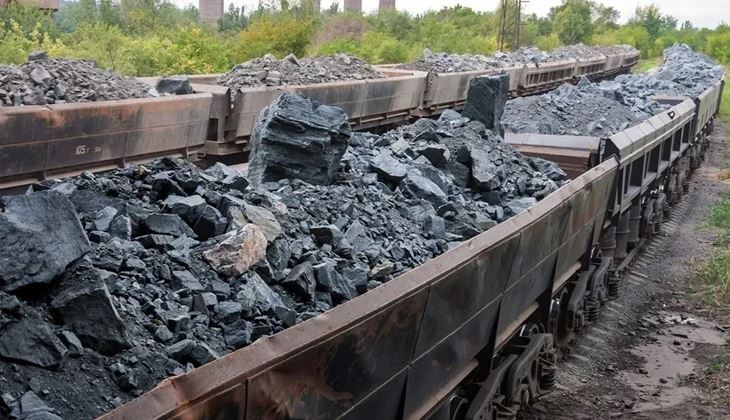
Iron ore futures on the Dalian Commodity Exchange for the week of January 13-20, 2023 decreased by 2.6% compared to the previous week.
May iron ore futures, the most traded on the Dalian Commodity Exchange, decreased to 865 yuan ($127.5) per tonne for the week of January 13-20, 2023, down 2.6% from the previous week.
February futures on the Singapore Exchange fell by 0.35% to $125.9 per tonne compared to the price on January 13.
Iron ore prices have remained high despite the recovery in China. The National Development and Reform Commission (NDRC) of the People's Republic of China on January 17 announced the third warning about excessive speculation in iron ore in a month. The state planner added that this will increase the oversight of futures and spot markets.
At the same time, the market quickly responded to reports of the Coronavirus situation in China, fearing a deterioration in demand. As a result, iron ore prices decreased. Potential risks have been associated with additional waves of COVID-19 in China.
China, among other things, is considered by large mining companies as a stabilizing factor for the demand for raw materials. This was stated by the BHP Group, which this week published an operational review for the first half of the 2022/2023 financial year. Announcing its 2022 results, Rio Tinto took a more cautious stance towards China, warning of risks, especially as China reopens after three years of isolation restrictions.
In the first two weeks of 2023 (as of January 13), iron ore futures on the Dalian Commodity Exchange increased to a 17-month high of 881 yuan per ton ($130.96/ton). Buyers think that there will be an increase in demand for raw materials on the back of expectations due to the recovery of the Chinese economy.
The Chinese iron ore market will face oversupply in 2023, as demand from steel producers is likely to decline. The domestic iron ore supply in China, including production from local mines and imports, is expected to increase by 23 million tons per year to 1.41 billion tons in 2023. At the same time, the total demand is estimated at the level of 1.39 billion tons, which is 3.6 million tons less than in 2022.



Comments
No comment yet.