


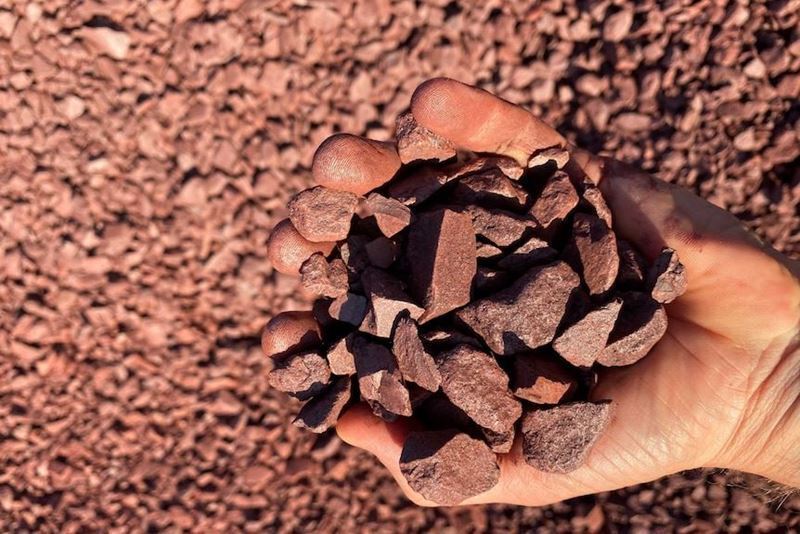
Iron ore futures lost value in China due to concerns that demand will weaken. These concerns outweighed the expectations of additional incentives to be implemented by the government.
On the Dalian Commodity Exchange (DCE), the most traded January iron ore contract DCIOcv1 decreased by 1.64% and was recorded at 111.38 USD. In addition, coke DJMcv1 decreased by 0.34% while cokeDCJcv1 increased by 1.07%.
On the Singapore Exchange, the January iron ore SZZFQ4 index decreased by 1.12% to 104.2 USD.
On the Shanghai Futures Exchange, prices generally followed a downward trend. Rebar SRBcv1 decreased by 0.15%, hot rolled coil SHHCcv1 by 0.17% and stainless steel SHSScv1 by 0.2%, while wire rod SWRcv1 increased by 0.7%.
While the statements made at the Politburo meeting regarding a looser monetary policy for next year continued to lift the market, commodity and raw material prices had increased further, but today, slight declines were recorded. In addition, concerns about weakening demand also affected the decline in commodity prices.
However, export and import data released by the General Administration of Customs of China showed softer demand at home and abroad in November 2024.
The country's iron ore imports decreased by 1.91% on a monthly basis in November 2024, as construction work was delayed due to cold weather conditions, which negatively affected demand.
Market analysts note that the profits of steel mills in China have declined and hot metal production has declined. On the other hand, the Chinese government signalled at the meeting that they are favourable to any additional incentives in order to prevent the US trade policies from suppressing economic growth in the country.
Market participants are currently cautious and are considering taking action after the meetings to be held in the coming weeks.





Comments
No comment yet.