


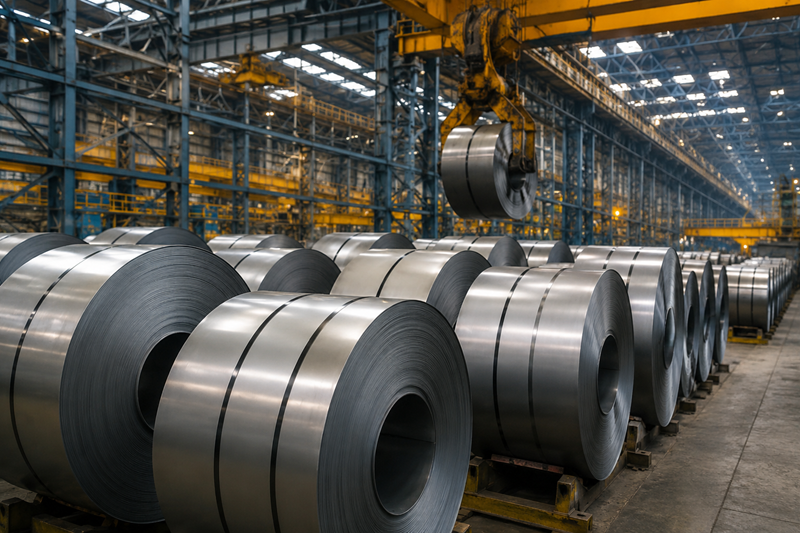
How do you evaluate the new steel tariff rate quota (TRQ) system that came into effect on July 1? What are your initial observations regarding the market’s reaction during the first days of implementation?
Personally, I believe the UK needs a new steel strategy, but the measures introduced under the current tariff quota system have gone too far. Customers are still looking for affordable steel in order to compete with competitors or imported finished products.
How will the new quota system and the 50% tariff imposed on out-of-quota imports affect steel prices, supply security, and the supply chain in the UK?
Looking specifically at Category A hot-rolled coil (HRC) products, I believe this situation effectively paves the way for TATA UK to establish a monopoly position in the UK market. This will begin to harm service centers that compete with TATA’s distribution network in the UK.
We are already seeing significant price increases in imported steel because companies do not want to take the risk of exceeding quotas and paying the 50% tariff. Margins in the steel sector are not high enough to absorb these additional costs.
If imports decline due to the new system, do you think domestic producers in the UK have sufficient capacity to meet the resulting demand?
Looking at TATA, the only Category A producer in the UK, and Liberty Steel Newport, which is currently mothballed, there is not enough capacity to provide the range of products required by UK buyers.
For example, products with widths of 1,830–2,000 mm are not produced in the UK, and these dimensions are particularly important for the yellow goods and agricultural equipment sectors.
TATA is currently producing using imported slab because the new electric arc furnace (EAF) at its Port Talbot facility has not yet started operations. I believe commissioning this facility will likely take at least another 12–24 months.
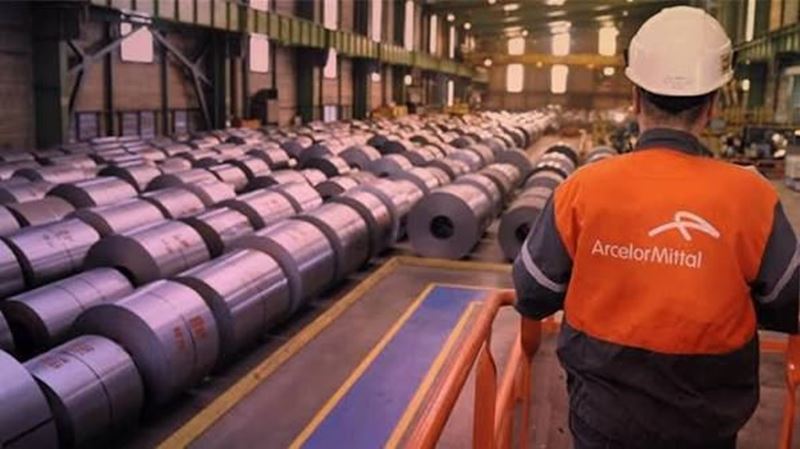
Therefore, steel imports from Europe will continue (from producers such as NLMK, Thyssenkrupp, ArcelorMittal, Tata Netherlands, and SSAB). Demand in the UK has not increased. Therefore, controlling import volumes may be positive, but the current tariffs and quotas do not sufficiently consider their impact on the downstream segments of the UK steel supply chain.
From the perspective of Türkiye and other exporting countries, how do you expect the new measures to change competitive conditions in the UK steel market?
It is difficult to say because I have only been working for a Türkiye-based steel trading company for seven months. However, I believe this development will have negative consequences. These measures will either push suppliers away from the UK market or force them to compete with lower prices in order to absorb the tariffs into their pricing. As a result, pressure on producers and traders will increase further.
Looking ahead to the next 6–12 months, what do you see as the biggest risk and the biggest opportunity for the UK steel market?
I believe the risks outweigh the opportunities. The main risks will be tariffs and ensuring that materials are delivered on time and cleared through customs smoothly when quotas become available.



Comments
No comment yet.