


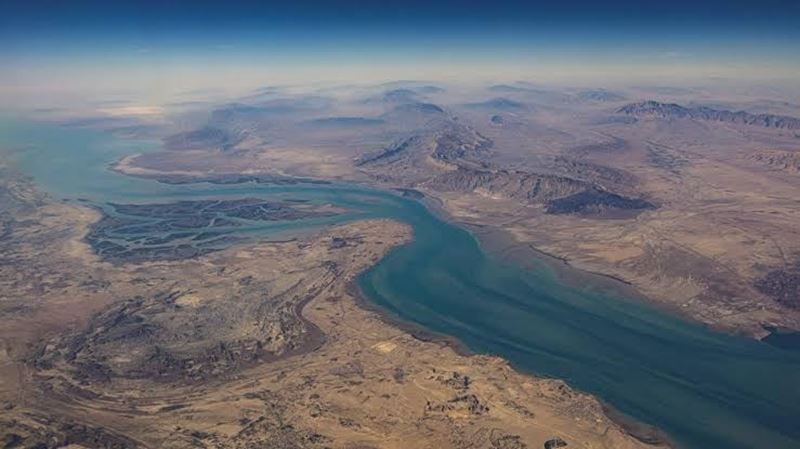
According to Iran’s official news agency IRNA, Hasan Kashkavi, spokesperson for the Parliament’s National Security and Foreign Policy Commission, said the commission continued discussions on a bill titled the “Strategic Action Plan to Ensure the Security and Development of the Strait of Hormuz” during its latest meeting.
Kashkavi said Article 3 of the bill, which had been postponed during the previous meeting, was approved. Under the approved provision, vessels would be required to pay fees for maritime, environmental, emergency refueling, insurance, security and other services provided in the Strait of Hormuz.
Fees to Be Collected in Iranian Rials or Another Currency Determined by Tehran
According to Kashkavi, the fees would be collected from vessels belonging to countries authorized to transit the Strait of Hormuz, either in Iranian rials or in another currency to be determined by the Iranian government.
Kashkavi said the bill also takes into account the rights of countries bordering the Strait of Hormuz. He noted that, alongside recognizing freedom of navigation within the framework of international law and regulations, the bill emphasizes respect for the security and sovereignty of coastal states and the prevention of violations of these rights.
Referring to the specific rules and conditions governing the Strait of Hormuz and the Persian Gulf, Kashkavi also recalled a political declaration issued by Oman following its accession to the 1982 United Nations Convention on the Law of the Sea (UNCLOS). He said Oman had emphasized that the provisions of the convention should not undermine the country’s national sovereignty or national security.
Legislative Process to Continue Before the Bill Can Become Law
The commission’s approval of the relevant provision does not mean that the measure has entered into force. Under Iran’s legislative process, once the commission completes its review, its report must be submitted to the Parliament’s plenary session, where the bill’s individual articles and the bill as a whole will be put to a vote.
If approved by the plenary, the bill will be submitted to the Guardian Council for review in terms of its compliance with the Constitution and Islamic criteria. If the Council raises objections, the bill will be returned to Parliament for further consideration. If disagreements persist, the Expediency Discernment Council may become involved in the process.
Following completion of the required approval procedures, the legislation will be promulgated by the President and enter into force.
Warning of Penalties for Non-Compliant Vessels
Meanwhile, Iran’s Persian Gulf Seaway Administration (PGSA) said some vessels that fail to comply with the country’s designated transit regulations could face penalties, including fines, detention or confiscation, during subsequent transits.
The PGSA advised companies transporting cargo to or taking cargo from the Persian Gulf to check the latest list of vessels with previous violations before chartering ships.
The authority also stated that other vessels cooperating with ships on the list in operations such as ship-to-ship cargo transfers, transshipment and similar activities could themselves be added to the list.







Comments
No comment yet.