


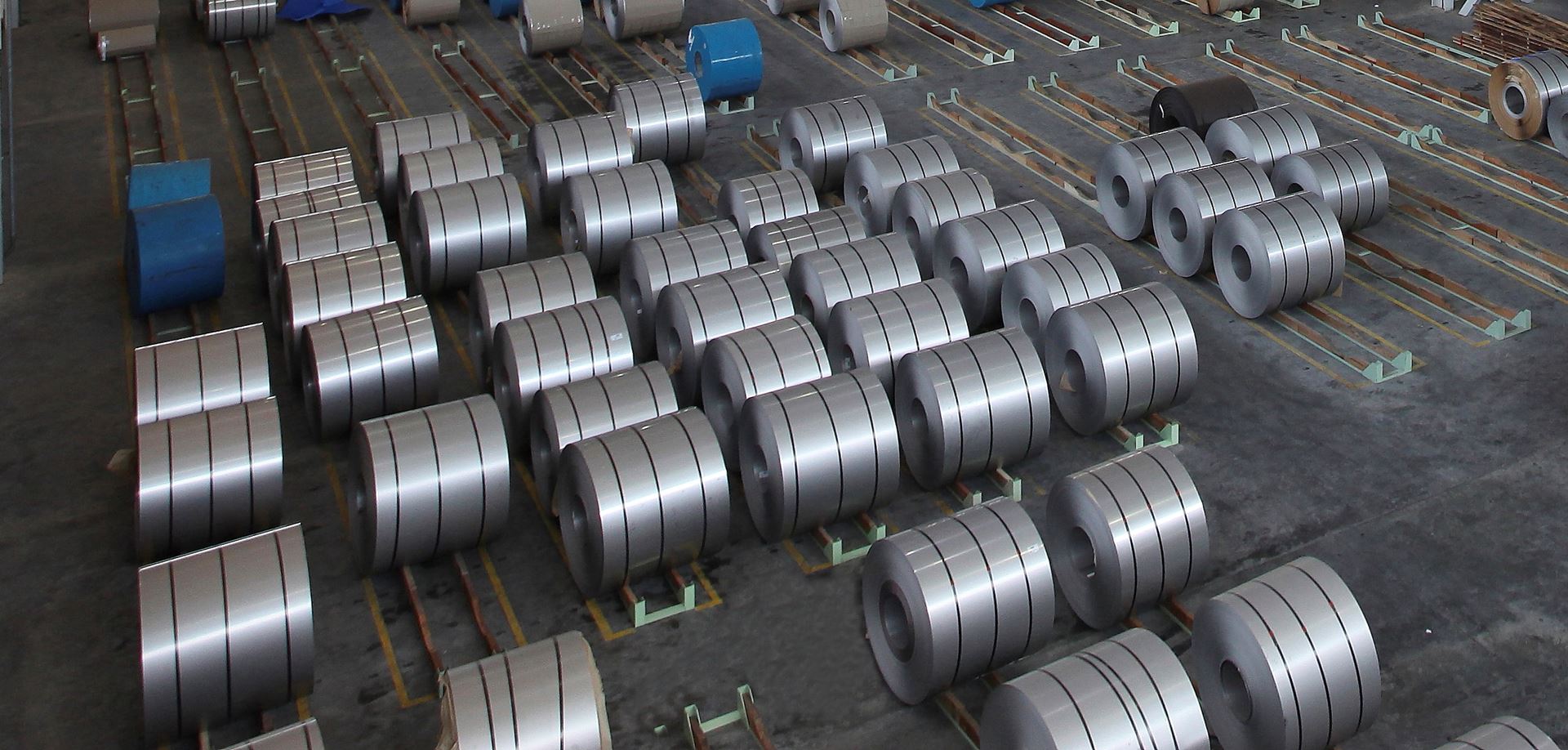
India's hot rolled coil (HRC) imports are expected to rise by nearly 85% to 1.35 million tonnes in the second quarter of FY25 (July-September 2025) compared to 0.73 million tonnes in the second quarter of FY24. On a quarterly basis, second-quarter FY25 volumes are expected to increase by approximately 69% from 0.80 million in the first quarter. Approximately 80% of India's steel imports consist of hot rolled coils.
Several factors are driving this increase in imports. Domestic mills worldwide reduced prices to address this lower demand. While European mills attempted to increase domestic prices, buyers resisted any hikes. Chinese HRC export offers fell from USD 542/t FOB in May to USD 512/t by mid-July. Japanese prices decreased from USD 568/t to USD 540/t FOB due to the depreciating Yen, and Russian quotes dropped from USD 562/t FOB to USD 545/t. In Vietnam, Hoa Phat's HRC prices fell to around USD 555/t CIF HCMC (Ho Chi Minh City) in mid-July, down from USD 580/t in May, while Formosa's prices declined to USD 575/t from USD 605/t during the same period. Baosteel, the world's largest steelmaker, recently reduced its HRC offers for August sales by USD 14/t month-on-month.
India, with its free trade agreement with Vietnam, has become a lucrative market for Vietnamese steel mills and exporters. Additionally, the Indian government renewed the long-pending Bureau of Indian Standards (BIS) license of Vietnamese steel major Formosa Ha Tinh in the first half of May 2024. These BIS certifications had been delayed since April-May last fiscal year to curb the influx of cheap imports, particularly from China and Vietnam. Following Formosa's license renewal, import bookings from Vietnam into India surged alarmingly month-on-month. In June 2024, volumes almost doubled to 195,000 tonnes from 100,000 tonnes in May, with July figures surpassing 200,000 tonnes month-on-month.
The price gap between domestic steel and imports also widened in favor of imports. In July, HRC imports from Vietnam averaged INR 48,500-49,000/t (USD 575-585/t) and HRC imports from China averaged INR 50,500/t (USD 605/t). In contrast, domestic HRC prices in India averaged INR 52,500-53,000/t (USD 625-630/t) in mid-July. This price gap has widened in favor of imports, especially since April 2024. Although HRC prices from Mumbai declined on a monthly basis after a slight increase in May, they remain more expensive compared to imports from China. The differential widened from USD 20/t in April to USD 43/t in June and reached USD 38/t in mid-July as offers from China continued to fall.
According to market experts, the domestic market remains under pressure from sluggish domestic and export demand. Moreover, if imports continue to grow exponentially every month, Indian producers will struggle to maintain competitive prices, experts said.




Comments
No comment yet.