


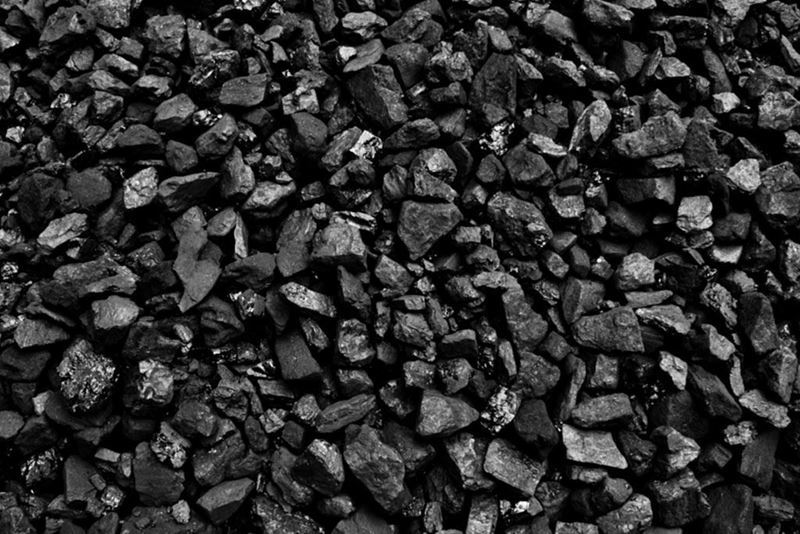
Under the regulation prepared by the central government, it will become mandatory for all newly established steel production facilities to use domestic coking coal at a rate of 30%. This step is stated to be shaped within the framework of the “Atmanirbhar Bharat” program, which aims to strengthen the country’s industrial independence and reduce external dependency.
With the new policy, India aims to restructure its raw material supply in steel production and increase the use of domestic resources. In this context, the decision is considered part of a strategy to build a more resilient industrial structure against fluctuations in global supply chains. At the same time, the regulation is also directly linked to the country’s long-term production capacity targets.
Currently, the share of domestic coking coal usage in India’s steel industry is at around 10–12%. Increasing this ratio to 30% with the new regulation implies significant changes in design and production processes, particularly for newly built facilities and capacity expansion projects.
India’s target to increase its steel production capacity to 300 million tons by the 2030–31 fiscal year is also expected to drive a strong rise in coking coal demand. Considering the widespread use of blast furnace and basic oxygen furnace technologies in the sector, raw material demand is expected to increase significantly in the coming years.



Comments
No comment yet.