


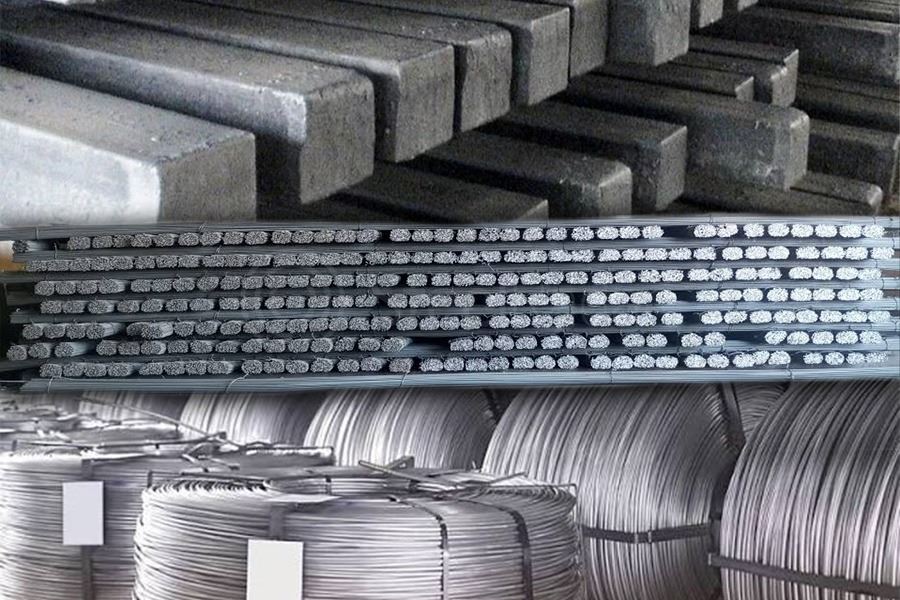
During the week of June 26 – July 2, the Turkish long steel market was characterized by weak demand, low trading volumes, and stable price trends across the rebar, billet, and wire rod segments. Producers largely maintained their offers due to elevated raw material costs, while cautious buying sentiment in both the domestic and export markets kept new sales limited.
In the rebar segment, prices generally moved sideways throughout the week, with only limited regional changes. As of July 2, Istanbul spot rebar prices increased by TRY 100/t week-on-week to TRY 33,000/t, while prices in Payas rose by TRY 200/t to TRY 32,000/t. Meanwhile, prices remained unchanged at TRY 31,800/t in Izmir and TRY 32,600/t in Karabük. Although these regional increases reflected producers' efforts to pass higher costs on to the market, weak demand prevented broader price gains, leaving the overall market trend largely unchanged.
The billet market also experienced a quiet week. Domestic producers' export offers remained at $545/t FOB, while imported billet offers were heard at around $510/t CFR Türkiye. With only a limited price gap between domestic and imported material, buyers continued to make purchases only on a needs basis rather than committing to large-volume deals. Firm scrap costs also left producers with little room for price reductions, resulting in no significant movement in billet prices.
The wire rod market also remained under pressure from weak demand throughout the week. Turkish producers' export offers for mesh-quality wire rod were unchanged at $590/t FOB, while buying interest from both Europe and nearby export markets stayed limited, slowing new sales. In the domestic market, consumers preferred to maintain existing inventories and continued purchasing only according to immediate requirements, weighing on trading activity. Despite the sluggish demand, producers were reluctant to reduce prices due to persistently high scrap and production costs. As a result, the wire rod market maintained stable prices, although trading volumes remained weak.
Overall, producers in the Turkish long steel market continued to defend their prices against ongoing cost pressures, while buyers remained cautious in anticipation of lower price levels. This imbalance kept trading activity subdued and prices moving within a narrow range throughout the week.
Looking ahead, the direction of the market will largely depend on developments in scrap prices, a potential recovery in export orders, imported billet availability, and the pace of construction activity in the domestic market. Unless demand shows a meaningful improvement, the current sideways trend across the long steel market is expected to continue.





Comments
No comment yet.