13,744.64 TRY BIST 100 BIST 100
46.30 USD USD USD
6.89 CNY CNY CNY
53.73 EUR EUR EUR
0.13 CNY CNY/EUR CNY/EUR
43.69 TRY Interest Interest
93.67 USD Fossil Oil Fossil Oil
6.21 USD Copper Copper
94.66 USD Silver Silver
101.28 USD Iron Ore Iron Ore
400.00 USD Shipbreaking Scrap Shipbreaking Scrap
6,089.00 TRY Gold (gr) Gold (gr)
101.00 USD Iron Ore 61% Fe Iron Ore 61% Fe

Rebar prices are falling in South Korea

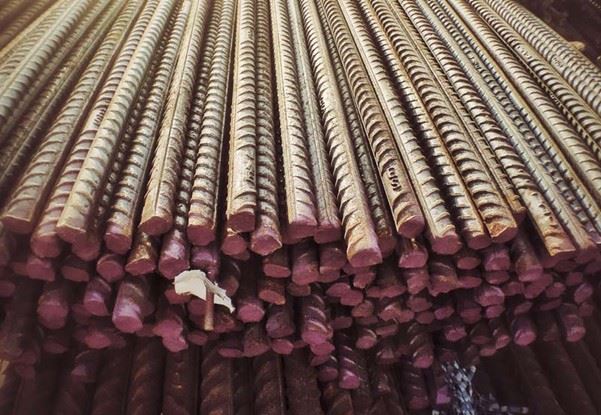
In the second half of the year, rebar prices fell below 700,000 KRW (509 USD) per tonne due to weak demand in the construction industry. Although the price increase expectation of low-cost inputs is high, the stagnation in the steel market continues.

Rebar prices are falling in South Korea

In the first week of June, the domestic hot rolled steel price remained the same as the previous week at 820,000 KRW (596 USD) per ton. Despite the price increase announcements made by steel companies last month, there has been no significant change in the market.

The distribution price of heavy plates also remained unchanged at 970,000 KRW (705 USD) per ton. According to industry sources, the stagnation of domestic demand causes steel prices to remain flat. Efforts to increase prices, especially in flat products, were limited due to low demand in the market.

Due to the weak construction economy, rebar prices have fallen below 700,000 KRW (509 USD) per ton. In the first week of June, the rebar distribution price decreased by 1.4% to KRW 695,000 (USD 505) per ton. Steel companies, struggling with increasing inventories, are making cuts in high-strength production. Due to the stagnant construction market, the operating rate of steel plants is expected to remain around 60%.

As the slowdown in the steel market continues, the slow recovery in demand and the influx of low-priced goods are weakening product prices. Imports from China negatively affect the domestic industry. According to the Korea Iron and Steel Association, China's steel imports increased by 2.8% in the January-May period, reaching 4.07 million tons. However, the price of imported hot rolled products increased to 790,000 KRW (574 USD) per ton, narrowing the price gap with domestic products.

The decline of low-cost steel products, especially from China, may improve domestic market conditions. However, for now, stagnation in steel prices and weak demand stand out as the biggest challenges facing the industry.

Comments

No comment yet.

Only +plus subscribers can access this content.

SUBSCRIBE now to share your thoughts on the markets and get more comments.
SUBSCRIBE If you already have an account Sign In

Most read news

Far East iron ore market shows limited decline and sideways trend

Wednesday, June 17, 2026

ArcelorMittal, thyssenkrupp Steel and voestalpine call for ETS reform for European steel

Wednesday, June 17, 2026

ArcelorMittal Poland plant receives largest iron ore shipment in its history

Wednesday, June 17, 2026

India requests USD 900 million steel quota to break trade deal deadlock with United Kingdom

Wednesday, June 17, 2026

The ISO 500 2025 Rankings Have Been Announced: Steel Companies Shift Positions

Wednesday, June 17, 2026
Follow List
Expand
Your watch list is empty

Add your favorite commodities for quick access and don't miss the latest price change news.


There are no news categories you follow
Edit Notification Preferences
E-bulletin subscription
Sign up to receive the latest news and daily iron prices by e-mail and sms
Become a Plus Subscriber Now!
Try it free for 3 days!
Subscribe Now
Neutral Prices
Be informed
Provincial Iron Prices
Comments and Analysis
Subscribe Now