


According to the company’s statement, consolidated sales reached 17.876 trillion won, operating profit 707 billion won, and net profit 543 billion won in the first quarter. Operating profit increased by 24.3% year-on-year, while net profit rose by 57.9%. The increase was mainly driven by the recovery in the battery materials segment.
The recovery in lithium prices supported the battery materials business, contributing to a significant reduction in losses at subsidiaries such as POSCO Argentina SAU and POSCO Pilbara Lithium Solution. The company recorded operational improvement alongside increased production in this segment.
POSCO Future M, a group subsidiary, reported first-quarter sales of 757.5 billion won and operating profit of 17.7 billion won. Despite cost pressures in the steel segment, the battery materials segment remained the main driver supporting the group’s profitability. The company also plans a new facility investment for LFP cathode material production for energy storage systems (ESS).
In the steel segment, profitability declined due to the appreciation of the won and rising raw material costs. However, contributions from overseas subsidiaries helped balance overall performance.
On the infrastructure and energy side, POSCO International continued its growth with strong natural gas sales. The company also drew attention with increased production at Senex Energy in Australia.
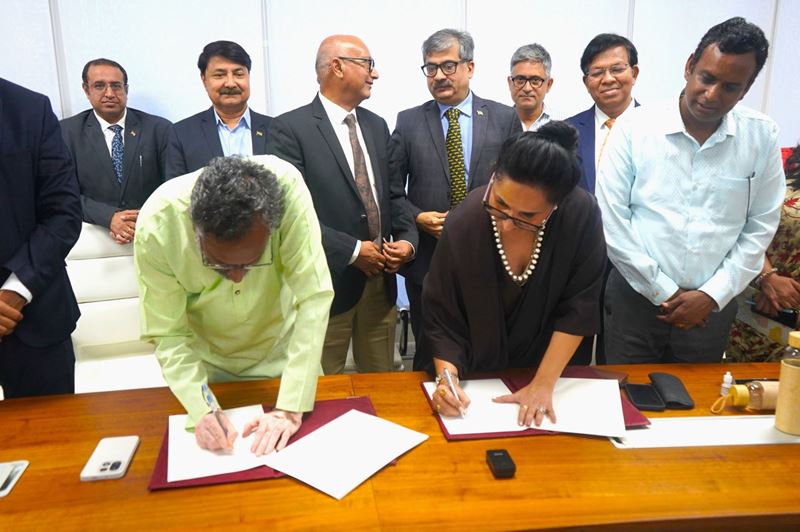
As part of its growth strategy, the group signed a joint venture agreement with JSW Steel in India to establish an integrated steel production facility with an annual capacity of 6 million tons. It was also stated that investments in hydrogen-based steel production are being accelerated and carbon-neutral production targets remain in place.
Meanwhile, land approval was obtained for a hydrogen-based iron reduction project in Pohang, South Korea, and preparations are underway to commission a new electric arc furnace at the Gwangyang plant.
Among group companies, LG Chem reported an operating loss of 49.7 billion won despite a recovery in the petrochemical segment; however, the loss narrowed compared to the previous quarter.
Samsung Heavy Industries increased its operating profit by 122% thanks to strong ship deliveries, while Hanon Systems significantly improved its profitability through cost efficiency and demand for hybrid vehicles.



Comments
No comment yet.