


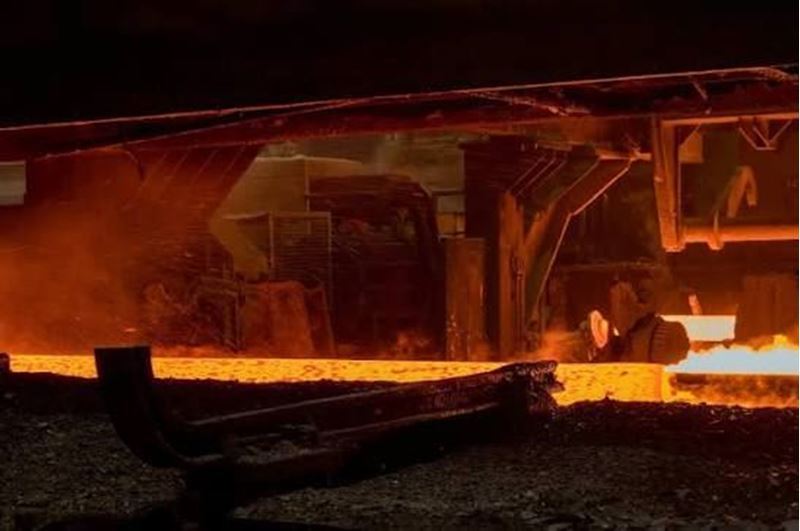
Under the new system, steel melting plants, rerolling mills and integrated facilities will pay a sales tax of either Rs 5 or Rs 30 per unit of electricity consumed, depending on the applicable category.
The SRO 1245(I)/2026 regulation issued by the FBR on July 31, 2026, entered into force on August 4, 2026. Under the regulation, electricity distribution companies (DISCOs) will collect the prescribed sales tax by adding it to the monthly electricity bills for each unit of electricity consumed in production by registered steel manufacturers.
The legal basis for the measure is the relevant provision under sub-section 2 of Section 6 of Pakistan's Sales Tax Act 1990. The FBR also issued three separate Sales Tax General Orders (STGOs) regarding the implementation and compliance process.
Tax rate to be determined by source of scrap
The amount payable by steel producers will be determined based on whether the scrap used during the previous 12 month period was imported or locally sourced.
Steel melting and integrated plants that primarily use remeltable scrap sourced locally will be charged a sales tax of Rs 30 per unit of electricity consumed.
For plants where imported scrap accounts for more than %70 of total scrap purchases, the rate will be Rs 5 per unit of electricity consumed. Scrap purchased from importers operating under the Export Facilitation Scheme will also be considered imported scrap.
As part of the implementation, the FBR initially published a list of 99 registered producers on August 4. Following verification of imported scrap usage ratios, the number of companies eligible for the Rs 5 rate was revised to 31 under STGO 16 of 2026, published on August 6.
Tax to be collected through electricity bills
Under the new system, the sales tax collected through electricity bills will not be considered a separate and direct cost for producers. The amount collected can be offset against the producer's sales tax liability arising from its sales.
The system requires data on the source of scrap used in steel production and electricity consumption at the facilities to be assessed together. The applicable rate for each producer will be determined according to lists prepared by the FBR.
Under the FBR's new regulation, electricity consumption has become a direct component of the sales tax collection mechanism for steel producers in Pakistan.



Comments
No comment yet.