


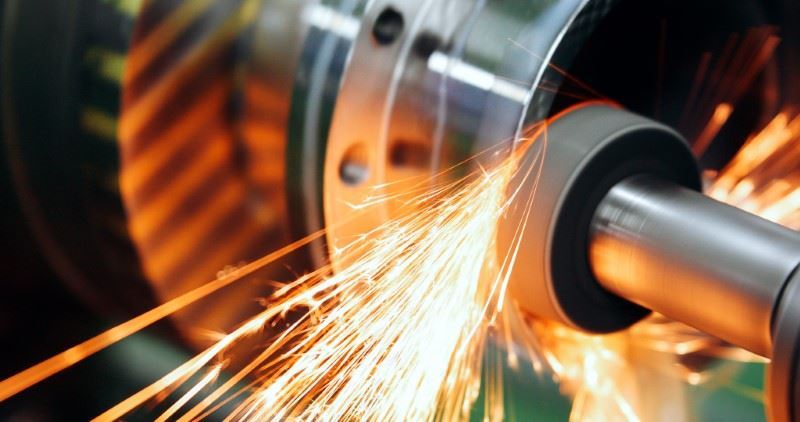
The price of steel has climbed all year; According to one index, the futures price of one ton of hot rolled steel coils rose to approximately $1,923 from $615 last September. Meanwhile, the price of iron ore, the most important component of the steel business, has dropped more than 40% since mid-July. Demand for steel is rising, but demand for iron ore is falling.
A number of factors explain the high prices of steel futures – among them, the Trump administration's tariffs on imported steel and suppressed demand in post-pandemic production. However, China, which produces 57% of the world's steel, also plans to cut its production this year, affecting both the steel and iron ore markets at the same time.
China cuts steel production
In a bid announced to reduce pollution, China is downscaling its steel industry, which produces between 10% and 20% of the country's carbon emissions. (Aluminum smelters in the country face similar restrictions.) China also raised export tariffs on steel; For example, from August 1, the tariff for ferrochrome, a stainless steel component, was doubled from 20% to 40%.
“We expect China's crude steel output to decline over the long term,” says Steve Xi, senior adviser at research firm Wood Mackenzie. "As a heavily polluting industry, the steel industry will continue to be a key sector in China's environmental protection efforts over the next few years."
Xi observed that the production cuts resulted in lower iron ore consumption. He said that some steelmakers have even emptied some of their iron ore inventories and raised alarms in the market. "Panic spread to traders and resulted in the decline we saw."
Mining companies are also adjusting themselves to China's new production targets. “The prospect of escalating sharp cuts in steel production in China in the current half-year is testing the bullish stability of the futures markets, as confirmed by China's top industry body in early August,” said the Anglo-Australian BHP vice president.
China's tightening of the world's steel supply indicates that shortages in many products will continue until demand and supply stabilize after the pandemic. Auto companies, for example, are dealing with a shortage of semiconductor chips; A Ford executive told CNBC that steel is now part of the "new crisis" of raw materials.
In 2019, the USA produced 87.8 million tons of steel - less than a tenth of China's 995.4 million tons, according to the World Steel Association. Therefore, while American steelmakers are producing more steel than they have had since the 2008 financial crisis, it will take some time for them to fill the gap created by the Chinese cuts.





Comments
No comment yet.