


The price of the March futures contracts traded at TTF, the Netherlands-based virtual natural gas trading point with the most depth in Europe, was 128.31 euros on 24 February. The price of the September futures contracts, which opened at 272 euros per megawatt-hour yesterday, closed the day at 292.15 euros per megawatt-hour. Thus, the natural gas price, which reached its highest closing level yesterday since the beginning of the war, increased by 127.6 percent in the last 6 months.
Prices, the sanctions that the EU's war began to apply were effective. Russia's reduction in imported fossil fuels caused the natural gas flow to be interrupted.
Gas shipments to Europe reduced from 167 million cubic meters to 100 million cubic meters
In a statement, the Russian energy company Gazprom announced that gas shipments to Europe via the Nord Stream line were reduced from 167 million cubic meters to 100 million cubic meters on June 14, and as of June 16, the company announced that natural gas could be supplied up to 67 million cubic meters per day via the line.
Declaring that it has reduced its daily natural gas delivery capacity to Europe via the Nord Stream pipeline to 20 percent on July 27, Gazprom recently announced that natural gas deliveries made through the pipeline on August 19 will be suspended between August 31 and September 2 due to maintenance. . The EU aims to reduce its natural gas imports by two-thirds by the end of this year, and to pursue a downsizing policy.
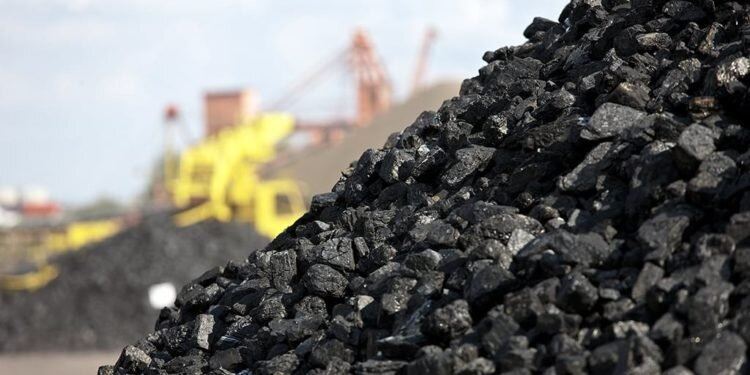
While the ton of March contract coal traded in the API2 Rotterdam Coal Futures Market was traded at $ 192.35 on February 24, it rose to $ 376.95 yesterday, showing an increase of 96 percent in 6 months.
Coal hits highest level since war
The price of coal hit its highest close since the war at $398.45 on March 2nd.
Russia has completely stopped imports of coal and other solid fossil fuels due to newly enacted sanctions on 10 August. Before the war, Russia's share in the EU's coal imports was around 45 percent.
With the entry of Russia, one of the world's largest coal producing countries, into Ukraine, the supply concerns in the markets supported the rise in prices.
Oil prices continue to rise
Brent crude oil, which was traded at $99.08 on the first day of the Russia-Ukraine War, was traded at $101.75 a barrel at the end of the day, while the increase in the price of this product in 6 months was 2.7 percent. In the same period, the price of a barrel of West Texas Intermediate (WTI) crude oil increased by 1.7 percent.
The 6th sanctions package, one of the biggest sanctions adopted by EU countries since the beginning of the Russia-Ukraine War, was approved at the beginning of last month. Within the scope of this package, the EU is planning to cut off the supply of crude oil from Russia by sea as of December 5, and the supply of refined products as of February 5.
The EU's crude oil imports from Russia average 2.2 million barrels per day, while oil products purchases are at the level of 1.2 million barrels.
EU countries' search for new suppliers continues
EU countries, which supplied approximately 11 million barrels of crude oil and approximately 30 percent (3.4 million barrels) of oil products imported from Russia last year, continue to seek new suppliers.
After the embargo imposed on Russian oil by the USA and European countries, the concerns that the supply will shrink are increasing. Uncertainties about Russian oil production and limited production increases of the OPEC+ group have caused oil prices to fluctuate around $45 per barrel in the last 6 months.
It was determined that the price of Brent oil per barrel increased to 139.13 dollars on 3 March, the highest level since July 2008, and decreased to 91.50 dollars on 17 August. The barrel of WTI crude oil, on the other hand, was $130.50 on March 7, and fell to $85.75 on August 16.
Plans to release a total of 240 million barrels of crude oil from the strategic oil reserves of some western countries, led by the USA, to the market in April-October limited price increases, albeit temporarily.
While the pressure of inflation due to high energy prices adversely affected the demand outlook, the world's second largest oil consumer country caused a serious decrease in oil demand due to China's strict epidemic measures.






Comments
No comment yet.