


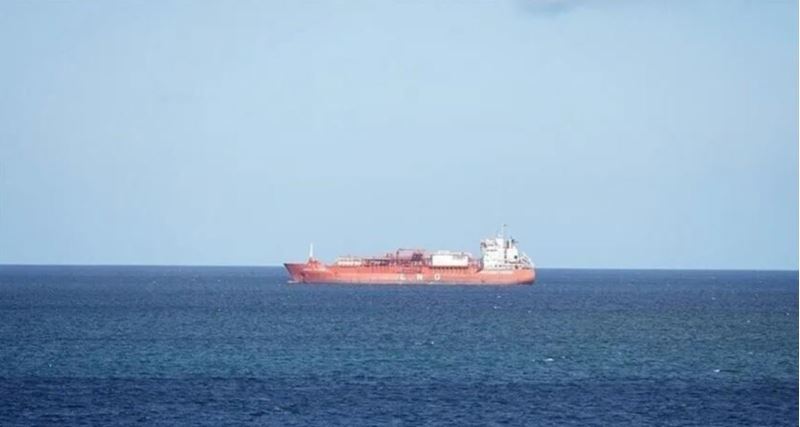
According to the International Energy Agency’s (IEA) Mid-Year Electricity Market Update report, the impact of rising LNG prices varied depending on countries’ energy structures. Electricity prices increased in European and Asian countries where natural gas prices are sensitive to LNG markets and where natural gas power plants play a decisive role in electricity generation.
In contrast, the impact of price increases remained lower in countries with strong renewable energy generation, increased battery capacity, limited reliance on imported LNG for electricity production, and access to cost-effective domestic natural gas resources.
Electricity prices increased in Europe and Asia
According to the data in the report, average wholesale electricity prices in the European Union increased by 15 percent in the first half of 2026 compared with the same period last year. Electricity prices in Japan rose by more than 30 percent in the second quarter, while prices in Australia and India declined by 30 percent and 7 percent, respectively.
According to IEA data, between March 2 and July 16, Asian spot LNG prices increased by an average of 65 percent compared with pre-crisis levels, while Europe’s benchmark natural gas price TTF rose by more than 50 percent.
According to the agency, two main factors influenced the transmission of higher LNG prices to electricity markets. These were the extent to which countries’ natural gas prices are affected by LNG costs and the share of periods when natural gas power plants determine electricity prices.
In Japan, LNG prices increased by approximately USD 40 per thermal megawatt-hour in March compared with pre-crisis levels, resulting in an increase of around USD 75 in third-quarter electricity futures prices.
In Europe, natural gas prices increased by approximately USD 30 per thermal megawatt-hour, while electricity futures prices rose by around USD 60 in Italy, USD 40 in the United Kingdom, and USD 30 in Germany.
Renewable energy reduced price pressures
Across the EU, average wholesale electricity prices in the first half of the year stood at approximately USD 105 per megawatt-hour. Prices increased by 18 percent in Italy and 17 percent in Germany, while Spain recorded a 16 percent decline thanks to strong wind and solar energy generation and high hydroelectric reserves.
In Australia’s National Electricity Market, the average wholesale electricity price declined by 30 percent in the first half of the year to USD 49 per megawatt-hour. New battery investments helped create a more balanced distribution of electricity generation throughout the day, reducing the need for expensive natural gas and coal power plants during periods of high demand.
In India, developments in the Middle East had a limited impact on electricity prices due to the restricted share of imported LNG in electricity generation. Average wholesale electricity prices in the country fell by 7 percent in the first half of the year to USD 48 per megawatt-hour.
Domestic gas advantage limited impacts in the US
In the US, low-cost domestic natural gas resources limited the impact of rising global LNG prices on electricity markets. Wholesale electricity prices in the country increased by 10 percent in the first half of the year to USD 52 per megawatt-hour, largely due to the effects of extreme cold weather conditions in January.
The US Energy Information Administration (EIA) expects electricity prices to decline by 8 percent in the second half of the year to approximately USD 48 per megawatt-hour.
According to the IEA’s assessment, new LNG export projects in North America, increased supply capacity from other producer countries, and the rising share of renewable energy in electricity generation helped limit the impact of the current energy crisis on electricity prices compared with the 2022 energy crisis.





Comments
No comment yet.