


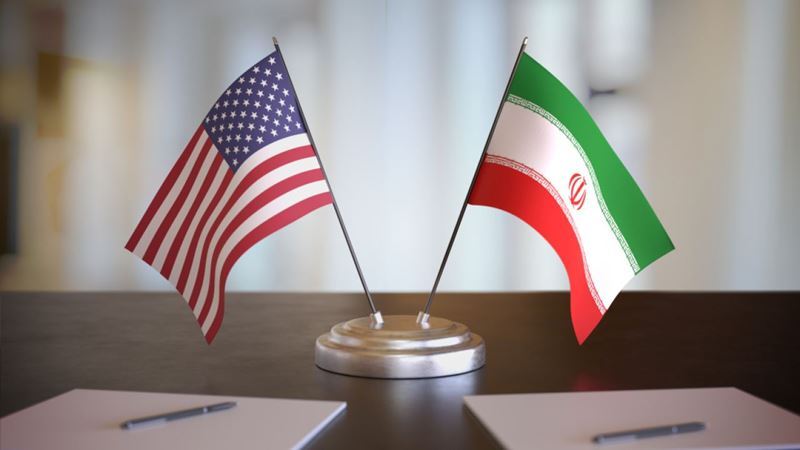
Six months into the war that began with US and Israeli attacks on Iran, tensions between the parties appear to be rising again. Following the breakdown of the preliminary ceasefire reached in June, there has also been no significant progress in diplomatic efforts to end the conflict.
After military activities remained largely suspended throughout August, mutual attacks have resumed. The US Central Command announced on Saturday that it had struck three Iranian oil tankers after Iran’s Islamic Revolutionary Guard Corps launched a ballistic missile attack against two US Navy vessels.
Following these developments, Ghalibaf said on Sunday that the US should take the new conditions in the region into account. The Iranian Parliament Speaker stated that any further attacks targeting the country’s interests and security would result in a more severe response.
Plan to Establish a Restricted Zone Around the Strait of Hormuz
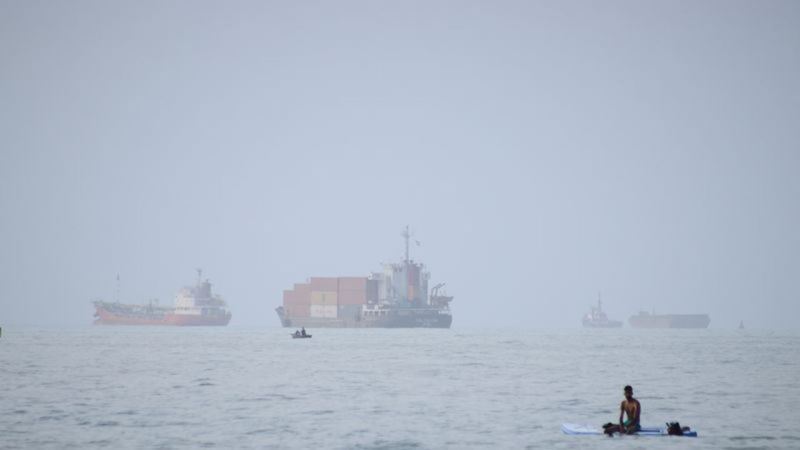
Mohsen Rezaei, Secretary of Iran’s Supreme National Security Council, also announced a new step that could further escalate tensions in the region. Rezaei said that a restricted zone would be declared outside the Strait of Hormuz in the coming days.
Rezaei said that some areas in the Gulf would also be included in the zone. While details of the implementation remain unclear, vessels entering the designated area would reportedly be placed on the sanctions list.
Economic Pressure on Tehran’s Agenda
While the Iranian government is dealing with military tensions, it is also seeking to reduce the impact of US sanctions on the economy. According to three senior Iranian sources, US policies aimed at limiting oil exports and preventing sanctions-evasion methods are increasing pressure on Tehran.
Ghalibaf said economic problems had become as important as the military front, drawing attention to production and people’s living conditions. Sharp movements in the exchange rate, high inflation, unemployment and market management were cited among the main challenges facing the Iranian economy.
The Iranian Parliament Speaker said that the public could withstand economic difficulties but would not tolerate mismanagement and delays, stressing that the government needs to take rapid action.
Iranian Economy Minister Ali Madanizadeh also said that they plan to respond to US economic pressure through reforms. Madanizadeh rejected assessments that sanctions would force Iran to change its current policies.



Comments
No comment yet.