


According to Ekonomim, the European Commission’s draft revision of the EU Emissions Trading System (ETS), announced on July 17, proposes comprehensive changes aimed at easing pressure on industry in the carbon market.
If adopted, the draft is expected to limit the increase in carbon costs faced by Turkish companies exporting to the EU.
Carbon allowances to be withdrawn from the market more slowly
One of the key provisions for Turkiye is the proposal to withdraw carbon allowances covered by the ETS from the market at a slower pace.
The European Commission proposes reducing the annual emissions cap reduction rate from 4.3% to 3.7% for the 2031-2035 period and to 1.7% for the 2036-2040 period.
This would result in a slower reduction in the supply of carbon allowances in the market and is expected to ease upward pressure on carbon prices.
The regulation is also directly relevant for Turkish exporters. CBAM certificate prices are linked to EU ETS carbon prices. While ETS allowances are trading at around €82/ton, the official CBAM certificate price announced by the European Commission stands at €75.28/ton for the second quarter of 2026.
Accordingly, a slower increase in ETS prices could also help ensure that the rise in CBAM costs faced by Turkish exporters remains more controlled.
Free carbon allocations proposed to be extended until 2038
Another key provision for Turkiye is the proposed extension of free carbon allocations.
Under the current rules, free allocations are scheduled to be phased out completely by 2034. The draft proposes extending them by another four years, until 2038.
The proposed change would limit carbon costs for EU producers operating in CBAM-covered sectors, while spreading the full cost impact of the mechanism over a longer period.
This could help reduce sudden cost pressures on the competitiveness of Turkish exporters.
New criteria under consideration for CBAM-covered sectors
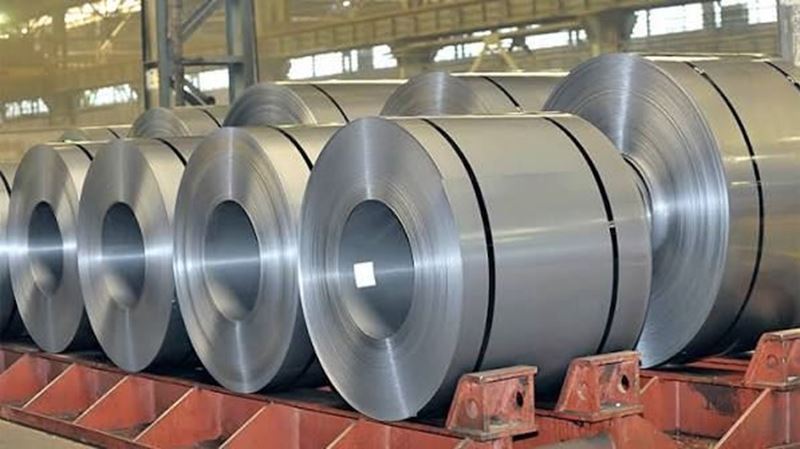
The revision is particularly relevant for the steel, iron, aluminium, cement, fertiliser, electricity and hydrogen sectors covered by CBAM.
Turkish companies exporting products from these sectors to the EU will be required to purchase CBAM certificates based on the embedded carbon emissions of their products.
The European Commission is also proposing sector-specific benchmarks instead of general criteria for CBAM-covered sectors during the 2026-2030 period.
Under the proposal, higher levels of free allocations would be maintained, while approximately €6 billion in additional support would be provided to the sectors concerned.
Draft has not yet entered into force
The revision draft announced by the European Commission has not yet entered into force. The proposal will be finalised following negotiations in the European Parliament and the Council of the EU.
The proposal indicates that the EU is taking steps to protect industrial competitiveness without abandoning its climate targets. As a result, the revision is particularly important for Turkish exporters that will face financial obligations under CBAM from 2027 onwards.
If adopted, a slower increase in carbon prices could help ease the cost pressures faced by Turkish companies operating in sectors such as steel, aluminium, cement and fertilisers in the EU market.
Source: Ekonomim





Comments
No comment yet.