


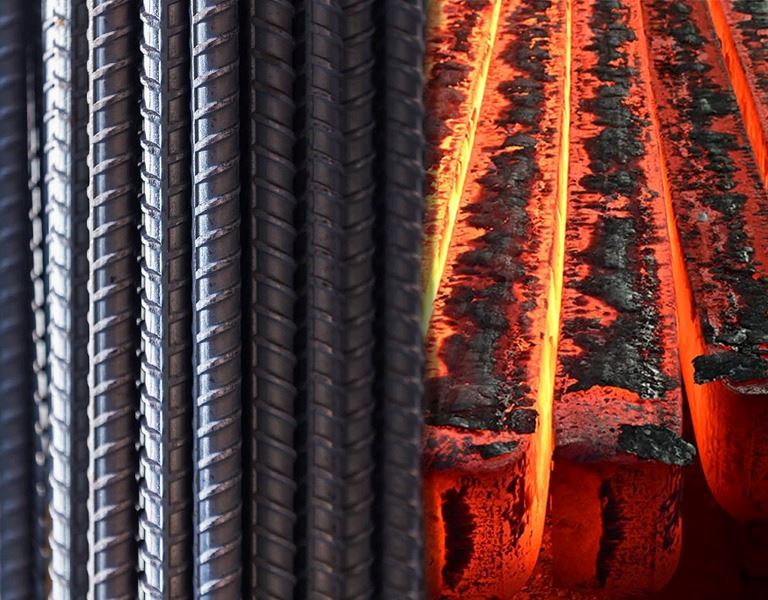
In the Turkish steel market, prices have been on a downward trend in the second half of October as demand for both domestic and imported products weakened. The declines in rebar and billet prices present a challenging outlook for both producers and traders.
In the second half of October, domestic rebar prices stabilized around $600/ton. However, the market remained cautious during this period due to limited trading activity and volatile exchange rates. Having replenished their stocks with their purchases in September and October, traders tried to keep trade brisk by releasing their existing products to the market during this period.
As we enter November, traders are expected to step up their restocking activities. This may mean that by 2024, local traders may restock for two consecutive months for the first time. This process may allow the stagnation caused by particularly weak demand to show signs of a short-term recovery.
On the export side, Türkiye's rebar offers are standing at $580/ton FOB. However, it is stated that these levels may be adjusted due to fluctuations in exchange rates. In particular, fluctuations in the euro and dollar exchange rates may affect the direction of prices both in the domestic and export markets.
The billet market is also under similar pressure due to weak demand. Last week, Turkish producers lowered their billet prices from $570/ton EXW to $560/ton EXW due to lack of demand. However, even this reduction was not enough to boost buyer interest. Falling long product prices and the downturn in the scrap market continue to limit demand for billet purchases.
The picture is similar for import billet. While CIS origin products were traded between $480-490/ton CFR, Iranian billet purchases were realized at $480/ton DAP. However, transactions in the import market were generally small, reflecting the general lack of demand. Products originating from Donbas and Russia are also offered to the Turkish market at similar price ranges.
The Turkish steel market is closely monitoring the potential impact of the news from China. Possible activity in the Chinese steel market could lead to some improvement in both prices and overall market stability in Türkiye. In the coming days, in addition to exchange rates, data from China will play an important role in determining the direction of the market.
The Turkish steel market is going through a challenging period due to weak demand and economic uncertainties. The expected restocking activities in November and possible activity from China may give the market some breathing space in the short term. However, a more permanent increase in demand and stabilization in market dynamics are required for a long-term recovery.




Comments
No comment yet.