


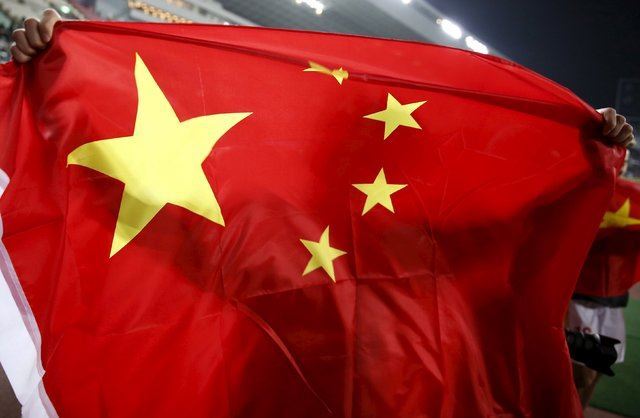
China's iron ore imports could reach 90 million tons in January, which will represent a 5% month-on-month increase thanks to stronger infrastructure investments, with Australia likely to become the biggest beneficiary, accounting for 60% of these imports.
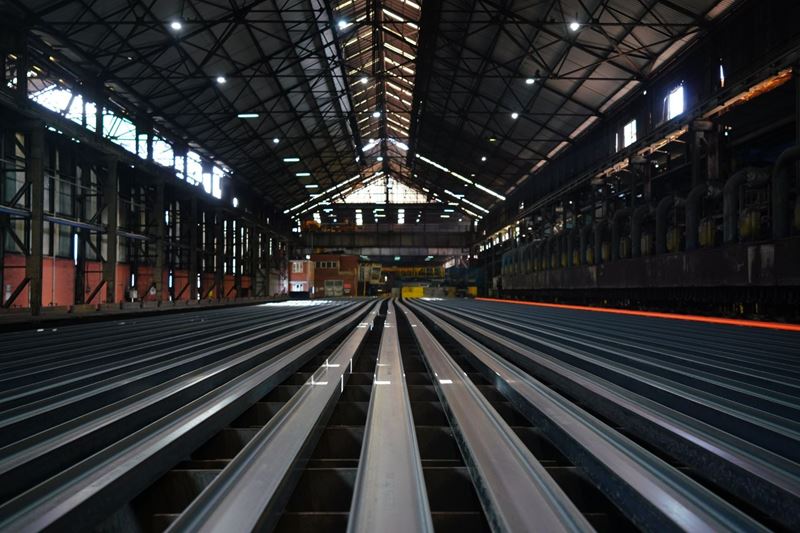
Domestic steel prices have gradually recovered over the past two months, with the main contract for rebar futures up nearly 10% amid plans to increase infrastructure spending. This reflects the increasing steel demand in China and points to more iron ore imports.
While commodity prices reached an overall low level at the end of the year, the iron ore market was abnormal - prices bottomed out and started a slow recovery from November.
Industry analysts said rising iron ore prices reflect an expected recovery in China's infrastructure investment this year, especially as local government bond funds have become a major source of financing for infrastructure investments.
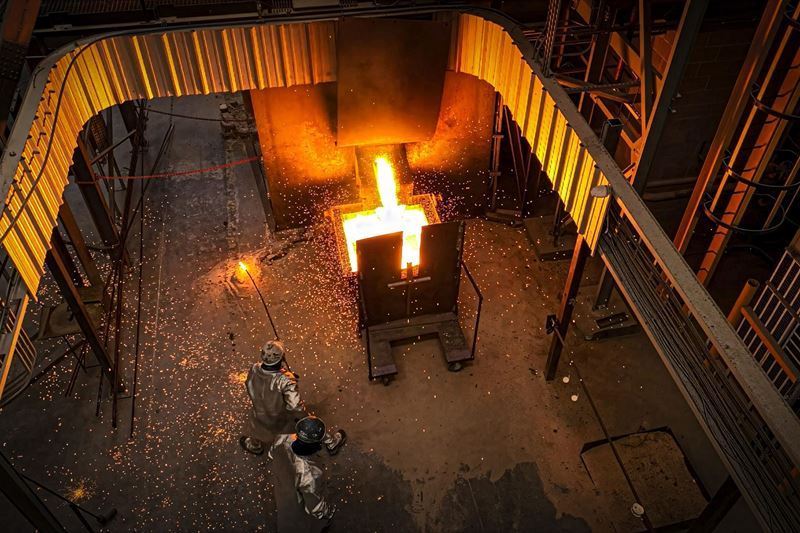
Wang Guoqing, research director at Beijing Lange Steel Information Research Center, told the Global Times, "The resumption of production at the steel mills has freed up demand for raw materials. With the completion of production reductions in many places since December 2021, the steel mills There has been a tendency to restart production." said.
Other overlapping factors, such as heavy rains in Brazil affecting Vale, one of the world's largest iron ore miners, and the possible pandemic in iron ore production in Western Australia, could also support iron ore prices, Wang said.




Comments
No comment yet.