


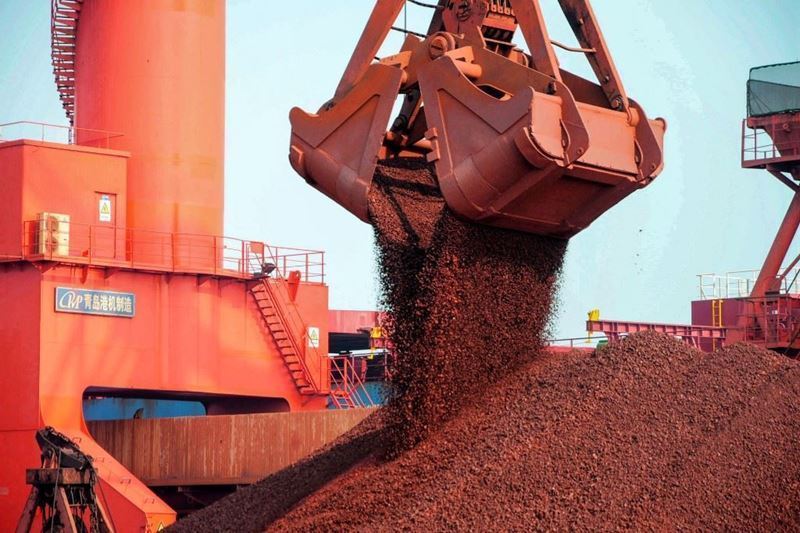
A significant portion of Australia's iron ore exports is not classified as high quality. Low iron content complicates the refining process makes and leads to higher energy consumption, which contradicts China's carbon neutrality goals.
Countries like Brazil and Guinea, which produce high-quality ore, are preferred suppliers to the steel industry. If Australia fails to adapt its production to this changing demand, it risks falling behind in the new green economy.
China is the largest importer of Australian iron, accounting for over 80% of Australia's iron ore exports. However, the Chinese government has instructed steel factories to reduce emissions, decreasing demand for low-quality Australian iron ore.
New customs duties on carbon-intensive steel imports into China and pressure for dual decarbonization exacerbate the challenges facing Australia's iron ore sector. The use of low-quality iron ore results in higher energy consumption and carbon emissions in traditional steel production processes.
This situation could hinder Australia's transition to a green economy and pose a barrier to technological transformation in the steel industry. China's transformation of its steel industry will have a decisive impact on Australia's iron ore exports and the future of the steel industry.



Comments
No comment yet.