


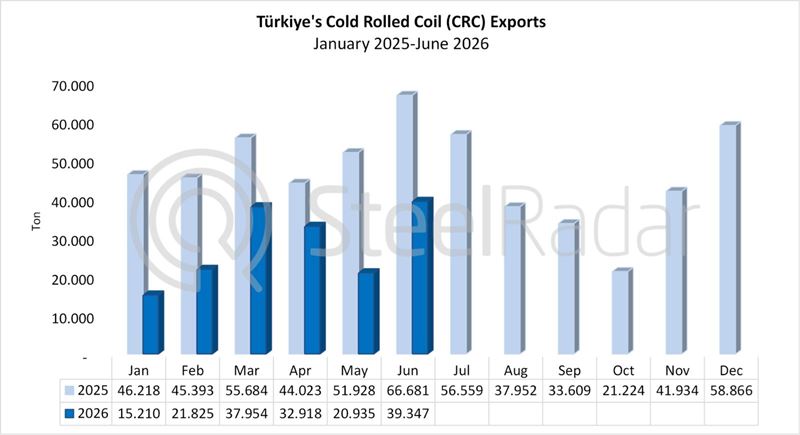
Hormuz disruption pushed production to its limits
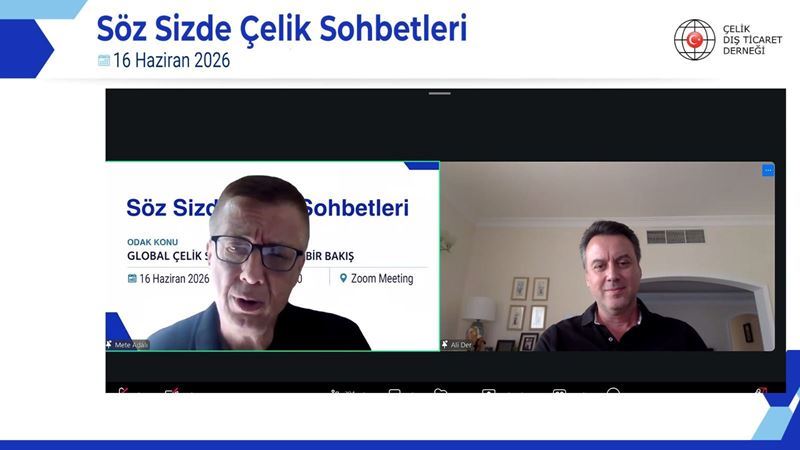
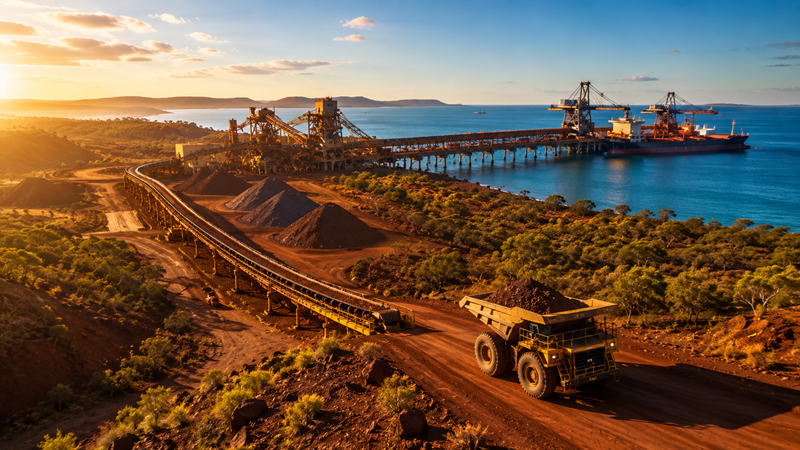
Speaking about the steel production structure of the Middle East, Universal Rolling WLL Operations Director Ali Der stated that regional production largely depends on direct reduced iron (DRI) and pellet supplies. Der explained that Bahrain Steel, one of the region’s largest pellet producers, entered a severe bottleneck as of May due to the interruption of raw material flows following the closure of the Strait of Hormuz. He noted that the plant has been operating intermittently and struggling to maintain production. Der emphasized that the disruption has also caused serious production setbacks at other major regional producers such as Qatar Steel and Hadid. He added that transporting these high-volume raw materials by road could not provide a viable alternative due to logistical constraints.
A new era of regionalization in global steel trade and Türkiye
During his speech, Ali Der argued that global steel trade is undergoing a structural transformation and becoming increasingly regionalized. He predicted that exports of finished steel products will become almost impossible in the future except for certain niche products. Der stated that, in the medium and long term, the Middle East and North Africa (MENA) region will gain a stronger position against China in the global market thanks to green steel investments and low-cost energy advantages. He also evaluated Türkiye’s position within this changing landscape.
The Operations Director stated that Türkiye continues to struggle with structural disadvantages such as high financing costs, expensive energy, and limited raw material resources. However, he emphasized that the country maintains significant advantages through its flexible trading culture and strong infrastructure. Der suggested that Turkish steel producers should either participate in green steel and DRI investments in the Middle East and North Africa or establish production facilities in these regions to secure semi-finished steel supplies in the future.
"Just in time" is over, the era of "just in case" has begun
Der stated that logistics crises have brought trade close to a standstill and that war-related risk premiums in the region have reached alarming levels, overshadowing freight costs. Emphasizing the need for producers to revise their strategies during this high-risk period, he argued that the long-established "just in time" supply model should be replaced by a "just in case" inventory strategy.
Ali Der stated that even if a diplomatic agreement is reached, it will take at least six months for traffic through the Strait of Hormuz to return to normal. He emphasized that maintaining semi-finished steel and raw material inventories well above normal levels has become critically important for producers.
Future investigations and expectations of a 10% correction
Drawing attention to the continued increase in protectionist measures across both the Middle East and Europe, Der revealed for the first time that new anti-dumping investigations are being prepared in the Middle East for various product groups, including billet, under the leadership of major regional producers such as Emirates Steel.
Responding to questions regarding the current situation in the Saudi Arabian market, the Universal Rolling Operations Director stated that price levels in the region have increased artificially due to production disruptions and limited access to raw materials caused by the closure of the Strait of Hormuz. However, he predicted that the reopening of the waterway would lead to a minimum 10% downward price correction in the market.
Concluding his remarks, Ali Der emphasized that the latest crisis has once again reminded investors of the fragility of the Middle East. He stated that even if political peace agreements are signed, the uncertainty and damage created in global steel trade will remain in market memory for a long time.



Comments
No comment yet.